Trace of the Villa — puzzles as evidence in a slow-burn mansion mystery
Trace of the Villa places you in Jin’s search for a missing sister, following manifests and fragments left behind in a remote, decaying mansion. Released on 28 May, 2026 and developed and published by Steadyturtle Co., Ltd., the game treats puzzles not as obstacles but as physical evidence that reconstructs what the house erased.

Quick facts
| Title | Trace of the Villa |
|---|---|
| Developer / Publisher | Steadyturtle Co., Ltd. |
| Release date | 28 May, 2026 |
| Genres | Action, Adventure, Indie |
| Key Steam categories | Single-player; Color Alternatives; Custom Volume Controls; Playable without Timed Input; Subtitle Options; Family Sharing |
| Steam page | View on Steam |
| Short premise | Jin finds manifests and hints in a deliberately forgotten mansion that suggest his sister may still be alive. |
Who is this for?
If you favor atmospheric mystery adventure and slow-burn suspense, Trace of the Villa is pitched at players who want narrative puzzles that function as clues. The Steam tags and categories suggest accessibility options (color alternatives, subtitles, custom volume) and a single-player, untimed experience — a fit for players who prefer measured exploration over twitch reflexes.
What the game actually is
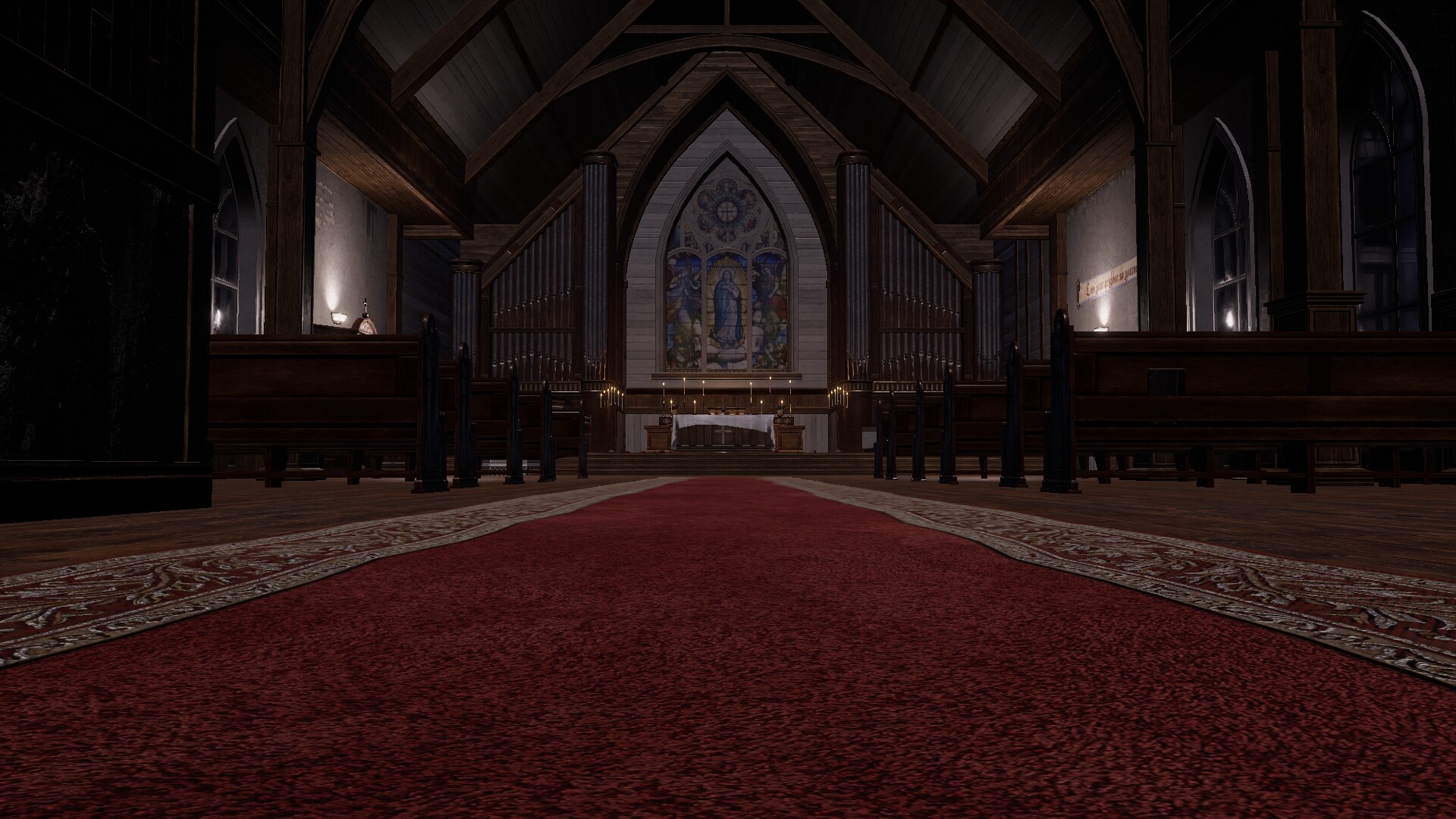
According to the official Steam description, you play as Jin, a man who follows a lead to an off-the-grid mansion where rooms appear intentionally erased of identity. Restoring power to the estate triggers secured systems, opens hidden compartments and safes, and reveals fragments of encrypted documents, suspicious transfer records and manifests. Puzzles are woven into the estate’s infrastructure — they are the clues you read to reconstruct a timeline of arrivals, departures and falsified identities.

When and where to play
Trace of the Villa is available on Steam with a release date of 28 May, 2026. The Steam listing emphasizes PC storefront context, standard accessibility options and single-player play.
Why the theme matters — puzzles as evidence
The editorial premise here is that puzzles can function as forensic tools in a narrative. In Trace of the Villa, puzzles are not abstract riddles detached from story beats; they are the house’s paperwork and systems made interactable. As you restore power and open locks, each solved puzzle supplies an evidentiary fragment — a manifest here, an encrypted fragment there — and those fragments constrain your narrative inferences. That narrative logic — reading objects as testimony — is a different design choice than puzzles that prioritize pattern recognition alone.
How you read clues and progress
Progression is driven by environmental forensics rather than timed skill tests. Official material describes restoring estate power to reactivate secured systems, unlocking hidden compartments and safes that yield fragments of documents and transfer records. Players must treat these recovered items as linked evidence: manifests suggest movement, encrypted fragments require context, and financial traces point to institutional concealment. The player’s job is to assemble those threads into a timeline — to treat puzzle outcomes like courtroom exhibits rather than mere keys to the next room.
Player scenarios — who should wishlist it (and who should not)
- Wishlist if you enjoy: slow-burn mansion mystery, environmental storytelling that rewards attention, puzzles embedded in systems and documents, untimed exploratory pacing.
- Consider skipping if you prefer: fast-paced action set pieces, multiplayer or co-op puzzles, or puzzle games centered on mechanical pattern-solving without narrative inference.
- Accessibility-minded players: the Steam listing notes subtitle options, color alternatives, custom volume controls and that the game is playable without timed input.
How Trace of the Villa compares to nearby puzzle-adventure titles
Below is a focused editorial comparison — genre, atmosphere, puzzle focus, exploration style, tone and player fit are the comparison criteria, not value judgments or sales claims.
| Title | Genre / Atmosphere | Puzzle focus | Exploration style | Player fit |
|---|---|---|---|---|
| Trace of the Villa | Action / Adventure / Indie — atmospheric, mansion mystery (Steadyturtle Co., Ltd.) | Clue-driven: manifests, safes, encrypted fragments, restored systems as evidence | Single-player, untimed, forensic environmental reading | Players who want narrative logic and puzzles-as-evidence |
| The Room | Adventure / Indie — contained, tactile puzzle atmosphere | Mechanical puzzle boxes and safes; tactile object puzzles | Room-based, focused vignette exploration | Players who like handcrafted, tactile puzzle boxes and tight, nonlinear puzzle objects |
| The Room Two | Adventure / Indie — expanded cryptic environments | Complex object puzzles embedded in larger set-pieces | Multi-location, puzzle-linked narrative corridors | Players who appreciate atmospheric object puzzles across varied scenes |
| Escape Simulator | Adventure / Casual / Indie — cooperative, highly interactive | Interactive escape-room puzzles; physics and object manipulation | Room-to-room with highly manipulable objects and community levels | Players who want hands-on object interaction and optional co-op |
| Unpacking | Casual / Indie — zen, domestic narrative | Block-fitting and contextual clue-reading about a life | Slow, domestic vignette exploration; story inferred from objects | Players who prefer quiet, domestic storytelling via objects rather than formal puzzles |
Leave a Reply