
Trace of the Villa — when puzzles act like evidence in a mansion mystery
Trace of the Villa asks players to read clues as if they were assembling a case: objects, manifests and encrypted fragments function as forensic pieces that reshape the story. The result is an atmospheric mystery adventure that leans on environmental storytelling and narrative puzzle design to pull you through a decaying mansion toward answers about Jin’s missing sister.

Quick facts
| Title | Trace of the Villa |
|---|---|
| Release date | 28 May, 2026 |
| Developer / Publisher | Steadyturtle Co., Ltd. |
| Steam appid | 3483660 |
| Genres | Action, Adventure, Indie |
| Categories | Single-player; Color Alternatives; Custom Volume Controls; Playable without Timed Input; Subtitle Options; Family Sharing |
| Short premise | Jin has spent years searching for his missing sister, pursuing leads that took him to a remote, decaying mansion where he recovered manifests and hints that indicate his sister may still be alive. |
Who is this for?
Trace of the Villa suits players who prefer puzzle-driven exploration that also acts as investigative work. If you enjoy slow-burn suspense, environmental storytelling, and reading objects as pieces of a larger timeline rather than just obstacle fodder, this is aimed at you. It’s for PC/Steam players who like atmospheric mystery adventure with a narrative core — players who value clues that change their interpretation of the house and the people associated with it.
What the game is
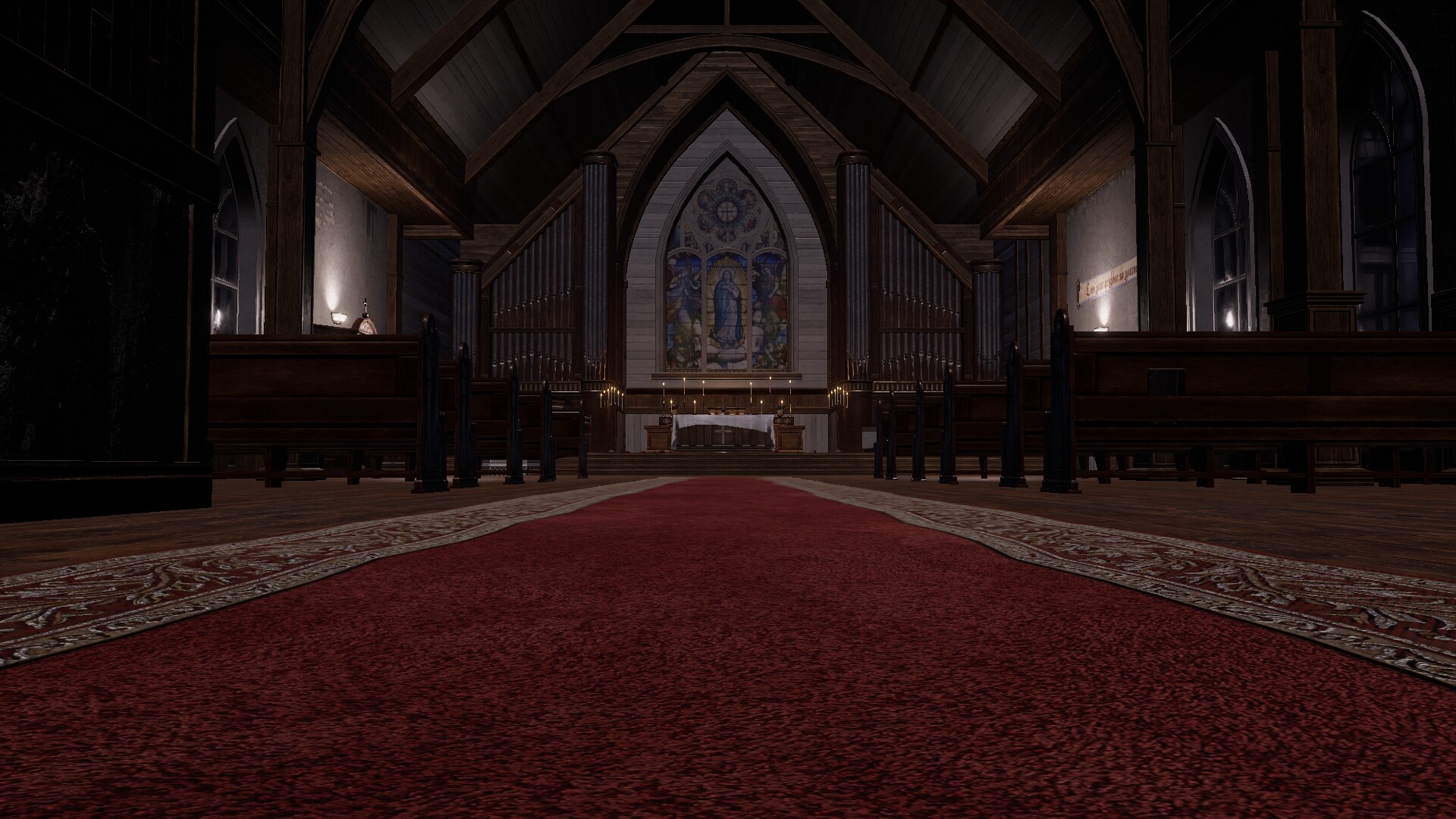
At its center is a narrative-puzzle loop: Jin explores a deliberately forgotten mansion, restores systems, opens hidden compartments and reads manifests and encrypted documents that incrementally reveal a disturbing operation. The puzzles double as evidence — solving one unlocks not only a mechanical result but new context about arrivals, departures and falsified identities. The official Steam listing positions it as Action / Adventure / Indie, with accessibility features listed among its categories.
When and where
Trace of the Villa is available on Steam; its release date is 28 May, 2026. The Steam page includes subtitle options and features that make the title playable without timed input and usable with color alternatives and custom volume controls.
Why the theme matters: puzzles as evidence and narrative logic
Many puzzle adventures treat artifacts as keys to doors. Trace of the Villa asks you to treat artifacts as testimony. Manifests, transfer records and encrypted fragments are not background set dressing — they’re the method by which Jin reconstructs what the house was used for. That narrative logic changes how puzzles are designed: a solution rarely reads as arbitrary. Instead, each solved puzzle extends the timeline or alters the list of plausible suspects, making the game feel less like a sequence of rooms and more like an unfolding case file.
How you progress — reading clues, object logic, and story puzzles
Progression relies on three interlocking puzzle modes:
- Clue reading — documents and manifests you find must be read as information, not just collectible flavor. They point to relationships and gaps in official records.
- Object logic — physical items behave like court exhibits: location, orientation and context matter. A personal belonging in one room can contradict a manifest found in a safe.
- Story puzzles — some puzzles unlock new narrative fragments (secured systems coming back online, safes yielding encrypted documents). The puzzle outcome shifts the house’s narrative framing.
The net effect is that the game rewards players who piece together patterns across documents and objects rather than those who brute-force mechanical solutions.

Player scenarios — who will enjoy it and why
- The clue reader: You like to collect documents and return to them as new evidence emerges. You’ll appreciate how manifests and encrypted fragments recontextualize earlier finds.
- The object-logician: You enjoy puzzles where the placement and provenance of items matter. The mansion’s layout and the position of belongings form an investigative web.
- The story-first player: You play for atmosphere and narrative payoff. The steady reveal of what the house was used for and who might have been involved will keep you moving.
- The puzzle-chaining player: You like when mechanical puzzles unlock more story, not just doors. Trace of the Villa uses solved puzzles to open forensic leads as much as physical gates.
How it compares to nearby puzzle-adventure experiences
| Title | Genre / Tone | Puzzle focus | Exploration style | Player fit |
|---|---|---|---|---|
| Trace of the Villa | Action / Adventure / Indie — mansion mystery, slow-burn suspense | Clues as evidence, object-context puzzles, encrypted documents | Room-to-room mansion exploration with systems to restore and hidden compartments | Players who want narrative logic tied to puzzle solutions |
| The Room | Adventure / Indie — tactile, single-object mysteries | Mechanical, tactile puzzles around a single contraption or safe | Focused, contained environments; puzzle-box progression | Players who enjoy tactile puzzle boxes and isolated puzzles |
| Escape Simulator | Adventure / Casual / Indie — interactive escape rooms | Highly interactive object manipulation; room-scale puzzles | Modular rooms and community-made scenarios; can be co-op | Players who like sandbox interaction, physics and cooperative solving |
| Unpacking | Casual / Indie — zen object-arrangement and environmental story | Object placement and context reveal life history; low-stress | Slow, scene-by-scene unpacking with narrative inferred from belongings | Players who prefer understated storytelling through objects and atmosphere |
In short: if you favor the narrative logic of evidence — puzzles that change your reading of documents and objects rather than only opening doors — Trace of the Villa sits between the tactile puzzle-box style of The Room and the object-driven storytelling of Unpacking, while offering a more investigative, story-led pace than the more physics-oriented Escape Simulator.
YouTube discovery
If you want trailers or gameplay clips, search for Trace of the Villa on YouTube: search Trace of the Villa trailers and gameplay. This link is a discovery path; individual videos should be checked for official status.
View Trace of the Villa on Steam
Disclaimer: referenced titles and trademarks belong to their respective owners; comparisons above are editorial discovery only.
Leave a Reply