
Trace of the Villa — how puzzles work as evidence in a mansion mystery
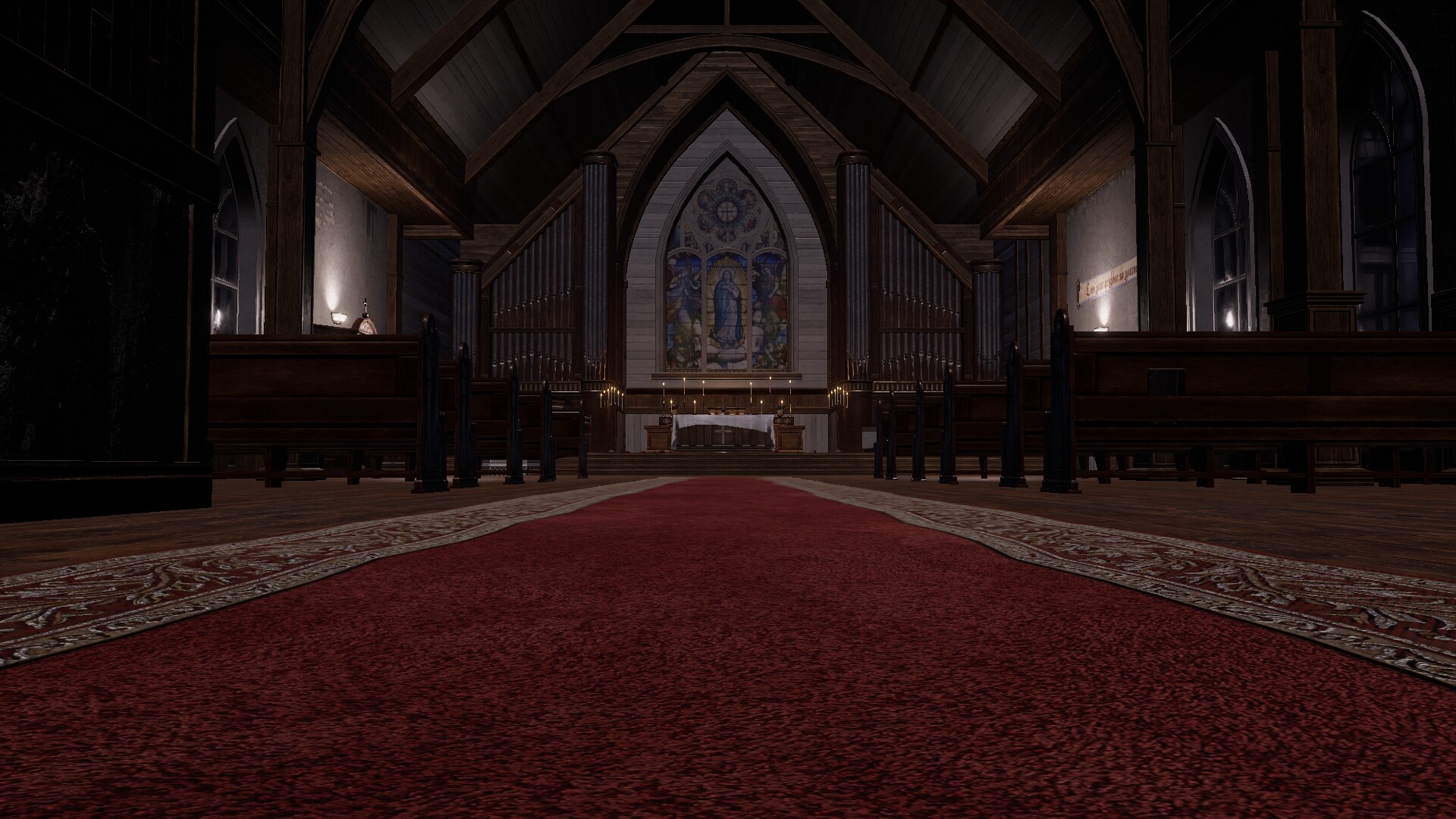
Trace of the Villa (Steadyturtle Co., Ltd.) dropped on Steam on 28 May, 2026, and sets a personal investigation inside a decaying, off-the-grid mansion where restoring power and opening locked systems gradually reveals fragments of a broader operation. The game frames puzzles as forensic objects — manifests, encrypted fragments, and locked safes — so reading clues and assembling logical connections becomes the principal storytelling engine.

Below I break down who should wishlist this one, what the Steam page confirms about tone and systems, where it sits among related puzzle-adventure experiences, and exactly how its clue-reading and object logic shape the player’s mental map of the story.
Who it’s for
If you enjoy slow-burn, story-rich adventure that treats each solved puzzle as a piece of evidence, Trace of the Villa is aimed at players who prize atmospheric mystery and methodical deduction over twitch reflexes. The Steam categories list it as Action, Adventure, Indie with Single-player and accessibility options such as Color Alternatives, Custom Volume Controls, Playable without Timed Input, and Subtitle Options — a sign it’s oriented to solo, thoughtful exploration rather than fast-paced combat or multiplayer.
What the game is — premise and puzzle framing
The official short description sets the stage: Jin has been searching for his missing sister for years and follows a lead to a remote, deliberately forgotten mansion where manifests and hints suggest she may still be alive. The longer Steam text explains that restoring power returns secured systems to life, hidden compartments unlock, and safes yield fragments of encrypted documents and suspicious transfer records. Puzzles function as instruments of revelation: solving them rearranges the house’s evidence so pieces of a concealed operation become visible.
When and where — Steam availability
Trace of the Villa is available on Steam with a release date of 28 May, 2026. The developer and publisher are listed as Steadyturtle Co., Ltd. — the Steam store page provides the official art and screenshots and lists the game’s categories and options for PC players.
Why this theme matters: puzzles as evidence and narrative logic
Not all puzzle games merely block access until the player inputs the right code. Trace of the Villa treats puzzles as evidentiary artifacts. A recovered manifest or a decryptable fragment doesn’t only open a door; it recontextualizes what you already know about the mansion’s occupants and timeline. When systems reactivate, it’s not just mechanical progress — it’s a narrative shift. Each unlocked safe or revealed transfer record supplies data that changes how later clues fit together, creating a sense that the player is conducting a kind of detective work inside an environment that has been deliberately scrubbed of names and photographs.
How you read clues and progress
Steam’s official description specifies concrete puzzle beats: restoring power, reactivating secured systems, unlocking hidden compartments, and opening safes that yield encrypted documents and manifests. That sequence implies a layered approach to clues:
- Environmental priming: rooms are set up as if abandoned mid-routine; the absence of names or photos is itself a puzzle clue.
- System reactivation: turning the estate back on exposes new interactive elements — secured systems and compartments become accessible in stages.
- Document assembly: fragments from safes and encrypted files are the raw evidence; the player must place them within a timeline and infer connections to transfers or falsified identities mentioned on the Steam page.
- Narrative inference: combining manifests, transfer records, and physical objects produces the story logic — arrivals without records and departures without witnesses emerge as patterns rather than single facts.
Because the narrative revolves around evidence, the player’s primary task is interpretation as well as manipulation. Expect puzzles that reward careful note-taking, attention to environmental detail, and patient linking of discrete clues into a coherent explanation.

Player scenarios — who should wishlist it
Concrete situations where Trace of the Villa will fit a player’s time and taste:
- You’re a mystery player who likes assembling timelines from paper evidence and encrypted fragments rather than following voiceover-heavy exposition.
- You prefer exploration that rewards patience: reactivating systems and returning to previously explored rooms will reveal new layers of information.
- You want accessibility options (Color Alternatives, Custom Volume Controls, Playable without Timed Input, Subtitles) because you read closely and value pace control.
- You dislike action-only puzzles and instead enjoy solving safes, decrypting documents, and using environmental logic to infer missing identities and financial traces.
How it compares — a compact editorial table
| Game | Puzzle emphasis | Atmosphere / tone | Exploration style | Best for |
|---|---|---|---|---|
| Trace of the Villa | Clue-driven, documents and locked systems as evidence | Mansion mystery; erased identities and quiet dread | Single-player, methodical room-by-room investigation | Players who want narrative inference from objects |
| The Room | Mechanical puzzle boxes and tactile contraptions | Intimate, uncanny artifact focus | Isolated puzzle locations with focused object interaction | Fans of ornate, tactile puzzles and puzzle-box design |
| The Room Two | Sequential puzzle chambers with escalating complexity | Cryptic and atmospheric, reminiscent of a long-forgotten crypt | Linear progression through distinct puzzle scenes | Players who like layered, handcrafted puzzle sequences |
| Escape Simulator | Highly interactive escape-room mechanics, physics objects | Playful to tense depending on room design | First-person rooms; designed for solo or co-op play | Those who enjoy interactable props and community-made rooms |
| Unpacking | Domestic, object-placement as storytelling | Quiet, reflective, life-story through belongings | Low-pressure, room-by-room item placement | Players who prefer slice-of-life narrative puzzles |
| hack_me | Hacking simulation, command and logic-based puzzles | Technical, simulation-focused | Interface-driven puzzles rather than environment exploration | Players who like simulated hacking and code puzzles |
Quick facts
| Title | Trace of the Villa |
|---|---|
| Steam AppID | 3483660 |
| Release date | 28 May, 202
Steam pageView Trace of the Villa on Steam YouTube discoveryFor trailer and gameplay discovery, use YouTube search rather than relying on unverified embeds: Find Trace of the Villa trailer and gameplay searches on YouTube. CommentsMore posts |
Leave a Reply