
Trace of the Villa — how clue reading, object logic and story puzzles shape a mansion mystery
Trace of the Villa (Steadyturtle Co., Ltd.) sets a slow-burn, atmospheric mystery around Jin’s search for a missing sister inside a remote, decaying mansion. Puzzles here act as pieces of evidence: restoring power, unlocking safes and decrypting manifests gradually convert environmental detail into a narrative you assemble by reading clues and reasoning about objects.

Quick facts
| Title | Trace of the Villa |
|---|---|
| Developer / Publisher | Steadyturtle Co., Ltd. |
| Steam AppID | 3483660 |
| Release date | 28 May, 2026 |
| Genres | Action, Adventure, Indie |
| Key categories | Single-player; Color Alternatives; Custom Volume Controls; Playable without Timed Input; Subtitle Options; Family Sharing |
| Official short description | Jin has spent years searching for his missing sister, pursuing leads that took him to a remote, decaying mansion where he recovered manifests and hints that indicate his sister may still be alive, somewhere at the end of the trail he is about to follow. |
Who should wishlist Trace of the Villa?
- Players who prefer atmospheric mystery adventure and psychological investigation over action-heavy pacing.
- Puzzle-first explorers who enjoy reading documents, piecing timelines together from objects, and treating each solved lock as an evidentiary clue.
- Fans of environmental storytelling and slow-burn suspense set inside a single, layered location—a mansion whose systems and secrets are gradually restored.
- Players who want accessibility options such as subtitle choices, color alternatives, and no timed input.
What the game is (and what the puzzles do)
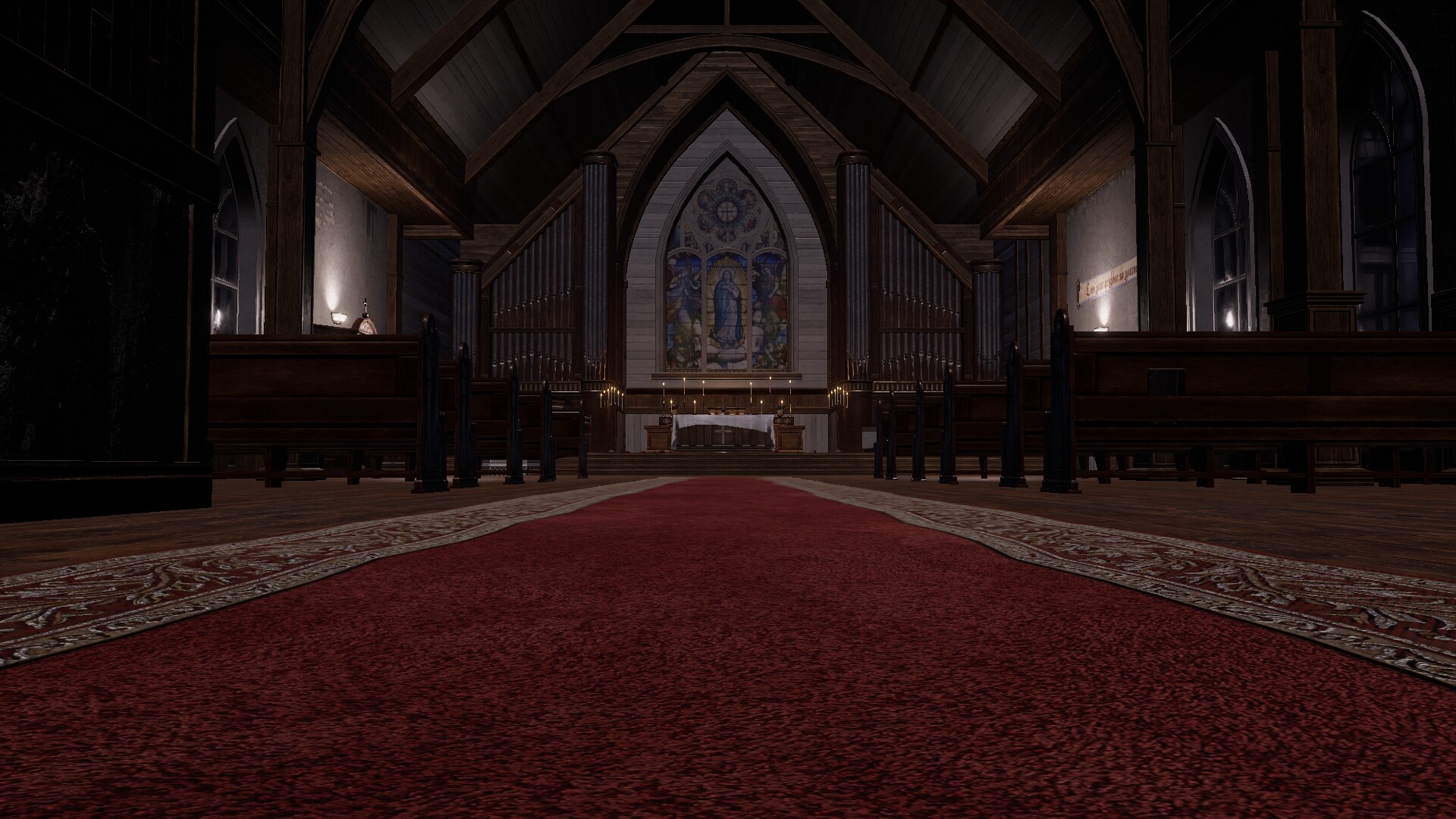
Trace of the Villa places Jin in a deliberately forgotten estate where rooms appear furnished but identities have been erased. According to the official description, when Jin restores power to the estate, secured systems come back online, hidden compartments unlock, and safes yield fragments of encrypted documents and suspicious transfer records. Those recovered items act less like isolated riddles and more like evidence: each solved puzzle reveals another layer of the operation that used the mansion and nudges the narrative forward.
When and where — Steam specifics
Trace of the Villa released on Steam on 28 May, 2026. The developer and publisher listed on Steam are Steadyturtle Co., Ltd. The store page groups the game under Action, Adventure and Indie and lists accessibility and UI options such as subtitle options, color alternatives and controls suited to non-timed puzzle play.
Why the theme matters: puzzles as evidence and narrative logic
Many puzzle-adventure games present riddles as isolated obstacles; Trace of the Villa uses puzzles as investigative tools. The official description emphasizes manifests, encrypted documents and suspicious transfer records—materials that read like casework. That framing changes how a player interprets object logic: a broken circuit is not just a mechanical puzzle to be fixed, it’s a data point that explains who was here and why. Narrative logic follows from how well you read evidence, not just from overcoming abstract challenges.
How you progress: reading clues, restoring systems, following trails
Progression in Trace of the Villa, per the Steam synopsis, hinges on restoring estate systems and uncovering secured items. Restoring power brings locked systems online; hidden compartments and safes reveal fragments of documents and transaction records; these fragments form the connective tissue of the story. The puzzles themselves are therefore twofold: you must solve object-based logic puzzles (how to open a safe, how to reroute power) and you must interpret recovered artifacts to decide where the trail leads next.
Player scenarios — who will enjoy which parts
- Slow-burn story fans: If you like methodical investigation—reading manifests, building timelines from fragments and savoring reveals—this will fit your pace.
- Evidence-minded puzzlers: If the idea of puzzles as data appeals to you (decrypt an entry, then infer a next location from a transfer record), you’ll find the design rewarding.
- Explorers of mood and setting: If atmospheric interiors, carefully staged rooms and environmental cues are why you buy mystery games, Trace of the Villa’s decaying mansion setup aligns with that taste.
- Players avoiding twitch challenges: Steam lists the game as playable without timed input and includes subtitle and accessibility options, which favors thoughtful rather than reflex-driven play.
How it compares to nearby puzzle/adventure experiences
Below is a focused, editorial comparison against a few puzzle-driven titles that often appear in player searches. This is a structural and tonal comparison—genre, atmosphere, puzzle focus and pacing—not a ranking.
| Title | Genre / Tone | Puzzle focus | Exploration & pacing |
|---|---|---|---|
| Trace of the Villa | Action / Adventure / Indie — mansion mystery, psychological investigation | Clue-driven: manifests, encrypted documents, safes; puzzles act as evidence | Single-location exploration with methodical, narrative-unfolding pacing |
| The Room | Adventure / Indie — tactile, box-based mystery | Mechanical and object puzzles centered on ornate safes and devices | Linear, puzzle-chamber pacing—intense focus on single-object interactions |
| The Room Two | Adventure / Indie — expanded, atmospheric puzzle rooms | Layered mechanical puzzles with a focus on discovery and device manipulation | Series-style progression between distinct puzzle environments |
| Unpacking | Casual / Indie — domestic, reflective | Non-traditional puzzle: spatial arrangement reveals life-story clues | Low-pressure, vignette pacing emphasizing quiet narrative through objects |
| Escape Simulator | Adventure / Simulation — interactive escape rooms | Highly interactive object puzzles, often physics-based and cooperative | Room-by-room challenges; variable pacing depending on room design and co-op |
Reader guidance: should you wishlist it?
Wishlist Trace of the Villa if you prioritize atmosphere, evidence-driven puzzle design and a single-location narrative that rewards careful reading and inference. If you prefer fast pacing, repeated combat or openly competitive multiplayer, this title’s focus on investigative puzzles and environmental storytelling may not match your primary play habits.
YouTube discovery
Looking for a trailer or gameplay footage? Use the YouTube search path below to find trailers and player videos; the result set may include developer trailers and independent captures, but not every video will be an official release:
Search Trace of the Villa trailer & gameplay on YouTube
Steam link
If you want to visit the Steam store page: Trace of the Villa on Steam
Disclaimer: referenced titles and trademarks belong to their respective owners. Comparisons above are editorial discovery only and do not imply endorsement or affiliation.