
Trace of the Villa — puzzles as evidence and narrative logic
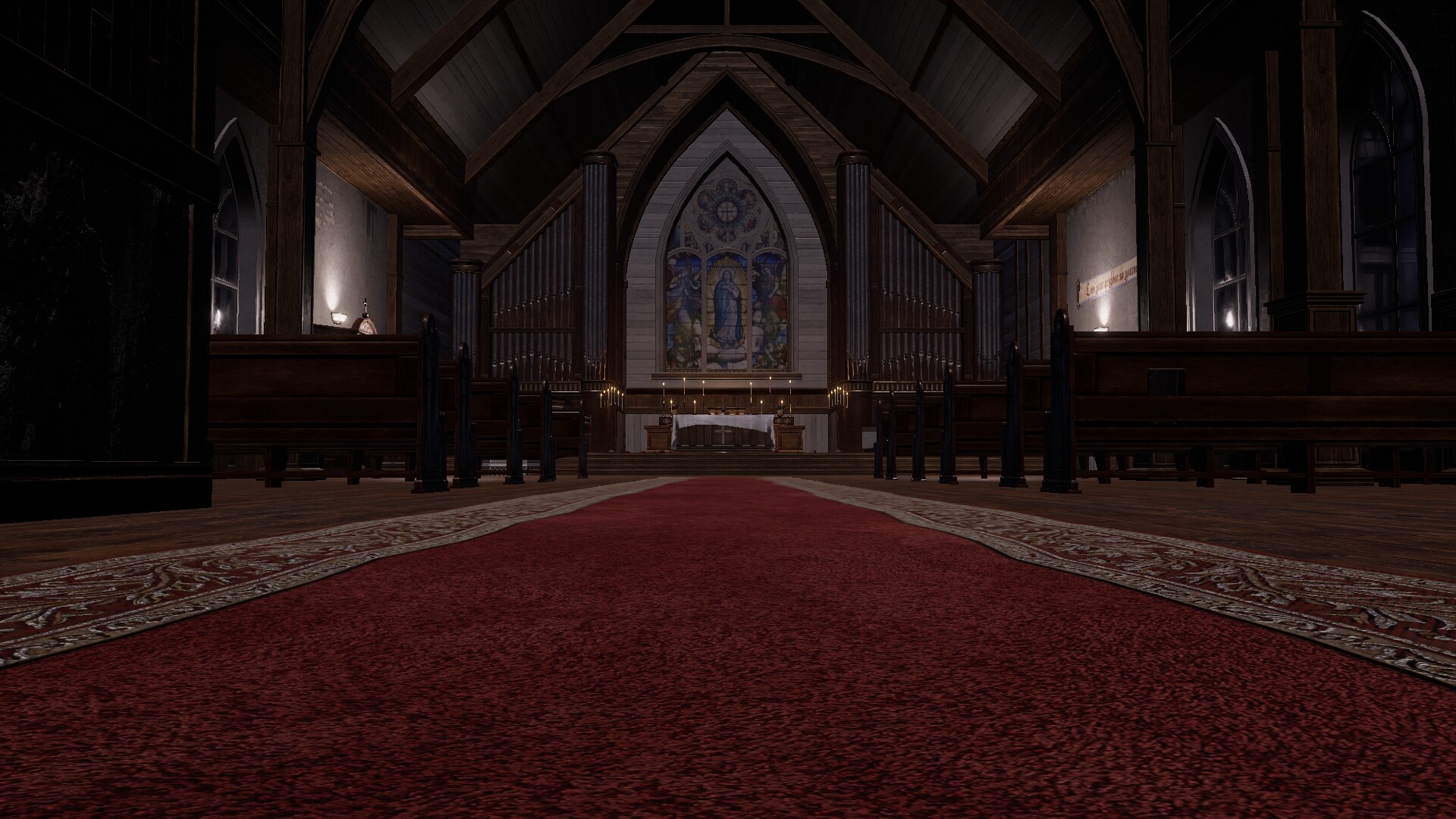
Trace of the Villa frames its mystery as a sequence of clues to be read like case files: Jin follows manifests and hints through a decaying mansion that slowly reveals whether his missing sister is still alive. The game leans into environmental storytelling and object-based puzzle logic, letting forensic-style discoveries drive both gameplay and the unfolding narrative.

Who it’s for
Players who prefer atmospheric mystery adventure on PC: those who enjoy slow-burn suspense, careful clue reading, and puzzles that function as forensic evidence rather than abstract brainteasers. If you value environmental storytelling, object logic that connects inventory and scene details, and narrative puzzles that piece together a larger operation, Trace of the Villa is aimed at you.
What the game is
Trace of the Villa is an atmospheric action-adventure indie from Steadyturtle Co., Ltd., released on Steam 28 May, 2026. Its premise centers on Jin, who has spent years searching for his missing sister; leads bring him to a remote, deliberately forgotten mansion where manifests and hints suggest she may still be alive. The Steam store lists its genres as Action, Adventure, Indie and categories that include Single-player, Color Alternatives, Custom Volume Controls, Playable without Timed Input, Subtitle Options, and Family Sharing.
When and where
Trace of the Villa launched on Steam on 28 May, 2026 and is available on the PC Steam store. The Steam page and store assets (screenshots and header) are the primary public-facing materials for the title.
Why the theme matters
The game’s core conceit — a house that seems “erased” rather than abandoned — turns puzzles into evidence. Rooms “frozen mid-routine,” missing names and photographs, and falsified records are not just atmospheric details; they are puzzle elements that point toward a hidden operation. That framing makes each resolved locked door, restored system, or decrypted document feel like a prosecutorial discovery: you are reconstructing what happened by assembling physical and documentary proof.
How you read clues and progress
Mechanically and narratively, Trace of the Villa privileges investigative logic. The official store text says that when Jin restores power, “secured systems come back online. Hidden compartments unlock. Safes yield fragments of encrypted documents and suspicious transfer records.” That sequence is instructive: puzzles open access to new layers of evidence. Expect object-based problem solving (manifests, safes, encrypted fragments) where each solved puzzle yields a fact or a lead that re-contextualizes previous discoveries. The game’s design encourages pattern recognition across items, room states, and recovered documents — reading objects the way a detective reads exhibits.

Compact facts
| Title | Trace of the Villa |
|---|---|
| Steam AppID | 3483660 |
| Release date | 28 May, 2026 |
| Developer / Publisher | Steadyturtle Co., Ltd. |
| Genres | Action, Adventure, Indie |
| Notable Steam categories | Single-player; Playable without Timed Input; Subtitle Options; Color Alternatives |
How it compares — quick reference
Below is an editorial comparison focused on genre, atmosphere, puzzle focus, exploration, and pacing. These comparisons are descriptive, not evaluative endorsements.
| Title | Genre | Atmosphere & puzzle focus | Exploration & pacing | Player fit |
|---|---|---|---|---|
| Trace of the Villa | Action / Adventure / Indie | Forensic, atmospheric mansion mystery; puzzles act as evidence (manifests, safes, encrypted fragments) | Investigative, layered — puzzles unlock systems and documents that open new areas | Players who like narrative-driven, clue-based exploration and slow-burn suspense |
| The Room | Adventure / Indie (release 28 Jul, 2014) | Mysterious, object-centric puzzle boxes and tactile contraptions; concentrated puzzle set-pieces | Focused, chapter-like puzzles with tight, single-room concentration | Players who prefer intricate mechanical puzzles and isolated, puzzle-box scenarios |
| Escape Simulator | Adventure / Casual / Indie (release 19 Oct, 2021) | Highly interactive escape-room experience; emphasis on fiddly, physical object interaction | Fast-moving, scene-to-scene puzzles; can be casual or cooperative | Players who want hands-on puzzle interaction, including multiplayer and workshop content |
| Unpacking | Casual / Indie / Simulation (release 1 Nov, 2021) | Zen, domestic storytelling via object placement; narrative emerges from possessions | Methodical, low-pressure, piece-by-piece worldbuilding through objects | Players who enjoy quiet, detail-focused narrative revealed through everyday items |
Specific player scenarios
- Detective-first players: You enjoy interpreting documents, financial oddities, and room states as primary clues. Trace of the Villa’s safes and encrypted fragments are designed for that mindset.
- Story-oriented puzzlers: You want puzzles that change what the story means. Solving a puzzle here not only opens a door but reframes who was in the house and why.
- Atmosphere seekers who prefer deliberation: If you favor slow-burn investigation over fast action, the mansion’s layered reveals and restored systems will reward patient reading of details.
YouTube discovery
If you want trailer or gameplay footage, search YouTube for Trace of the Villa (use this discovery path): search Trace
Leave a Reply