
Trace of the Villa — puzzles as evidence and narrative logic
Trace of the Villa casts you as Jin, a searcher who follows fractured leads into a remote, decaying mansion where manifests and hints suggest his missing sister may still be alive. The game stitches environmental forensics, object logic, and story-shaped puzzles into a slow-burn, atmospheric mystery crafted by Steadyturtle Co., Ltd.

Quick facts
| Title | Trace of the Villa |
|---|---|
| Release date | 28 May, 2026 |
| Developer / Publisher | Steadyturtle Co., Ltd. |
| Steam AppID | 3483660 |
| Genres | Action, Adventure, Indie |
| Categories | Single-player; Color Alternatives; Custom Volume Controls; Playable without Timed Input; Subtitle Options; Family Sharing |
| Short premise | “Jin has spent years searching for his missing sister… a remote, decaying mansion where he recovered manifests and hints that indicate his sister may still be alive.” (official short description) |
Who this is for
If you prefer puzzle adventures that treat clues like evidence — items, logs, and environmental inconsistencies that you must interpret rather than merely match to a code — Trace of the Villa is aimed at you. The game suits players who favor atmospheric mystery adventure and narrative puzzle design over action-oriented spectacle. It also fits people who like exploration paced around discovery and deduction, with accessibility options such as subtitle controls and play without timed input.
What the game is (and how it frames puzzles)
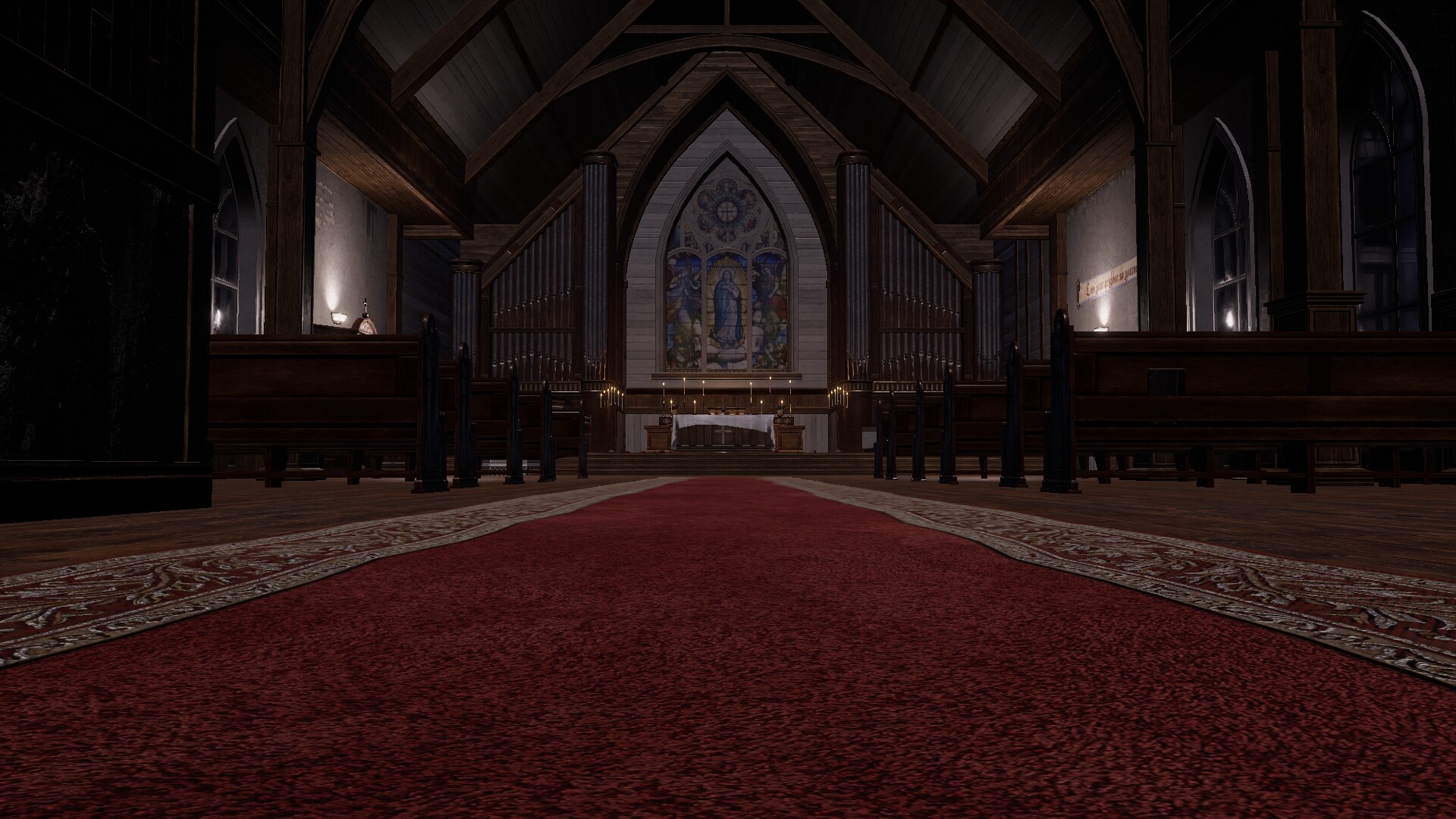
Trace of the Villa places you in a deliberately “erased” mansion where rooms feel frozen mid-routine and ownership records are missing. According to the official description, restoring power and probing secured systems is how the house begins to reveal itself: hidden compartments open, safes yield fragments of encrypted documents, and manifests point toward carefully concealed operations. Puzzles function as evidence — finding an object or decrypting a ledger is not just a gate; it reconfigures the narrative timeline and suggests new hypotheses about who used the mansion and why.
When and where
Trace of the Villa released on Steam on 28 May, 2026. It’s available as a PC Steam title under AppID 3483660 and listed with categories and accessibility features that favor single-player, slower-paced puzzle exploration.
Why the theme matters: puzzles as narrative proof
Many narrative adventures use puzzles to slow the player down; Trace of the Villa aims for a tighter integration where each solved puzzle operates like a piece of casework. The game emphasizes traces — manifests, transfer records, encrypted fragments — so the player is constantly building (and revising) an evidentiary chain. That approach turns environmental storytelling into a form of argument: your inferences change the context of later discoveries, and the puzzle design encourages reading space and objects for motive, timeline, and intent.
How you read clues and progress
Progression is investigative. The official description highlights systems coming back online and safes yielding encrypted fragments — mechanics that suggest layered problem-solving: locate an item, restore a subsystem (power, locks), use extracted data to reinterpret a room, then follow a new lead. Object logic is central: belongings aren’t decorative, they are tentative statements about what once occurred here. Story puzzles bind that object logic to the timeline — a ledger entry, a manifest, or a secure transfer record can pivot your interpretation of who passed through the mansion and why.

Specific player scenarios
- The methodical detective: You like cataloguing evidence and tracing financial or paper trails. The manifest-and-ledger focus will reward careful note-taking and hypothesis-testing.
- The atmospheric explorer: You value tone and environmental hints; rooms frozen mid-activity and subtle set dressing are primary conveyors of story.
- The object-logic puzzler: You enjoy puzzles that pivot on using found items in logical, story-driven ways rather than random inventory mashups.
- The accessibility-minded player: Appreciate the ability to play without timed input and tweak subtitles and volume to focus on reading clues at your own speed.
Comparison: how Trace of the Villa fits with nearby puzzle-adventure titles
Below is a practical editorial comparison on design focus — not claims of superiority — so you can decide fit by puzzle style, exploration, and tone.
| Title | Genre / Core feel | Puzzle focus | Exploration style | Story tone / pacing | Best for |
|---|---|---|---|---|---|
| Trace of the Villa | Action / Adventure / Indie | Clue-driven evidence, object logic, encrypted documents, manifests | Single-player, slow-burn mansion exploration | Atmospheric, investigative, deliberate pacing | Players who read objects as clues and build timelines |
| The Room | Adventure / Indie | Mechanical, tactile puzzles (safes, boxes) with a central safe motif | Focused, sequence-based rooms | Mysterious, intimate, puzzle-led urgency | Those who like handcrafted mechanical puzzles in closed spaces |
| The Room Two | Adventure / Indie | Expanded mechanical puzzles across varied environments | Sequential chapters with curated puzzle tableaux | Cryptic, atmospheric, steadily unfolding | Players who want puzzle escalation across distinct set pieces |
| Escape Simulator | Adventure / Casual / Indie | Highly interactive escape-room mechanics, physics interactions | Room-to-room, object interaction, supports co-op | Varied tone (depends on room), faster puzzle loops | Players who want hands-on interactions and co-op puzzling |
| Unpacking | Casual / Indie / Simulation | Environmental, domestic-object puzzle; storytelling by placement | Low-pressure, room-by-room placement |
Leave a Reply