Trace of the Villa — how clue reading and object logic drive a mansion mystery
Trace of the Villa is an atmospheric mystery adventure that places investigation and puzzle-solving at the center of its story: Jin, a man searching for his missing sister, follows leads to a remote, decaying mansion and uncovers manifests and hints that suggest she may still be alive. Released on 28 May, 2026, the game is developed and published by Steadyturtle Co., Ltd. on Steam for PC.

Who, what, when, where, why, and how
Who it’s for
This is aimed at players who prefer slow-burn suspense and story-rich adventure on PC: those who enjoy environmental storytelling, careful clue reading, and puzzles that behave like pieces of evidence rather than abstract riddles. If you like puzzle adventure games that reward observation and logical assembly of disparate details, Trace of the Villa is aimed at you.
What the game is
Trace of the Villa is an Action/Adventure/Indie title on Steam that presents a mansion mystery through manifests, encrypted fragments, locked rooms and household traces. The official short description reads: “Jin has spent years searching for his missing sister, pursuing leads that took him to a remote, decaying mansion where he recovered manifests and hints that indicate his sister may still be alive, somewhere at the end of the trail he is about to follow.”
When and where
Trace of the Villa released on 28 May, 2026 and is available on Steam for PC. The Steam page lists it under Action, Adventure, Indie and includes categories such as Single-player, Color Alternatives, Custom Volume Controls, Playable without Timed Input, Subtitle Options, and Family Sharing.
Why the theme matters
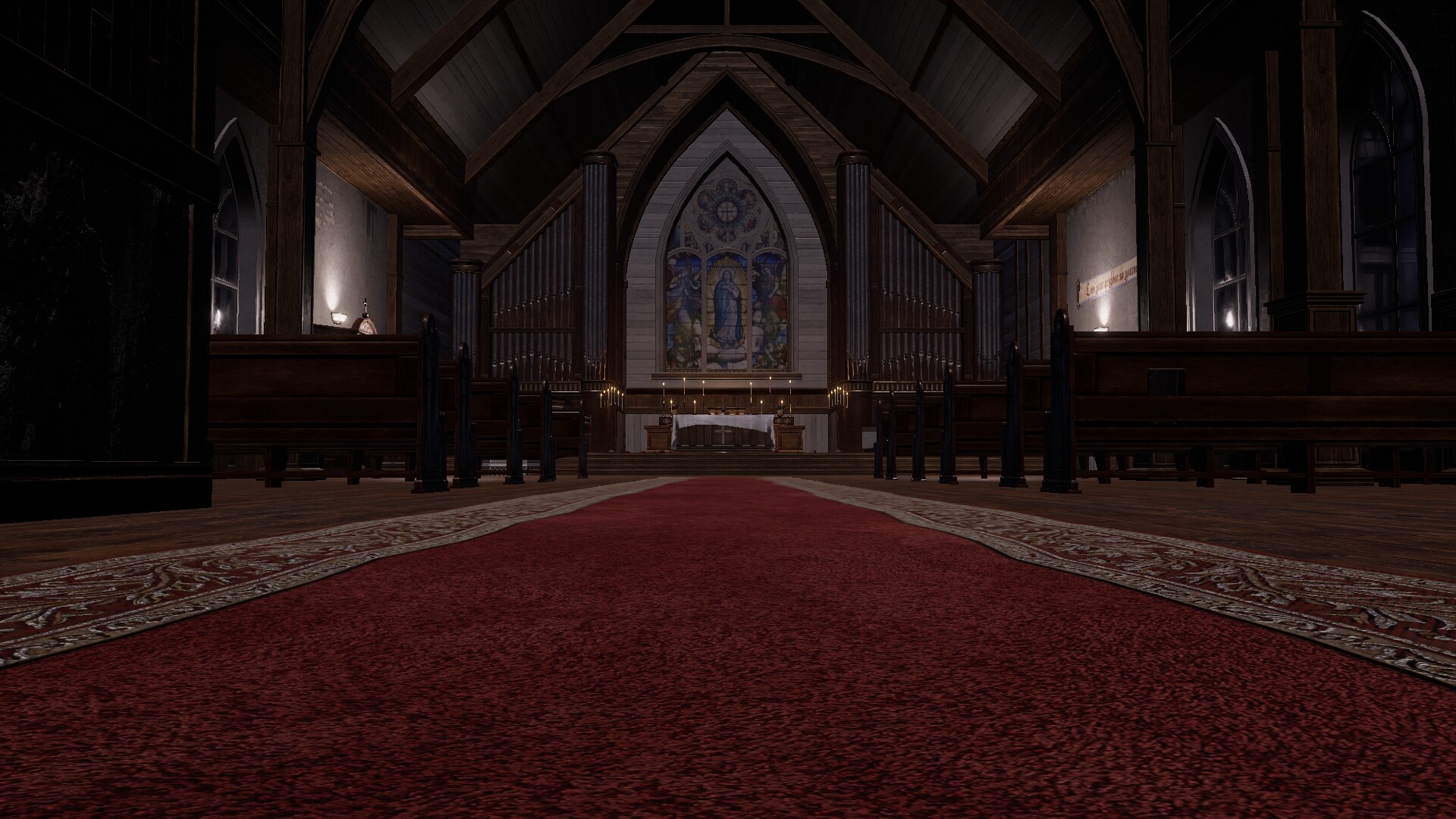
The mansion setting and the premise of missing identities create a puzzle-evidence dynamic: every object you find can be treated like a document in a case file. The game frames environmental clues (furnishings “left mid-routine,” locked doors, falsified records) as narrative proof—so puzzles are not only obstacles but the means of decoding the story’s truth about who passed through the house and why identities were erased.
How you progress — reading clues and object logic
Progress depends on interpreting tangible evidence: manifests, transfer records, safes and secured systems. Restoring power or unlocking a device yields documents and fragments that chain together into a timeline. The design treats puzzles as corroborating data points—solutions don’t feel gratuitous because each solved lock or reconstructed file directly alters the narrative map and opens new investigative leads.

Quick facts
| Title | Trace of the Villa |
|---|---|
| Developer / Publisher | Steadyturtle Co., Ltd. |
| Release date | 28 May, 2026 |
| Genres | Action, Adventure, Indie |
| Key Steam categories | Single-player; Color Alternatives; Custom Volume Controls; Playable without Timed Input; Subtitle Options; Family Sharing |
| Official short description | Jin has spent years searching for his missing sister, pursuing leads that took him to a remote, decaying mansion where he recovered manifests and hints that indicate his sister may still be alive, somewhere at the end of the trail he is about to follow. |
| Steam page | Trace of the Villa on Steam |
Player scenarios — who should wishlist this
- Case-builder players: You enjoy assembling timelines from scattered records and treating each solved puzzle as a piece of evidence.
- Atmosphere-first explorers: You prefer slow reveals, rooms that feel like preserved scenes, and audio/visual cues that hint at backstory over loud set-pieces.
- Logical puzzle fans: You like object-based puzzles grounded in inventory and environmental logic rather than purely abstract codes.
- Story-driven detectives: You value narrative payoff tied to investigation—learning what the house was used for and who vanished matters as much as puzzle completion.
How Trace of the Villa differs from nearby puzzle-adventure titles
Below is a concise editorial comparison focused on puzzle focus, exploration style, story tone and ideal player fit — not a ranking. These comparisons are intended to help you decide whether Trace of the Villa fits your tastes.
| Title | Puzzle focus | Exploration style | Story tone | Player fit |
|---|---|---|---|---|
| Trace of the Villa | Object-based, evidence-like puzzles; manifests, safes, secured systems | Single-player, mansion exploration; environmental cues as narrative proof | Mysterious, investigative, slowly revealing concealed operations | Players who want detective-style assembly of clues and story-driven puzzle payoff |
| The Room | Mechanical, tactile puzzles centered on ornate devices | Contained-chamber progression; focused set-piece puzzles | Mysterious, curiosity-driven—puzzles are central spectacle | Fans of tactile puzzle boxes and tightly designed single-chamber challenges |
| Escape Simulator | Highly interactive escape-room puzzles; physics and object manipulation | Room-by-room escape scenarios; supports community-made rooms and co-op | Light to medium tone; puzzle variety and social play | Players who like hands-on object interaction and co-op puzzle sessions |
| Unpacking | Spatial, domestic-object puzzle (placement as story device) | Non-linear room arrangement; mood and memory told through items | Quiet, reflective, slice-of-life storytelling via belongings | Those who prefer subtle, vignette-driven storytelling using objects |
Practical notes on pacing and accessibility
The Steam categories indicate Trace of the Villa includes Subtitle Options, Color Alternatives and Custom Volume Controls, and is Playable without Timed Input—small but meaningful accessibility touches for players who want to focus on reading and reasoning at their own pace. The design emphasis on evidence-like clues suggests a deliberate, investigative rhythm rather than twitch action.
YouTube discovery
For trailers or gameplay clips, search YouTube with this query path (search results may include developer uploads or third-party coverage): Trace of the Villa trailer & gameplay on YouTube.
Comparison caveat and legal note
Referenced titles and trademarks belong to their respective owners; comparisons above are editorial discovery only and do not imply endorsement, official connection, sponsorship, or superiority claims.
Leave a Reply