Trace of the Villa — puzzles as evidence and the logic of a disappearing household
Trace of the Villa is a slow-burn, story-rich mystery from Steadyturtle Co., Ltd. that puts investigative puzzle design at the center of its atmosphere: you play Jin, a man following fragile leads into a decaying, off-grid mansion where recovered manifests and encrypted fragments imply his missing sister may still be alive. Released on 28 May, 2026 on Steam, the game frames most puzzles as pieces of evidence — items, systems and documents that reconstruct what happened inside a house that seems to have been deliberately erased.

Quick facts
| Title | Trace of the Villa |
|---|---|
| Developer / Publisher | Steadyturtle Co., Ltd. |
| Release date | 28 May, 2026 |
| Steam appid | 3483660 |
| Genres | Action, Adventure, Indie |
| Key categories | Single-player; Color Alternatives; Custom Volume Controls; Playable without Timed Input; Subtitle Options; Family Sharing |
| Official short premise | Jin has spent years searching for his missing sister, pursuing leads that took him to a remote, decaying mansion where he recovered manifests and hints that indicate his sister may still be alive, somewhere at the end of the trail he is about to follow. |
Who this is for
If you prefer atmospheric mystery adventure and environmental storytelling to twitch reflexes, Trace of the Villa is pitched at players who want puzzles that serve narrative discovery. It’s for those who appreciate:
– evidence-based puzzles (reading manifests, decrypting documents and restoring systems),
– methodical exploration of a single, layered location (a mansion that reveals more when power and systems are restored),
– a story tone that leans toward psychological investigation and slow-burn suspense rather than overt action set pieces.
What the game actually is
According to the Steam page, you control Jin as he investigates a deserted mansion cut off from the grid. Early discoveries include manifests and hints that suggest Jin’s sister could still be alive; later progress comes from restoring the estate’s power and unlocking secured systems. The description explicitly reports that hidden compartments, safes and fragments of encrypted documents emerge as you solve puzzles, and those fragments point to falsified identities, suspicious transfer records and arrivals or departures that leave no straightforward trail. The design treats puzzles as evidence — each solved lock or decrypted file supplies narrative logic for the next question.
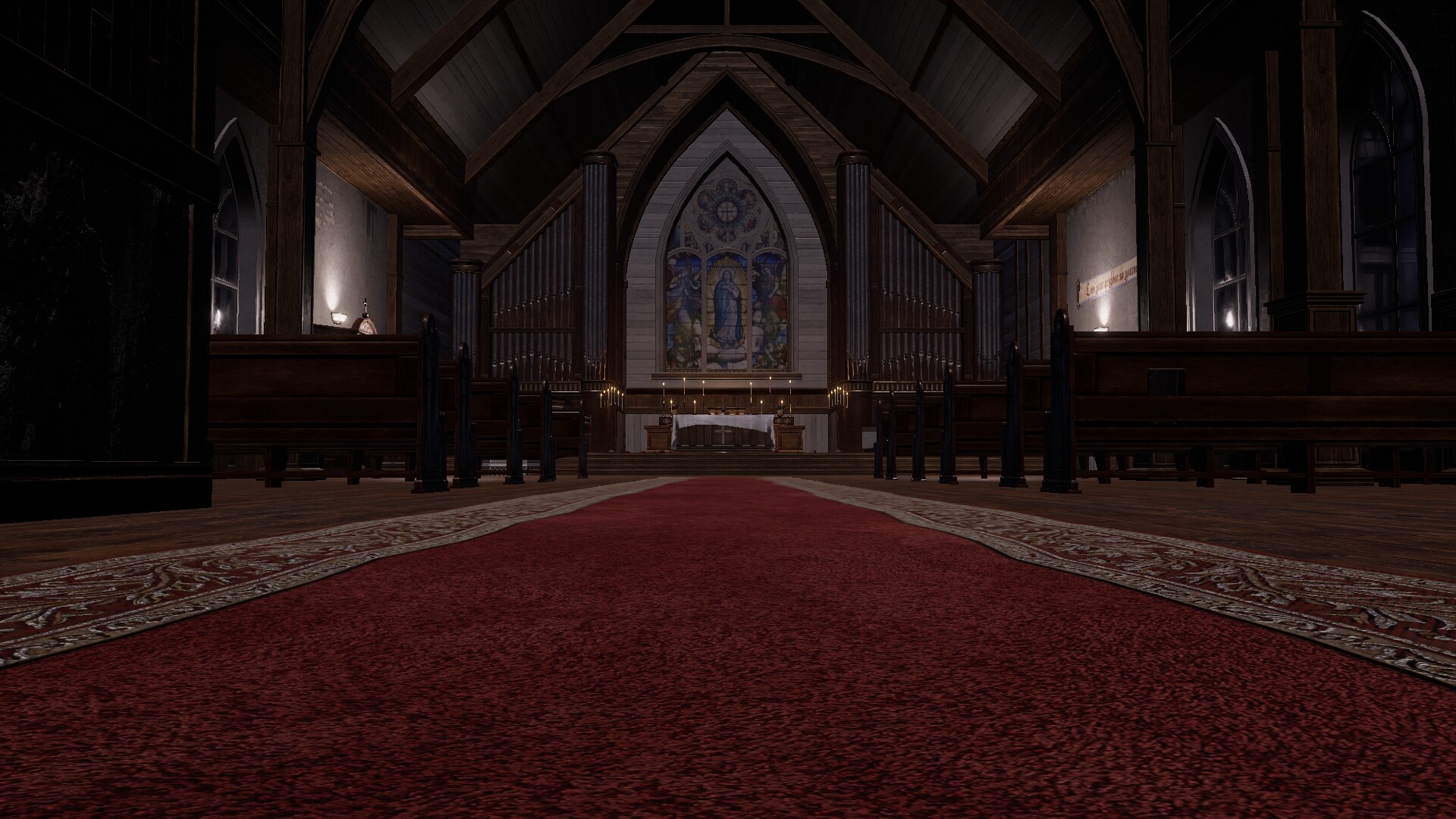

When and where — Steam details
Trace of the Villa launched on Steam on 28 May, 2026. It’s presented on the Steam store as a PC title (genres: Action, Adventure, Indie) with single-player and several accessibility and quality-of-life categories, including Color Alternatives, Custom Volume Controls, Playable without Timed Input, Subtitle Options and Family Sharing.
Why the theme — puzzles as evidence — matters
Many puzzle adventures use cryptic riddles or abstract mechanical logic. Trace of the Villa foregrounds evidentiary reading: manifests, transfer records and encrypted fragments are not just keys to the next door — they are narrative clues that revise your understanding of who used the house and why. That matters because it changes what a “solve” feels like: completing a puzzle is also corroborating (or refuting) a theory about past events. The result is an investigative rhythm where object logic and story logic are co-dependent — you can’t finish the mechanical puzzle without reshaping the timeline in your head.
How you progress: reading clues, object logic and narrative puzzles
The Steam description lays out the core loop: search rooms, restore power to reactivate systems, open safes and compartments, then read the recovered manifests and encrypted fragments. Mechanics and storytelling feed each other:
– objects and systems provide pragmatic gates (locks, safes, disabled electronics),
– documents and manifests supply associative logic (names, dates, transfers) that point to other rooms or items,
– decrypting and correlating evidence advances both gameplay and the timeline of the mystery.
Because the game explicitly lists “Playable without Timed Input,” the experience skews toward careful examination rather than pressured speed-solving — useful for players who want to treat puzzles like forensic evidence rather than timed challenges.
Player scenarios — who will enjoy it and when to wishlist
- You’re a methodical investigator: If you like piecing together a timeline from fragments — cross-referencing manifests, encrypted notes and physical clues — wishlist this.
- You value atmosphere and slow-burn tension: If you prefer dwell-time in a single location where objects keep revealing new context as systems come online, this fits your pacing.
- You need accessible pacing: The presence of subtitle options, color alternatives and “playable without timed input” makes it good for players who want fewer reflex demands and more reading time.
- You want a story-forward puzzle loop: If puzzles that double as narrative evidence are your thing — where solving is about confirming patterns as much as unlocking doors — Trace of the Villa is targeted at you.
How it compares — editorial discovery
Below is a concise editorial comparison with nearby puzzle/adventure titles. The criteria are limited to genre, atmosphere, puzzle focus, exploration style and player fit.
| Title | Primary puzzle focus | Exploration style | Story tone / pacing | Best for |
|---|---|---|---|---|
| The Room | Mechanical, tactile puzzle boxes | Single-room/sequence, tightly focused | Claustrophobic, curiosity-driven; deliberate pacing | Players who want handcrafted puzzle objects and tactile solutions |
| Escape Simulator | Highly interactive escape-room mechanics | Multiple rooms, object interaction and physics | Fast to moderate pacing; puzzle variety | Players who enjoy interactive manipulation and co-op options |
| Unpacking | Item-placement as narrative clue | Domestic, slice-of-life environments | Zen, reflective pacing; life-story through objects | Players who prefer low-stress, narrative-focused object puzzles |
| Trace of the Villa |
Leave a Reply