
Trace of the Villa: puzzles as evidence and the logic of a disappearing house
Trace of the Villa is a slow-burn mansion mystery that turns forensic puzzle design into narrative proof — you read rooms the way an investigator reads a case file. Released on 28 May, 2026 by Steadyturtle Co., Ltd., the game asks players to treat objects, manifests and encrypted fragments as the primary evidence that constructs the story.

Who should wishlist this on Steam?
Players who prefer atmospheric mystery adventure and detective-minded exploration over action-heavy spectacle will find the premise appealing. If you like environmental storytelling that unfolds through documents, safes, restored power systems and layered clues — and you enjoy methodical puzzle-solving that reads like evidence — Trace of the Villa is aimed at you. The Steam page lists the game as Action, Adventure, Indie and tags it for single-player play with accessibility features such as Color Alternatives, Custom Volume Controls, Playable without Timed Input and Subtitle Options.
What the game is
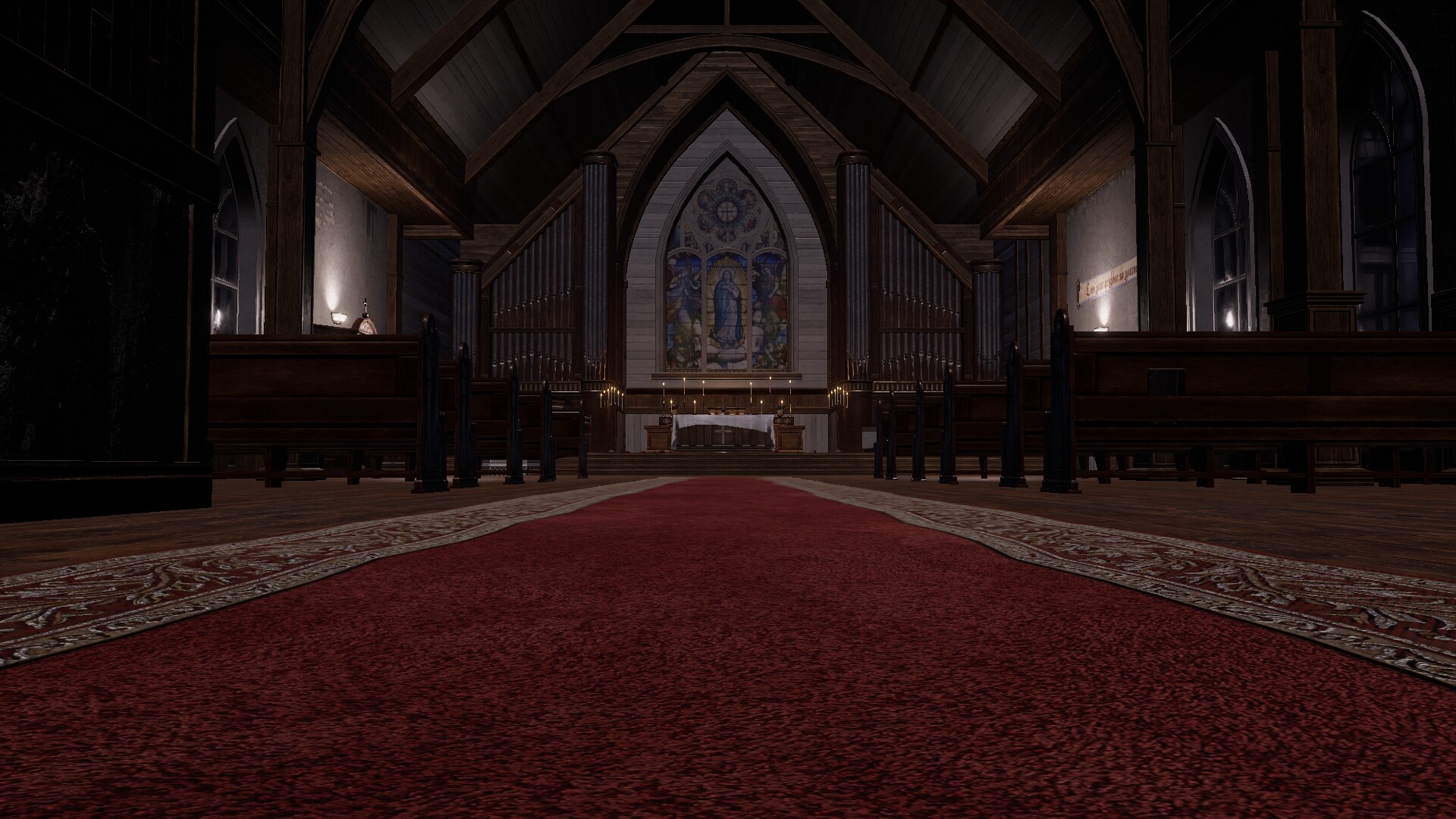
Officially: “Jin has spent years searching for his missing sister, pursuing leads that took him to a remote, decaying mansion where he recovered manifests and hints that indicate his sister may still be alive, somewhere at the end of the trail he is about to follow.” The plain description on Steam describes a property that feels “less abandoned than erased,” where restoring power and unlocking secured systems reveal encrypted documents, suspicious transfer records and fragments of a timeline. Puzzles in Trace of the Villa are framed as investigative steps — open a safe, restore a circuit, decrypt a manifest — and each solved object yields further narrative evidence.
When and where to find it
Trace of the Villa launched on Steam on 28 May, 2026. The developer and publisher are both Steadyturtle Co., Ltd. You can view the Steam store page here: Trace of the Villa on Steam.
Why the theme matters: puzzles as evidence
What makes Trace of the Villa worth watching is its editorial decision to make puzzles function as evidentiary units rather than abstract obstacles. The narrative conceit — a mansion where identities are erased and records are falsified — turns every object into a potential lead. That changes the player’s reading of the environment: a ledger, a safebox, a power panel are not only mechanical puzzles but also clues that narrow hypotheses about what happened and who might still be alive. That design choice aligns puzzle success with narrative progress, so solutions reshape your understanding of the plot rather than merely unlocking the next room.
How you read clues and progress
Trace of the Villa stages progression through layered systems that the Steam description highlights: restoring power, unlocking hidden compartments, and using recovered manifests and encrypted documents as connective tissue. Puzzle design here emphasizes object logic — how an item’s history, placement, and function suggest a chain of events — and story puzzles that require synthesizing bits of evidence into a coherent timeline. Expect a pacing that privileges investigation: solve a mechanic, gain a fragment of narrative, reassess the theory of the house.
Accessibility and play options listed on Steam (Playable without Timed Input, Subtitle Options, Color Alternatives) support players who prefer slower, thoughtful pacing and careful note-taking.
Player scenarios — who will enjoy Trace of the Villa
- The forensic puzzler: You enjoy inventory-style evidence collection and piecing together names, dates and transfers from documents and safes.
- The atmospheric explorer: You prefer slow-burn suspense and environmental storytelling where attention to detail reveals plot beats.
- The narrative-first player: You want puzzle solutions to advance story understanding rather than just gatekeep progression.
- The accessibility-minded user: You rely on subtitle support, color alternatives, and the option to play without timed input.
Compact facts: Trace of the Villa
| Title | Trace of the Villa |
|---|---|
| Steam App ID | 3483660 |
| Release date | 28 May, 2026 |
| Developer | Steadyturtle Co., Ltd. |
| Publisher | Steadyturtle Co., Ltd. |
| Genres | Action, Adventure, Indie |
| Key categories | Single-player; Color Alternatives; Custom Volume Controls; Playable without Timed Input; Subtitle Options; Family Sharing |
| Steam store | View on Steam |
Comparison: where Trace of the Villa sits among puzzle-adventure titles
Below is a compact editorial comparison focused on puzzle emphasis, exploration style and story tone (not a ranking).
| Title | Release | Genre | Puzzle focus | Exploration & story tone | Player fit |
|---|---|---|---|---|---|
| Trace of the Villa | 28 May, 2026 | Action / Adventure / Indie | Clue-driven: manifests, safes, encrypted documents, restoring systems | Slow-burn mansion mystery; investigative, evidence-led | Players who treat puzzles as narrative evidence |
| The Room | 28 Jul, 2014 | Adventure / Indie | Mechanical, tactile puzzle boxes and safe-like contraptions | Isolated, intimate mystery with a focus on object puzzles | Fans of tactile, finely-crafted puzzle mechanisms |
| Escape Simulator | 19 Oct, 2021 | Adventure / Casual / Indie / Simulation | Highly interactive escape-room puzzles; physics and object interaction | Cooperative or solo escape rooms; playful and varied scenarios | Players who like interactive object manipulation and co-op |
| Unpacking | 1 Nov, 2021 | Casual / Indie / Simulation | Block-fitting and domestic-item placement; story revealed through objects | Zen, domestic storytelling; implied biography via possessions | Players who enjoy gentle, narrative-driven object puzzles |
Trailer and gameplay discovery
If you want to see footage or trailers, use this YouTube search path (search/discovery only): Trace of the Villa trailer & gameplay (YouTube search). This link is provided as a discovery route; a specific official video is not claimed here unless verified on Steam or by the developer.
Leave a Reply