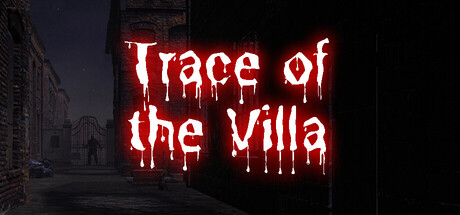
Trace of the Villa: when puzzles act like evidence in a mansion mystery
Trace of the Villa (Steadyturtle Co., Ltd.) is an atmospheric mystery adventure that casts players as Jin, a man who follows leads to a remote, decaying mansion to search for his missing sister. Released on 28 May, 2026 for PC via Steam, the game positions environmental puzzles, documents, and object logic as the primary means of reconstructing what happened in a place that feels “erased.”

Who this is for
Trace of the Villa will appeal to players who prioritize slow-burn suspense, evidence-driven storytelling, and puzzles that reward close reading and deduction. If you enjoy single-player indie adventures where exploration and document archaeology reveal the plot, this is the sort of Steam indie horror-adjacent experience to consider wishlisting.
What the game is
Officially described as an Action / Adventure / Indie title, Trace of the Villa centers on Jin’s search for his missing sister inside a property that appears deliberately stripped of recent records and personal identifiers. Restoring power and locating manifests, encrypted documents, and hidden compartments are explicit beats in the official Steam description: each solved puzzle unveils financial trails, falsified identities, and fragments of a broader operation.
| Title | Trace of the Villa |
|---|---|
| Steam AppID | 3483660 |
| Release date | 28 May, 2026 |
| Developer / Publisher | Steadyturtle Co., Ltd. |
| Genres | Action, Adventure, Indie |
| Key Steam categories | Single-player, Color Alternatives, Custom Volume Controls, Playable without Timed Input, Subtitle Options, Family Sharing |
| Short premise | Jin finds manifests and hints in a decaying mansion suggesting his sister may still be alive. |
When and where
Trace of the Villa launched on 28 May, 2026 and is available on Steam for PC. The Steam store page lists the developer and publisher as Steadyturtle Co., Ltd., and the app ID is 3483660 for direct discovery.
Why the theme matters: puzzles as evidence and narrative logic
What distinguishes Trace of the Villa in a crowded puzzle-adventure space is the framing of puzzles as evidentiary objects rather than isolated mechanical locks. The Steam description explicitly frames safes, encrypted documents, and manifests as clues that piece together a falsified timeline. That design choice pushes players to treat objects like testimony: the logic you apply to assemble a puzzle is the same logic you apply to assemble motive, opportunity, and consequence.

How you read clues and progress
The official description notes several concrete systems: restoring power, hidden compartments unlocking, safes yielding encrypted fragments, and manifests pointing at transfer records and falsified identities. Progress therefore emerges from layered decoding: environmental observation opens new systems, which yield documents; documents reframe rooms and reveal new interactions. Expect puzzle loops where object logic, paperwork, and spatial context combine to form the narrative throughline.

Player scenarios — who should wishlist it
- Evidence-focused puzzle players: you enjoy piecing documents, logs, and item relationships into a coherent timeline rather than solving stand-alone mechanical riddles.
- Atmosphere-first explorers: you value a slow-burn mansion mystery where rooms and restored systems reveal the story incrementally.
- Story-focused investigators: you prefer puzzles that advance characterization and plot — recovering manifests and transfer records should be rewarding beyond the unlock.
- Players who want accessible options: Steam metadata lists Playable without Timed Input, Subtitle Options, and Color Alternatives among categories, which is useful for varied accessibility needs.
How it compares: Trace of the Villa vs. nearby puzzle-adventure designs
Below is an editorial comparison by core player-facing characteristics — not a statement of overall quality. These entries use lawful editorial criteria: genre, atmosphere, puzzle focus, exploration style, story tone, pacing, and player fit.
| Title | Genre | Puzzle focus | Exploration style | Story tone | Pacing / Player fit |
|---|---|---|---|---|---|
| The Room | Adventure, Indie | Mechanical, tactile safes and devices | Room-based, singular puzzle objects | Mysterious, intimate artifacts | Deliberate, tactile puzzlers who like device-focused puzzles |
| Escape Simulator | Adventure, Casual, Indie, Simulation | Highly interactive escape-room puzzles, physics interactions | Modular rooms with object manipulation and co-op options | Varied tone depending on room; community-made rooms expand variety | Best for players who enjoy physical interaction and replayable escape scenarios |
| Unpacking | Casual, Indie, Simulation | Spatial, object-placement and inference from possessions | Domestic, vignette-style exploration | Zen, quiet narrative told through belongings | Fits players who prefer low-stress, story-through-objects pacing |
Practical takeaways
If you prize narrative logic — puzzles that act as primary evidence for a story — Trace of the Villa’s official materials indicate it deliberately ties safe-cracking and document recovery to plot advances. The Steam categories also suggest accessibility options and single-player focus, making it a fit for players who want a paced, investigative mansion mystery without time-pressure mechanics.
YouTube discovery
For trailers and gameplay, use this search path (results may include official and community videos): Search Trace of the Villa — trailers & gameplay on YouTube.
View Trace of the Villa on Steam
Disclaimer: referenced titles and trademarks belong to their respective owners; comparisons are editorial discovery only and based on publicly available descriptions and metadata.
Leave a Reply