
Trace of the Villa: when puzzles act like evidence in a mansion mystery
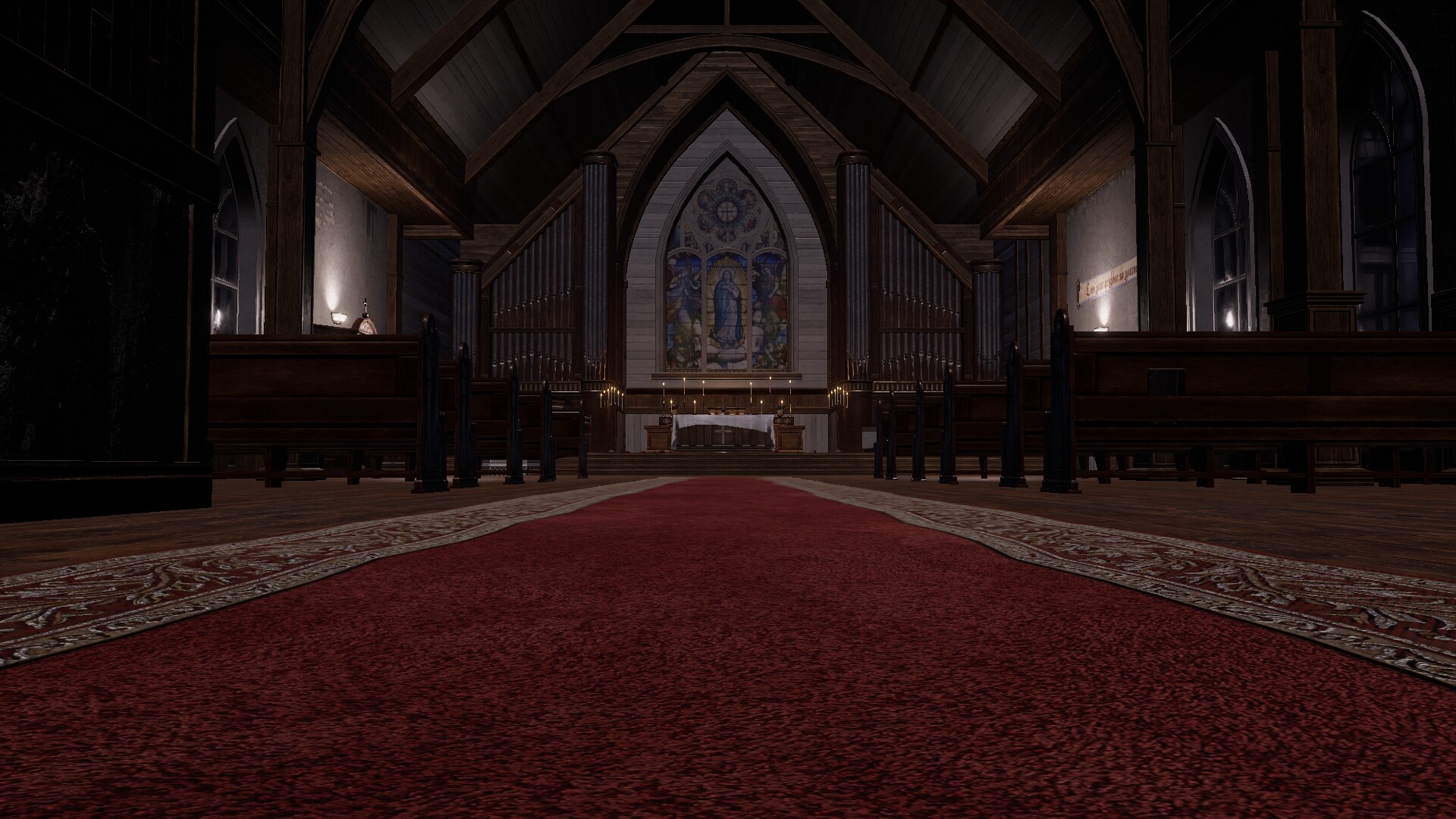
Trace of the Villa is a slow-burn, atmospheric mystery adventure that frames its puzzles as pieces of a forensic trail. Released on 28 May, 2026 by Steadyturtle Co., Ltd., the game casts players as Jin, a man following manifests and encrypted fragments through a decaying mansion to find clues about his missing sister.

Quick facts
| Title | Trace of the Villa |
|---|---|
| Steam App ID | 3483660 |
| Release date | 28 May, 2026 |
| Developer | Steadyturtle Co., Ltd. |
| Publisher | Steadyturtle Co., Ltd. |
| Genres | Action, Adventure, Indie |
| Categories | Single-player; Color Alternatives; Custom Volume Controls; Playable without Timed Input; Subtitle Options; Family Sharing |
Who should wishlist this on Steam?
If you prefer investigative, story-rich adventures over twitch reflex challenges, Trace of the Villa is aimed at you. The setup — Jin searching a remote, deliberately forgotten mansion after leads about his missing sister — speaks to players who enjoy narrative puzzles that act as evidence: readers of environments, detail-oriented explorers, and players who accept slow, cumulative revelations rather than immediate payoffs.
What the game is (and what it asks you to do)
Officially billed as an Action / Adventure / Indie title, Trace of the Villa positions its puzzles as investigative tools. When Jin restores power and opens locked compartments, safes, and encrypted documents, each solved puzzle yields fragments of a larger operation — falsified identities, financial trails, and arrivals that leave no official record. Puzzle solving is therefore not just mechanical; it’s an act of gathering evidence to assemble a timeline.
When and where: Steam / PC context
Trace of the Villa is available on Steam from 28 May, 2026. The Steam page lists the developer and publisher as Steadyturtle Co., Ltd., and classifies the game under Action, Adventure, and Indie. Steam categories indicate single-player focus and accessibility options like subtitle options and playability without timed input.
Why the theme matters: puzzles as narrative evidence
Not every puzzle-driven game treats clues the same way. In Trace of the Villa, puzzles are narrative artifacts — they exist as the house’s paperwork and locked systems, and solving them reveals the social and bureaucratic mechanisms behind the mystery. That design choice changes the player’s relationship to puzzles: instead of arbitrary obstacles, they become the primary source material for reconstructing what happened inside the mansion.
How you read clues and progress
The official description emphasizes restoring power, unlocking compartments, and decrypting documents. Expect a rhythm of examination: find a physical lead, restore or access a system, and then interpret the fragments you recover. Progress is cumulative; each solved lock or recovered manifest adds context that reframes earlier clues. That approach rewards careful note-taking and pattern recognition over brute-force experimentation.

Player scenarios — who will enjoy Trace of the Villa
- The methodical detective: You enjoy piecing together timelines from fragments and treat found documents as primary evidence.
- The atmosphere-first player: You value slow-burn mansion mystery and expect environmental storytelling to carry mood and tension.
- The story-puzzle hybrid fan: You like puzzles that both gate progress and disclose narrative consequences.
- Accessibility-minded players: The Steam listing notes subtitle options and the ability to play without timed input, which helps those who prefer a measured pace.
How Trace of the Villa compares to nearby puzzle-adventure titles
Below is a concise editorial comparison focused on puzzle focus, atmosphere, exploration style, and pacing — not on review scores or sales.
| Title | Puzzle emphasis | Atmosphere / tone | Exploration style | Player fit |
|---|---|---|---|---|
| Trace of the Villa | Puzzles as forensic evidence (locked systems, encrypted documents) | Decaying mansion, slow-burn psychological investigation | Focused, narrative-driven rooms with gated progression | Players who want story-led, clue-driven exploration |
| The Room | Intricate mechanical and environmental puzzles around a single, mysterious device | Claustrophobic, uncanny curiosity-driven mystery | Compartmental, puzzle-box rooms | Players who love tactile, object-focused puzzles |
| The Room Two | Expanded puzzle-box design with episodic locales | Cryptic, atmospheric and progressively grander | Series of distinct, self-contained puzzle environments | Those who enjoyed The Room and want more variety in set pieces |
| Escape Simulator | Interactive escape-room mechanics, heavy object interaction | Varied, playful to tense depending on room | Highly interactive, physics-based environments (solo or co-op) | Players who want direct object manipulation and faster puzzle loops |
| Unpacking | Life-and-object based puzzles focused on placement and inference | Quiet, reflective, domestic storytelling | Slow, methodical unpacking with implied narrative | Players who prefer domestic, observational puzzle design over mystery-thrillers |
YouTube / trailer discovery
If you want to see trailer or gameplay clips, search YouTube for Trace of the Villa — use this discovery path rather than assuming any single clip is official: YouTube search: Trace of the Villa trailer gameplay.
Deciding checklist — should you wishlist?
Wishlist Trace of the Villa on Steam if you answered yes to most of these:
- You enjoy puzzle design that functions as narrative evidence.
- You prefer atmosphere and environmental storytelling in a mansion mystery.
- You appreciate accessibility options like subtitles and play without timed input.
- You want a methodical, detective-style progression that rewards attention to detail.
View Trace of the Villa on Steam
Legal & credits
Trace of the Villa and all referenced assets are the property of Steadyturtle Co., Ltd. Referenced comparison titles and trademarks belong to their respective owners. This comparison and the editorial commentary are for discovery and decision-making purposes only.
Leave a Reply