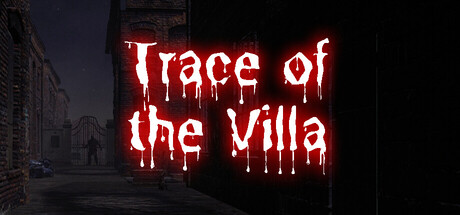
Trace of the Villa — puzzles as evidence in a slow-burn mansion mystery
Trace of the Villa drops you into Jin’s investigation of a decaying, off-the-grid mansion where manifests and hints suggest his missing sister may still be alive. Its release on 28 May, 2026 and its Steam listing position the game as an atmospheric, clue-forward adventure from Steadyturtle Co., Ltd.

Quick facts
| Title | Trace of the Villa |
|---|---|
| Release date | 28 May, 2026 |
| Developer / Publisher | Steadyturtle Co., Ltd. |
| Genres | Action, Adventure, Indie |
| Steam categories | Single-player; Color Alternatives; Custom Volume Controls; Playable without Timed Input; Subtitle Options; Family Sharing |
| Steam AppID | 3483660 |
| Official short premise | Jin follows leads to a remote, decaying mansion and recovers manifests and hints indicating his sister may still be alive. |
What the game is
Trace of the Villa is presented on Steam as an atmospheric mystery adventure that blends investigative exploration with puzzle-driven revelations. The official description frames the mansion as a place where identities seem erased, secured systems can be restored, and documents and manifests reveal financial and logistical traces. Puzzle solutions act as both mechanical obstacles and pieces of evidence: each successful read of a clue pushes Jin’s reconstruction of what happened at the estate.
Who this is for
- Players who prefer story-rich adventure with environmental storytelling and slow-burn suspense rather than twitch action.
- Puzzle fans who treat puzzles as narrative evidence — object logic and clue interpretation that advance a mystery timeline.
- PC players who value accessibility options (subtitles, color alternatives, no timed inputs) listed on the Steam page.
When and where
Trace of the Villa released on Steam on 28 May, 2026. It’s listed with genres Action, Adventure, Indie and Steam categories that emphasize single-player play and accessibility options.
Why the theme matters: puzzles as evidence and narrative logic
The game leans into a forensic model of puzzle design: clues are not only obstacles to progress but primary sources that the player must read, corroborate and assemble. Rooms look “erased” rather than merely abandoned, and unlocking systems or retrieving encrypted fragments is framed as recovering fragments of identity and transaction. That approach makes every solved object feel like turning a page in an investigative dossier — puzzles operate as evidence, and the player’s logic becomes the timeline.
How you read clues and progress
According to the Steam description, Jin restores power, reactivates secured systems and opens safes and hidden compartments to recover manifests and encrypted documents. Expect puzzle types that reward observational reading of the environment, object logic (how items relate to one another), and incremental narrative reveals. That means patience, note-taking or in-game record-keeping, and interpreting partial data will likely be core to forward momentum: each solved lock or decrypted fragment yields another lead that reframes previous evidence.

Concrete player scenarios
- Investigation-first player: You enjoy treating rooms like case files. You want puzzles that act as clues and shift the narrative when re-contextualized. Trace of the Villa’s manifest-and-encryption premise fits this taste.
- Atmosphere-and-suspense player: You prefer tension built through environment and pacing rather than jump scares. The Steam description’s emphasis on erased identities and locked systems suggests a slow-burn, oppressive mansion atmosphere.
- Accessibility-minded player: You want options such as subtitles, color alternatives, and no timed inputs — features listed in the Steam categories that make the game approachable for different playstyles.
How it compares (editorial discovery)
Below is a concise editorial comparison against a handful of nearby mystery/puzzle experiences, focusing on genre, atmosphere, puzzle focus, exploration style and player fit.
| Title | Genre / Atmosphere | Puzzle focus | Exploration style | Player fit |
|---|---|---|---|---|
| Trace of the Villa | Action / Adventure; mansion mystery, slow-burn suspense | Clue-driven: manifests, encrypted documents, object logic as evidence | Investigative, room-by-room reconstruction of timeline | Players who want puzzles to serve narrative proof and methodical exploration |
| The Room / The Room Two | Adventure; cryptic, mechanical atmosphere | Mechanical puzzle-box solutions and layered devices | Focused set pieces with tactile puzzle objects | Players who like tightly-crafted, tactile puzzles with a mysterious tone |
| Escape Simulator | Adventure / casual; collaborative escape-room feel | Highly interactive escape-room puzzles; physics and manipulation | Room-scale, often object-heavy and cooperative | Players who prefer interactivity, community-made rooms and co-op options |
| Unpacking | Casual / indie; domestic, reflective atmosphere | Object-placement puzzles that reveal life-story through possessions | Domestic, piecemeal exploration through items rather than locks | Players who enjoy quiet, object-based storytelling and character through belongings |
YouTube discovery
If you want trailers or gameplay footage, search for Trace of the Villa trailers and gameplay on YouTube: search on YouTube. This link is a discovery path rather than verification of any single official video.
Decision guide: should you wishlist?
Wishlist Trace of the Villa if you prioritize investigative, environmental storytelling and puzzles that function as evidentiary documents rather than standalone riddles. If your preferred puzzle loop is tactile puzzle-box mechanics or fast interactive multi-room escapes, consider the comparisons above to calibrate expectations. The Steam listing’s accessibility categories and the developer/publisher listing (Steadyturtle Co., Ltd.) are helpful cues for PC players who value options and a single-player focus.
Steam page: Trace of the Villa on Steam
Referenced titles and trademarks belong to their respective owners. Comparisons in this article are editorial discovery only, focused on genre, atmosphere, puzzle style, exploration and pacing.
Leave a Reply