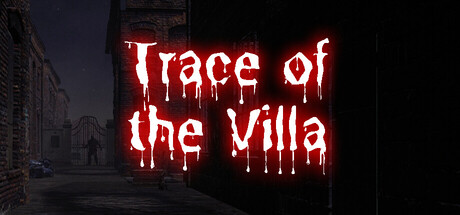
Trace of the Villa — puzzles as evidence and narrative logic in a mansion mystery
Trace of the Villa casts players as Jin, an investigator whose years-long search for a missing sister leads to a remote, decaying mansion where recovered manifests and hints suggest she may still be alive. Released on 28 May, 2026, the game blends environmental storytelling with object-based puzzles that treat clues as forensic evidence rather than abstract mechanics.

What Trace of the Villa is
Trace of the Villa is a Steam PC release from developer and publisher Steadyturtle Co., Ltd., listed under Action, Adventure, and Indie. Its official short description opens with Jin’s search for a missing sister and a trail that ends at “a remote, decaying mansion” where manifests, encrypted documents and other fragments begin to restore a hidden timeline. The official description makes clear the gameplay loop: restore power, unlock sealed systems, and piece together records and safes to expose a larger, concealed operation.
Who this is for
This will appeal to players who favor slow-burn, atmospheric mystery adventure and story-rich investigation over fast-paced action. If you enjoy clue-driven exploration, environmental storytelling where objects read like evidence, and puzzle mechanics that advance both gameplay and the narrative, Trace of the Villa is worth watching or wishlisting.
When and where
Trace of the Villa is available on Steam and launched on 28 May, 2026. It’s presented as a single-player PC experience with accessibility options listed on the Steam page (Color Alternatives, Custom Volume Controls, Playable without Timed Input, Subtitle Options, Family Sharing).
Why the theme matters — puzzles as evidence
Many puzzle adventure games use objects as keys to gate progress; Trace of the Villa frames items and documents as traces of human activity. The official description highlights encrypted documents, suspicious transfer records, and falsified identities uncovered behind locked doors and safes. When puzzles deliver fragments of a ledger or a manifest, they function as evidence: each solved challenge updates the player’s understanding of what actually happened at the estate. That editorial angle — reading mechanics as clues rather than arbitrary barriers — shapes both tone and player motivation.
How you read clues and progress
The Steam description indicates a mix of environmental interaction and inventory/secure-system puzzles: restoring power brings systems back online, hidden compartments unlock, and safes yield fragments of encrypted files and transfer records. Progress is not just a physical unlocking; it’s a process of connecting material traces into a logical timeline. Players who like matching names, dates, and records to form hypotheses about characters and events will find the puzzle design built around narrative logic rather than isolated riddles.
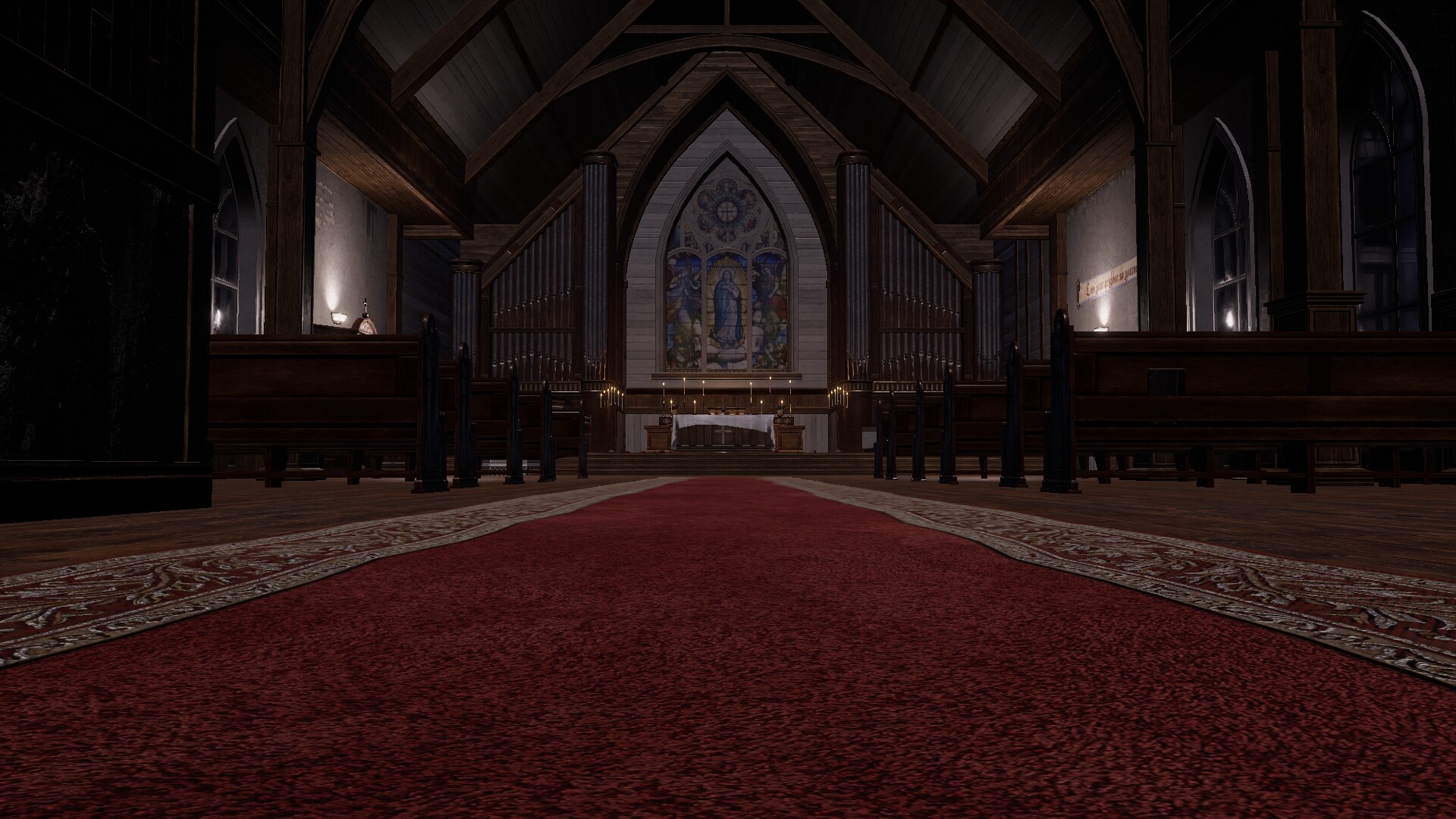

Quick facts
| Title | Trace of the Villa |
|---|---|
| Release date | 28 May, 2026 |
| Developer / Publisher | Steadyturtle Co., Ltd. |
| Genres | Action, Adventure, Indie |
| Steam categories / accessibility | Single-player; Color Alternatives; Custom Volume Controls; Playable without Timed Input; Subtitle Options; Family Sharing |
| Steam reviews | No user reviews (as listed on Steam) |
| Steam page | Trace of the Villa on Steam |
How it compares — short editorial table
Below is a brief editorial comparison to nearby puzzle-adventure titles that prospective players often weigh when deciding what to wishlist next. These comparisons focus on atmosphere, puzzle emphasis, exploration style, story tone, and pacing.
| Title | Genre / Tone | Puzzle focus | Exploration style | Story & pacing | Player fit |
|---|---|---|---|---|---|
| Trace of the Villa | Action / Adventure / Indie — atmospheric mansion mystery | Clue-driven: documents, encrypted files, safes, systems | Slow-paced, room-by-room exploration; systems restoration | Psychological investigation; narrative reveals via evidence | Players who want investigative puzzles tied to story logic |
| The Room | Adventure / Indie — tactile, single-room mysteries | Mechanical safes and tactile puzzle boxes | Focused, isolated environments (puzzles as set pieces) | Mystery-driven, intimate pacing with escalating mechanics | Players who like tactile puzzles and tightly designed rooms |
| The Room Two | Adventure / Indie — expanded versions of The Room’s tone | Layered mechanical puzzles across interconnected locales | Stepwise progression through linked set-pieces | Expands mystery with broader locations; deliberate pacing | Fans of The Room who want more scope with similar puzzle logic |
| Escape Simulator | Adventure / Casual / Indie — interactive escape rooms | Highly interactive object puzzles; sandbox interaction | Room-scale, physics-forward interaction; community rooms | Often playful and fast-paced; designed for varied short sessions | Players who enjoy physical, highly interactive puzzles and co-op |
| Unpacking | Casual / Indie — zen, life-story through objects | Domestic block-fitting and placement as narrative device | Non-threatening, vignette-style exploration of rooms | Slow, reflective storytelling; mood-focused rather than mystery | Players who prefer quiet, observational puzzle-play and story via items |
Player scenarios — who should wishlist
- Investigation-first players: you like building timelines from documents and enjoyed piecing together motives and movements from records.
- Atmosphere seekers: you prefer slow-burn tension and rooms that read as forensic scenes rather than generic horror set dressing.
- Puzzle narrativists: you want puzzles that explicitly advance the plot by revealing evidence rather than acting as isolated tests.
- Not ideal for speedrunners or players seeking high-octane multiplayer: Trace of the Villa is framed as a narrative, single-player investigation.
YouTube discovery
If you want to preview visuals and pacing, search for trailers and gameplay footage here (useful for discovery; not a verified official video): YouTube: Trace of the Villa trailer & gameplay.
Final take
Trace of the Villa positions puzzles as evidence — objects, manifests and encrypted fragments that change your interpretation of events. If you value narrative logic and environmental storytelling where each unlocked system or recovered file reshapes the mystery, put it on your Steam wishlist and check the Steam page for accessibility and platform details.
Steam CTA: View Trace of the Villa on Steam
Disclaimer: referenced titles and trademarks belong to their respective owners; comparisons above are editorial discovery and not endorsements.
Leave a Reply