
Trace of the Villa — a missing‑person mystery stitched into a decaying mansion
Jin has spent years searching for his missing sister; a lead drags him to a remote, deliberately forgotten mansion where manifests and encrypted fragments suggest she may still be alive. Trace of the Villa frames those personal stakes inside slow‑burn exploration and clue‑driven investigation from developer/publisher Steadyturtle Co., Ltd., releasing on 28 May, 2026.

Quick facts
| Title | Trace of the Villa |
|---|---|
| Steam app ID | 3483660 |
| Developer / Publisher | Steadyturtle Co., Ltd. |
| Release date | 28 May, 2026 |
| Genres | Action, Adventure, Indie |
| Categories / accessibility | Single-player; Color Alternatives; Custom Volume Controls; Playable without Timed Input; Subtitle Options; Family Sharing |
| Where to find it | Steam store page |
Who this is for
Pick this up if you prefer narrative curiosity and character-driven stakes over cheap jump scares. Trace of the Villa is aimed at players who enjoy atmospheric mystery adventures where the protagonist’s motivation matters: Jin’s search for his sister turns routine investigation into something personal. It’s a fit for players who value environmental storytelling, forensic puzzle solving (decrypting manifests, restoring systems) and a slow‑burn tension that rewards careful reading of space and objects.
What the game is — stripped to its narrative bones
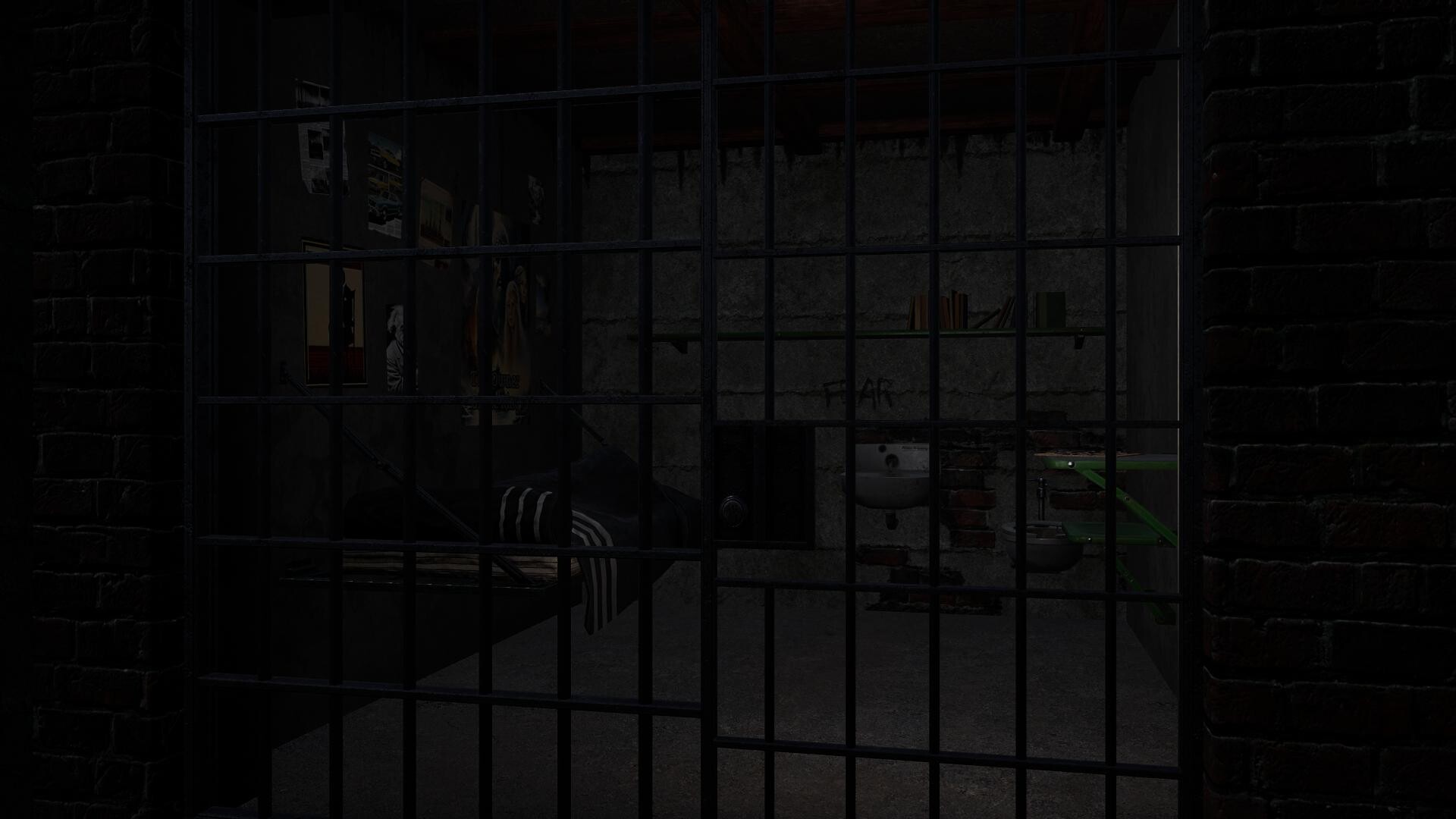
Officially described on Steam, Trace of the Villa drops you into a cut‑off mansion that feels “less abandoned than erased.” Rooms look as if people vanished mid‑routine; names and photographs are missing as if identities were stripped away. As Jin restores power and brings systems back online, the estate yields locked compartments, safes, encrypted documents and suspicious transfer records that hint at controlled movements and falsified identities. The game pairs exploration with puzzle sequence beats that reveal layer after layer of a concealed operation tied to the people who passed through the property.
When and where — Steam and PC context
Trace of the Villa launched on Steam on 28 May, 2026. Steadyturtle Co., Ltd. is listed as both developer and publisher on the Steam page. The Steam store entry also lists Action, Adventure, and Indie among its genres and includes accessibility‑friendly categories like Color Alternatives and Subtitle Options; the store features confirm it’s single‑player and playable without timed input, which helps players who prefer deliberate, exploration‑forward pacing.
Why the missing‑person stakes matter here
Many mystery games frame secrets as puzzles; Trace of the Villa makes the puzzle itself an emotional drive. Jin’s long search furnishes the player with a clear, human why: this is not only about uncovering a conspiracy but about a brother’s refusal to accept silence. That personal urgency changes how you interpret found items—manifests, encrypted fragments, transfer records—because each clue could tilt the balance between false lead and hope. The missing‑person core also encourages close reading of environmental detail: what was removed or deliberately omitted often reveals more than what’s left behind.
How you read clues and progress
The Steam description lays out the investigative loop: restore power, reactivate secured systems, find hidden compartments and decrypt documents. Progress is therefore a mix of environmental puzzle solving and discovery sequencing—returning to rooms with new systems active, following financial trails and assembling fragmented timelines from the estate’s records. Because timed inputs are explicitly listed as not required, the experience is built for players who want to puzzle at their own pace and prioritize deduction over reflexes.

Player scenarios — who will get the most out of it
- The methodical investigator: You like to piece timelines from documents and return to spaces when new systems are unlocked. The game’s “restore power → access systems → decrypt → follow trail” loop suits your playstyle.
- The character‑first player: You want the emotional logic behind a search to guide discovery. Jin’s missing‑sister motive gives found items narrative weight beyond puzzle reward.
- The atmospheric explorer: You’re drawn to slow‑burn suspense and environmental storytelling—rooms that feel staged or erased and the growing unease of what was hidden under maintenance and paperwork.
- The accessibility‑minded player: The Steam page lists subtitle options, color alternatives and playable without timed input, making a deliberate, readable investigation approachable.
How it sits next to other story‑rich mysteries
| Title | Similarity (genre/feel) | Key difference |
|---|---|---|
| Inscryption | Shares a focus on layered secrets and puzzle‑led discovery; dark, psychological undertones. | Inscryption folds those secrets into meta card mechanics and more overt psychological horror loops; Trace of the Villa leans into environmental investigation and missing‑person stakes rather than deckbuilding or meta‑narrative tricks. |
| Outer Wilds | Both prize curiosity and piecing a larger timeline from disparate clues; exploration is central. | Outer Wilds frames discovery across an open, time‑looping solar system and rewards spatial puzzle mastery; Trace of the Villa confines tension to a mansion and emphasizes forensic document work and identity‑based mysteries. |
| Journey | Atmospheric, slow‑burn emotional experience that values visual storytelling and mood. | Journey is almost entirely nonverbal and communal in tone; Trace of the Villa is narrative‑driven with a concrete protagonist and investigatory objectives. |
| The Forgotten City | Narrative mystery with a central moral/plot question and puzzle elements that affect story outcomes. | The Forgotten City uses time manipulation and moral puzzles in an ancient setting; Trace of the Villa is rooted in contemporary missing‑person investigation and documentary‑style clues inside a single estate. |
| The Medium | Psychological investigation set in a location with overlapping realities and haunting atmosphere. | The Medium alternates between realms and presents supernatural dual‑world mechanics; Trace of the Villa focuses on restoring real systems and uncovering falsified identities without confirmed supernatural framing in the official description. |
Leave a Reply