
Trace of the Villa — a mansion mystery driven by missing‑person stakes
Jin has spent years searching for his missing sister; his latest lead lands him at a decaying, off‑grid mansion where manifests, encrypted fragments, and locked rooms suggest people disappeared under deliberate secrecy. Released on 28 May, 2026, Trace of the Villa (Steadyturtle Co., Ltd.) frames investigation and restoration — flipping power, unlocking safes, reading manifests — as the engine of a small, story‑rich indie that leans on atmosphere and slow‑burn stakes.

Quick facts
| Title | Trace of the Villa |
|---|---|
| Release date | 28 May, 2026 |
| Developer / Publisher | Steadyturtle Co., Ltd. |
| Steam appid | 3483660 |
| Genres | Action, Adventure, Indie |
| Notable Steam categories | Single‑player; Color Alternatives; Custom Volume Controls; Playable without Timed Input; Subtitle Options; Family Sharing |
| Official premise | Jin searches for his missing sister and finds a remote, decaying mansion with manifests and hints that she may still be alive. |
Who this is for
If you favor detective energy driven by character motivation rather than combat spectacle, Trace of the Villa is worth considering. The game centers on a single, emotionally charged stake — a missing sibling — and targets players who appreciate atmospheric mystery adventure, environmental storytelling, and clue‑driven exploration. The Steam categories (subtitles, color alternatives, no timed‑input) also point to a design that supports slower, thoughtful play rather than twitch reflexes.
What the game actually is
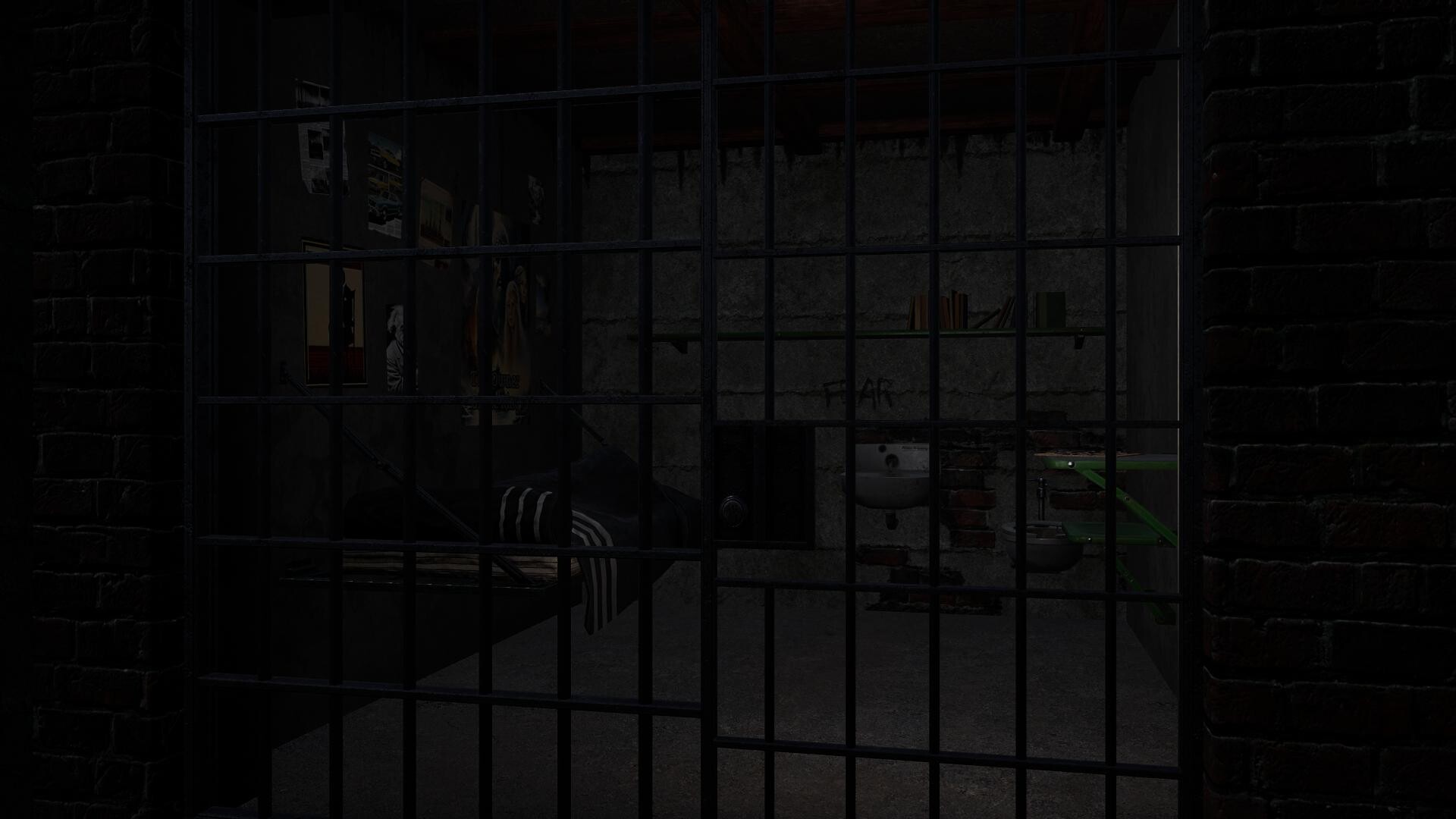
Trace of the Villa places you in Jin’s shoes following leads to a deliberately forgotten mansion. The official description emphasizes a house that feels “erased”: furnished rooms with no names, locked doors holding secured secrets, and a trail of falsified identities and suspicious transfers. Gameplay, as described by the developer, pivots on restoring systems (power returns, locked systems come back online), solving puzzles to unlock safes and hidden compartments, and reading fragments of encrypted documents to assemble a timeline. The missing‑person stakes give each recovered manifest and file extra weight — it’s not just worldbuilding, it’s evidence.

When and where
Trace of the Villa is available on Steam as of 28 May, 2026. It’s published and developed by Steadyturtle Co., Ltd. — find it on its Steam store page to wishlist or purchase: Trace of the Villa on Steam.
Why the missing‑person theme matters here
Missing‑person stakes change the default investigative rhythm: every clue can be interpreted as actionable evidence rather than mere ambience. In Trace of the Villa, objects and documents are described as part of a “carefully concealed operation” — falsified identities, financial trails, and arrivals without records. That framing makes the mansion’s puzzles feel forensic; progress is less about unlocking arbitrary challenge ladders and more about reconstructing a timeline that could point to a living person. For players who respond to urgency that’s personal rather than cosmic, that framing tightens narrative payoff.
How you read clues and make progress
- Physical investigation: exploring rooms that appear frozen mid‑routine, collecting personal effects and manifests that lack names or photos.
- Restoration systems: returning power to the estate reactivates secured systems and unlocks new investigative avenues — a mechanical gating device that also serves the story.
- Puzzle and document interplay: safes and hidden compartments yield fragments of encrypted files and suspicious transfer records; succeeding at environmental puzzles reveals more of the operation behind the mansion.
- Accumulating pattern recognition: as Jin pieces together timelines and financial anomalies, the emergent pattern reframes earlier discoveries; the game emphasizes lateral reading of evidence over combat or timed trials (Steam metadata lists “Playable without Timed Input”).
Player scenarios — who should wishlist it
- Scenario A: You like slow‑burn, evidence‑first mysteries. You prefer inventory and document puzzles that change how you interpret the space. Trace of the Villa’s manifests and locked records will be the reward loop for you.
- Scenario B: You want character motivation to drive puzzle stakes. If a central, personal search (a sibling who may still be alive) makes clues feel consequential, this game foregrounds that dynamic.
- Scenario C: You favor atmosphere and environmental storytelling over high‑intensity action. The game’s categories and official description suggest accessibility features and a focus on exploration without timed inputs.
- Scenario D: You expect fast action, multiplayer hooks, or heavy combat. The game’s Steam genres and categories point to a single‑player, investigation‑forward experience, so this probably isn’t aimed at you.
How it compares — quick editorial table
| Title | Core similarity | Key differences | Player fit |
|---|---|---|---|
| Inscryption | Layers mystery into game systems; psychological edge. | Inscryption blends card mechanics, meta‑puzzles, and horror; Trace of the Villa is focused on environmental investigation and document‑driven timelines. | Players who liked Inscryption’s narrative surprises but want exploration over card play might prefer Trace of the Villa. |
| Outer Wilds | Mystery emerges from exploration and pattern recognition. | Outer Wilds is open‑system astrophysical exploration and time loop; Trace of the Villa confines you to a mansion and emphasizes forensic, linear reconstruction over cosmic discovery. | If you loved Outer Wilds’ investigative curiosity but prefer a grounded, intimate setting, Trace of the Villa fits better. |
| Journey | Atmospheric, emotional payoff through environment. | Journey is a wordless, meditative traverse with multiplayer elements; Trace of the Villa uses documents, dialogue, and detective beats to drive story. | Players seeking mood and visual atmosphere plus a concrete narrative will find Trace of the Villa more explicit in story. |
| The Forgotten City | Narrative‑driven mystery with puzzle logic and moral stakes. | The Forgotten City uses time manipulation and a civic mysteryYouTube discoveryFor trailer and gameplay discovery, use YouTube search rather than relying on unverified embeds: Find Trace of the Villa trailer and gameplay searches on YouTube. CommentsMore posts |
Leave a Reply