
Trace of the Villa — an atmospheric mystery adventure about a missing sister and a mansion that refuses to stay forgotten
Jin has spent years searching for his missing sister; a recent lead points him to a remote, decaying mansion where manifest fragments and encrypted records hint she may still be alive. Trace of the Villa marries slow-burn suspense with clue-driven exploration as a player-led investigation unfolds when the house is coaxed back to life.

Quick facts
| Title | Trace of the Villa |
|---|---|
| Release date | 28 May, 2026 |
| Developer | Steadyturtle Co., Ltd. |
| Publisher | Steadyturtle Co., Ltd. |
| Genres | Action / Adventure / Indie |
| Categories (Steam) | Single-player; Color Alternatives; Custom Volume Controls; Playable without Timed Input; Subtitle Options; Family Sharing |
| Steam AppID | 3483660 |
Who this is for
If you favor story-rich indie structure over instant answers—players who enjoy environmental storytelling, tense atmospheric investigation, and the patience to assemble meaning from fragments—Trace of the Villa is aimed at you. The premise centers on missing-person stakes: Jin’s search for his sister makes the investigation personal, so the game will appeal to players who want narrative motivation to justify careful forensic-style exploration rather than spectacle alone.
What the game is
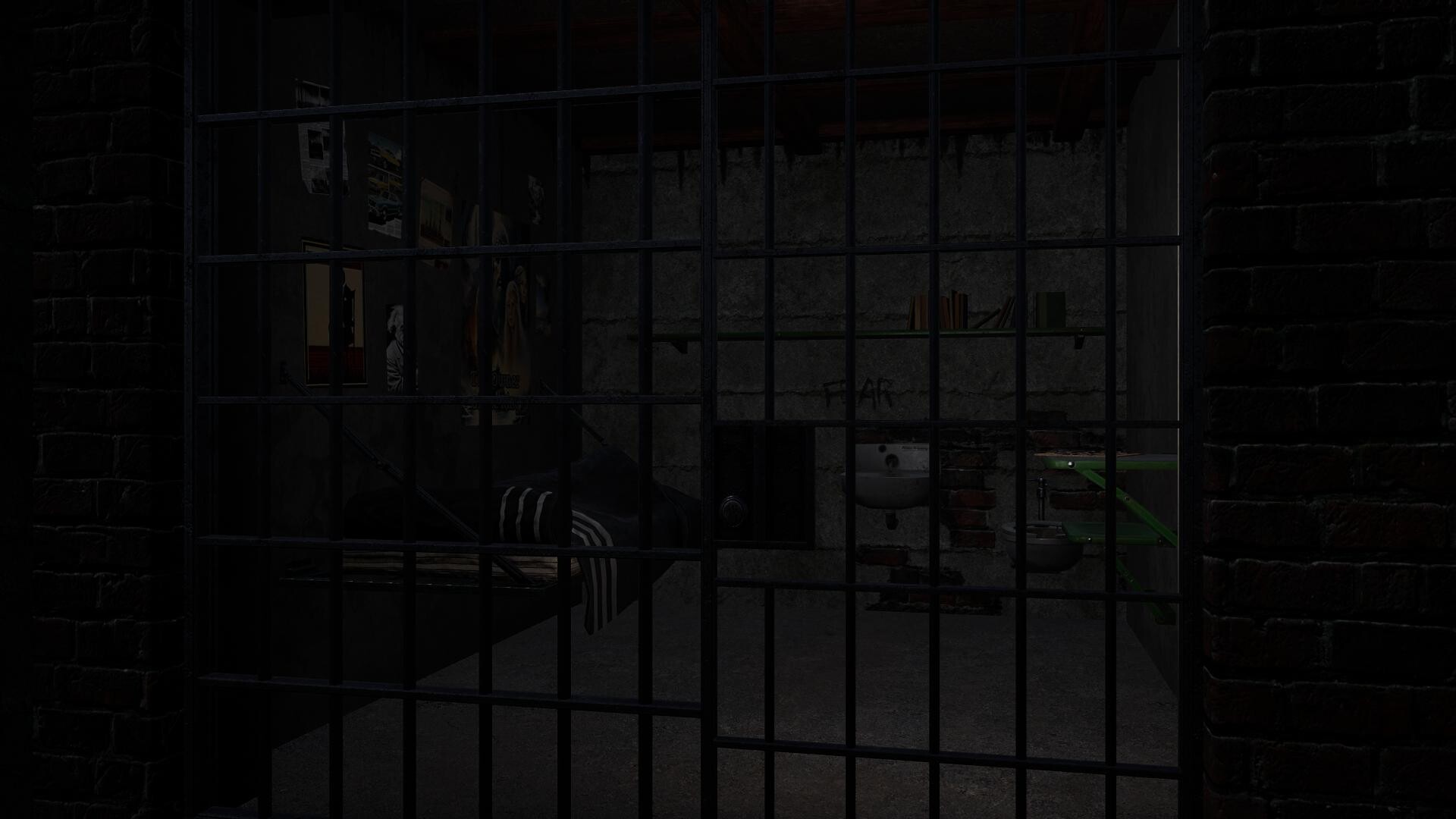
According to the official Steam description, Trace of the Villa places you in a remote mansion cut off from the grid. Jin recovers manifests, encrypted documents and suspicious transfer records suggesting falsified identities and controlled movements; when power is restored, previously secured systems, compartments and safes begin to reveal fragments of a larger, concealed operation. The design emphasis in the description is on clue-driven progression: restore systems, unlock hidden places, and follow a trail of bureaucratic and physical artifacts that point toward whether Jin’s sister might still be alive.

When and where you can play
Trace of the Villa is available on Steam; the official release date listed on the store is 28 May, 2026. It’s presented on Steam as an Action / Adventure / Indie title for single-player play with accessibility-friendly options such as subtitle support, color alternatives and custom volume controls.
Why the theme matters — motivation and stakes
The propulsive core here is character motivation: Jin’s missing-sister search turns a standard mansion mystery into a missing-person investigation with emotional risk attached. That missing-person stake shifts the narrative tone from curiosity to urgency—the player isn’t collecting trinkets for completion, they’re following leads that might mean life or death for someone the protagonist loves. The Steam copy underlines institutional concealment (falsified identities, transfer records, arrivals with no paperwork), which frames the mansion not as haunted by the supernatural alone but as a location of deliberate erasure. That combination—personal stakes plus bureaucratic cover-up—creates a specific kind of narrative curiosity: you want to know not only what happened inside the house, but who stood to gain by removing names and histories.
How you read clues and progress
The game’s described progression is granular and investigative. Restoring power is an explicit pivot moment: when systems come back online, they unlock new areas and artifacts (hidden compartments, safes, documents) that feed into a growing timeline. Progress appears to be driven by piecing together documents, manifests and encrypted fragments rather than combat or timed reflexes; the Steam categories include “Playable without Timed Input,” pointing to an experience that favors deliberate puzzle solving. Expect exploration that rewards cross-referencing physical spaces with digital records—reading manifests, tracing suspicious transfers, and connecting absences in household records to physical evidence left behind.
Player scenarios — who should wishlist this
- If you like methodical, forensic mystery: You enjoy assembling meaning from documents, power systems and preserved rooms. The game’s description promises encrypted fragments and manifests as the primary trail.
- If you respond to missing-person stakes: Jin’s search makes narrative choices and discoveries feel consequential; the emotional drive will matter more than spectacle.
- If you prefer fewer timing pressures: Steam lists “Playable without Timed Input,” so expect puzzles and exploration that reward careful reading rather than twitch skills.
- If you want atmospheric, slow-burn tension: The mansion’s erased identities and hush of a deliberately forgotten property create steady suspense rather than jump-scare pacing.
How it compares — a quick editorial table
Below are lawful editorial comparisons focused on tone, puzzle emphasis, exploration and pacing. These are discovery-oriented comparisons, not endorsements.
| Title | Similarities | Key differences | Playstyle / Pacing |
|---|---|---|---|
| Inscryption | Strong mystery and layered secrets; blends puzzles with narrative reveals. | Inscryption is card-centric and meta-narrative driven; Trace of the Villa centers on environmental and document-based investigation in a mansion setting. | Inscryption alternates tight puzzle runs with meta twists; Trace of the Villa suggests longer-form, location-based exploration. |
| Outer Wilds | Exploration-led storytelling and reward for patient pattern recognition. | Outer Wilds is an open, cosmic time-loop mystery with physics-driven puzzles; Trace of the Villa is grounded in a single estate and document traces. | Outer Wilds is discovery-driven with a cyclic structure; Trace of the Villa appears to be linear investigative progression through unlocked systems and spaces. |
| The Medium | Atmospheric tone and psychological investigation into past events. | The Medium uses dual-reality mechanics and supernatural mediumship; Trace of the Villa emphasizes bureaucratic concealment and forensic clues. | The Medium blends exploration with puzzle sequences and horror beats; Trace of the Villa leans toward slow-burn clue assembly and restored systems. |
| The Forgotten City | Narrative-driven mystery with high-stakes social implications. | The Forgotten City uses time-loop mechanics and moral puzzles in an ancient city; Trace of the Villa focuses on a modern estate with erased identities and financial records. | Both reward careful reading of clues; Forgotten City is scenario-based with branching outcomes, while Trace of the Villa’s description suggests sequential unlocking of evidence. |
Practical notes
Steam lists Trace of the Villa in the Action / Adventure / Indie genres and includes accessibility-friendly categories such as Color Alternatives and Subtitle Options. The official store copy emphasizes document fragments, locked systems and falsified records as the locus of investigation, so players who prefer textual and environmental clues over combat-heavy mechanics will find this description relevant.
Watch or search for trailers and gameplay
If you want to see footage or the trailer, search YouTube using this discovery path: Trace of the Villa trailer & gameplay (YouTube search). This is provided as a search route; the store’s trailer thumbnail is available on the Steam page.
Decision checklist — should you wishlist?
- Wishlist if you value narrative motivation and missing-person stakes that give exploration emotional weight.
- Wishlist if you like investigative puzzles driven by documents, manifests and systems coming back online.
- Skip or watch more footage if you prefer fast-paced action or open-world freedom—the Steam description frames Trace of the Villa as focused on a mansion-scale investigation.
Leave a Reply