
Trace of the Villa — a slow-burn mansion mystery driven by missing-person stakes
Jin has spent years searching for his missing sister, and a lead to a remote, decaying mansion finally yields manifests and encrypted hints that suggest she may still be alive. Trace of the Villa tasks players with reading a house like a witness: restore power, unlock systems, and piece together financial trails and falsified identities to follow the trail to its end.

| Title | Trace of the Villa |
|---|---|
| Release date | 28 May, 2026 |
| Developer / Publisher | Steadyturtle Co., Ltd. |
| Steam appid | 3483660 |
| Genres | Action, Adventure, Indie |
| Categories | Single-player; Color Alternatives; Custom Volume Controls; Playable without Timed Input; Subtitle Options; Family Sharing |
| Official short description | Jin has spent years searching for his missing sister, pursuing leads that took him to a remote, decaying mansion where he recovered manifests and hints that indicate his sister may still be alive, somewhere at the end of the trail he is about to follow. |
Who is this for?
Trace of the Villa will appeal to players who prize narrative curiosity over overt spectacle: people who enjoy atmospheric mystery adventure, psychological investigation, and clue-driven exploration. If you favor methodical puzzle work — restoring systems, decrypting fragments, and assembling a timeline of who arrived and who vanished — this fits. The studio lists the game as Action / Adventure / Indie and tags it for single-player, accessibility options like color alternatives and subtitles, and “playable without timed input,” so it’s aimed at players who want story-first pacing with optional accessibility aids.
What the game actually is
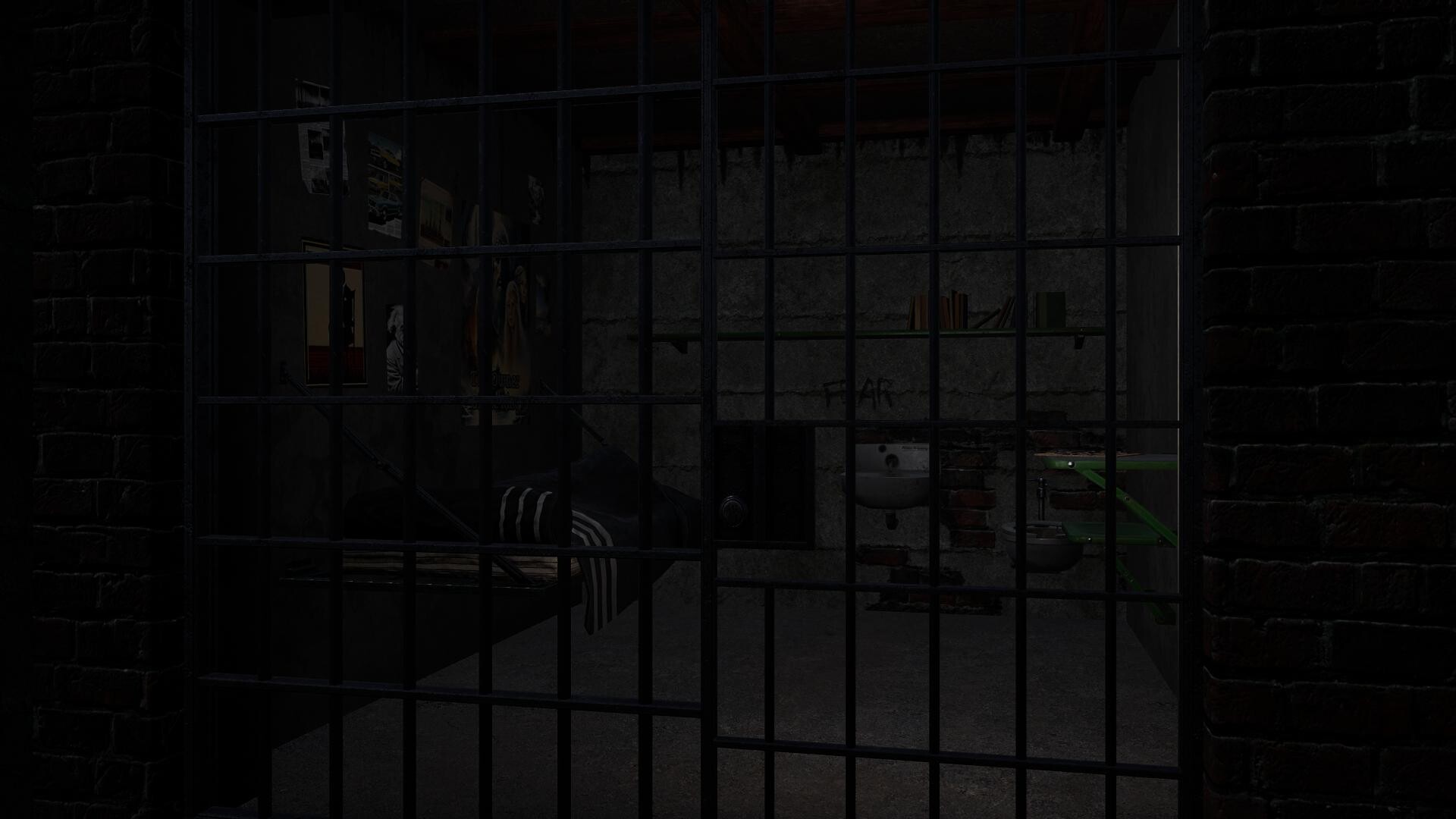
Official Steam text frames the premise tightly: Jin — a protagonist defined by a missing-person stake — follows a lead to an isolated mansion cut off from the grid. Rooms look as if occupants vanished mid-routine; photographs and names are conspicuously absent. When Jin restores power, secured systems and hidden compartments begin to yield fragments: manifests, encrypted documents, suspicious transfer records, and falsified identities. The narrative structure is clue-driven exploration and environmental storytelling: each recovered fragment is a small reveal that changes the shape of the mystery.
When and where
Trace of the Villa released on Steam on 28 May, 2026. The Steam page lists Steadyturtle Co., Ltd. as both developer and publisher, and the store listing includes the usual Steam storefront assets and screenshots (see images above and below).

Why the theme matters (missing-person stakes)
Missing-person stories naturally raise emotional stakes: the search is personal, not academic. The official description stresses that what begins as a routine investigation “quickly becomes personal.” That tonal tilt changes how players interpret every recovered manifest or transfer record — not as cold forensic evidence but as a possible lifeline. When a game’s clues point at identity erasure, falsified paperwork, and controlled movements, the procedural puzzle work also carries a moral weight: you aren’t only reconstructing a ledger, you’re trying to reconstruct a life.
How you read clues and progress
The Steam text outlines a clear investigative loop: restore power to the estate, bring systems back online, access hidden compartments or safes, and collect fragments — manifests, encrypted documents, and suspicious transfer records. Each recovered item narrows the timeline and exposes patterns: arrivals without records, departures without witnesses, movements masked behind false identities. Progress is narrative puzzle design rather than combat-centered progression; the “Action” tag suggests some interactivity, but the primary engine of advancement is piecing together a timeline and following financial and identity trails to their conclusion.
Player scenarios — who should wishlist this
- Players who enjoy slow-burn suspense and environmental storytelling — if you like reading a space to learn about absent people rather than hearing exposition, this will suit you.
- Investigative puzzle players who prefer decrypting and assembling fragments over twitch reflex challenges — the listing includes “playable without timed input.”
- Fans of narrative stakes that feel personal rather than cosmic — the missing-sister premise keeps the mystery grounded.
- Those who want accessibility options out of the box — subtitles, color alternatives, and custom volume controls are present on the Steam page.
How Trace of the Villa compares to nearby mystery/puzzle titles
| Title | Similarities | Key differences | Who might prefer |
|---|---|---|---|
| Trace of the Villa | Clue-driven exploration; environmental storytelling; a central personal mystery | Focuses on identity erasure, manifests, and financial trails inside a single mansion; listed as Action/Adventure/Indie | Players who want a grounded missing-person investigation with puzzle-led reveals |
| Inscryption | Strong mystery elements and layered secrets; puzzle-forward reveals | Inscryption mixes card systems, roguelike structure, and meta horror; its mechanics are card-centric rather than document-forensics | Players who like mechanical surprises and meta-narrative twists alongside mystery |
| Outer Wilds | Exploration-based discovery and timeline-driven revelations | Outer Wilds is open-world and cosmic in scale with time-loop mechanics rather than a single-location mansion mystery | Players who prefer wide, systemic puzzles and cosmic mystery over intimate domestic investigation |
| The Forgotten City | Narrative-driven mystery and heavy emphasis on uncovering timelines and motives | Uses time-loop and moral
Steam pageView Trace of the Villa on Steam YouTube discoveryFor trailer and gameplay discovery, use YouTube search rather than relying on unverified embeds: Find Trace of the Villa trailer and gameplay searches on YouTube. CommentsMore posts |
Leave a Reply