
Who should wishlist Trace of the Villa after enjoying atmospheric mystery adventures
Trace of the Villa is a slow-burn, clue-driven mystery set in a remote, decaying mansion where Jin follows manifests and encrypted records to learn whether his missing sister might still be alive. If you prefer atmospheric, evidence-led investigation that rewards careful reading of documents and restoring systems to unlock the story, this release is aimed squarely at that mood and method.

What Trace of the Villa is
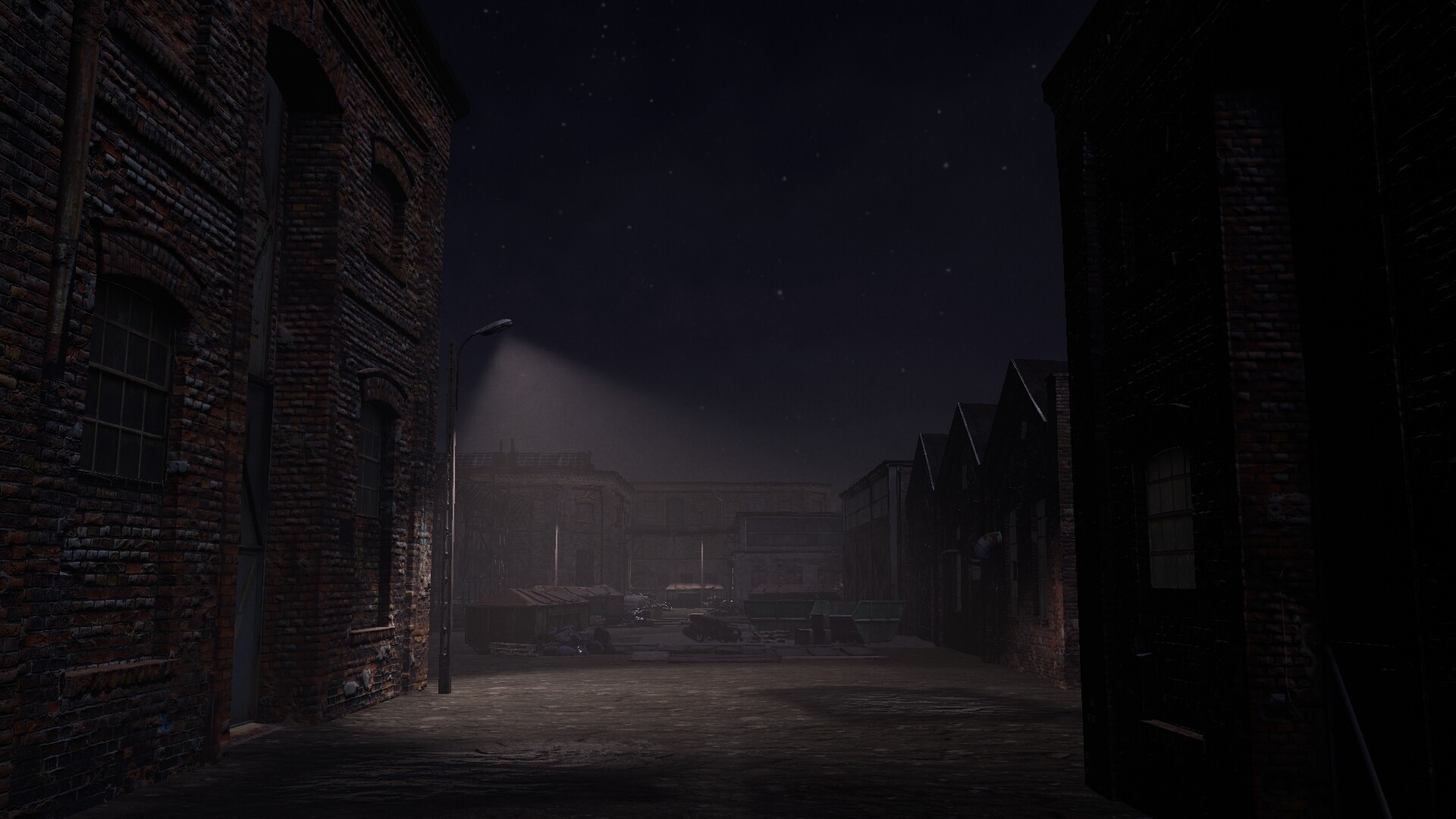
Trace of the Villa (developer/publisher: Steadyturtle Co., Ltd.) is billed as an Action/Adventure/Indie title on Steam. Its premise: Jin has been searching for his missing sister for years and a lead points him to an abandoned mansion where he recovers manifests and hints that suggest she may still be alive. The game leans on environmental storytelling — furnished rooms frozen in time, locked doors, hidden compartments and systems that must be restored to reveal encrypted documents and transfer records.
Who it’s for
This is a fit for players who enjoy:
- Evidence-led investigation: reconstructing timelines from documents, manifests, and financial traces rather than combat or fast reflex tests.
- Mood-first exploration: slow-burn suspense in confined, atmospheric spaces — a mansion mystery with psychological overtones.
- Puzzle design that is narrative-first: unlocking safes, restoring power, and decoding fragments to progress the story.
- Single-player, story-rich PC experiences where environmental detail carries much of the plot.
When and where
Trace of the Villa released on 28 May, 2026 and is available on Steam for PC. Visit the store page to wishlist or purchase:
View Trace of the Villa on Steam
Why the theme matters: documents, dark rooms, and evidence-led investigation
The official description emphasises investigation through recovered manifests, encrypted documents and suspicious transfer records. That framing signals a design that privileges close reading and reconstruction of events: restoring power and secured systems brings material evidence back into play, not just visual frights. If the primary pleasure you seek from mystery games is assembling a case from scattered clues and seeing how systems and files intersect to reveal motive and method, this is the kind of tone and mechanic set you’ll likely appreciate.
How you progress — the investigative loop
According to the game’s official materials, progression is centered on forensic environmental work: restoring power to the estate brings secured systems online, hidden compartments and safes can be opened, and fragments of encrypted documents appear as you solve puzzles. Manifests and transfer records form financial and identity trails that the player pieces together to form a timeline — arrivals without records, departures without witnesses, and falsified identities are among the leads Jin follows. The “how” here is investigative rather than reflexive: find evidence, unlock systems, read/interpret documents, and assemble the narrative trail.
Compact facts — Trace of the Villa
| Title | Trace of the Villa |
|---|---|
| Steam AppID | 3483660 |
| Release Date | 28 May, 2026 |
| Developer / Publisher | Steadyturtle Co., Ltd. |
| Genres | Action, Adventure, Indie |
| Categories | Single-player, Color Alternatives, Custom Volume Controls, Playable without Timed Input, Subtitle Options, Family Sharing |
| Short Premise | Jin searches a decaying mansion for manifests and hints suggesting his missing sister may still be alive. |
How it compares — other atmospheric mystery/adventure games
Below is an editorial comparison focused on genre, atmosphere, puzzle focus, exploration style, pacing and who might prefer each experience. This is discovery-focused context, not endorsement.
| Title | Genre / Tone | Puzzle Focus | Exploration Style | Pacing | Good for players who |
|---|---|---|---|---|---|
| Trace of the Villa | Action / Adventure / Indie — mansion mystery, evidence-led investigation | Document-driven puzzles, safes, restoring systems, encrypted fragments | Single-location mansion, environmental storytelling | Slow-burn, investigative | Prefer reading clues, reconstructing timelines, and piecing together financial/identity trails |
| Amnesia: The Dark Descent | Action / Adventure / Indie — first-person survival horror; immersion and dread | Environmental puzzles with survival/hide mechanics | First-person exploration of gothic locations | Steady escalation of tension and survival stress | Seek intense immersion and psychological horror with vulnerability mechanics |
| SOMA | Action / Adventure / Indie — sci-fi horror, existential tone | Story-led puzzles and contextual problem solving | Exploration of confined, atmospheric sci-fi environments | Measured pacing focused on narrative and mood | Want philosophical sci-fi with atmospheric tension and narrative puzzles |
| Layers of Fear (2016) | Adventure / Indie — first-person psychological horror in a Victorian mansion | Environmental and sequence puzzles tied to narrative | House/mansion that shifts and changes with player progress | Psychological, disorienting pacing with set-piece reveals | Enjoy surreal, psychological storytelling and a mutable environment |
| The Room | Adventure / Indie — focused puzzle-box mystery | Mechanical, tactile puzzle safes and devices | Contained, object-focused exploration (puzzle boxes/rooms) | Puzzle-centric, deliberate | Prefer tightly designed mechanical puzzles and tactile problem solving |
| Rusty Lake Hotel | Adventure / Indie — point-and-click, dark and eerie puzzle game | Point-and-click logic puzzles with an eerie tone | Room-by-room, episodic hotel exploration | Compact, steadily unfolding mysteries | Like short, surreal puzzle episodes with an unsettling vibe |
Player scenarios — who should consider Trace of the Villa
- Document detectives: You enjoy piecing together meaning from manifests, ledgers, and encrypted fragments and seeing how those documents change your understanding of characters and events.
- Slow-burn explorers: You prefer atmosphere and a steadily accumulating sense of unease over jump scares; the mansion’s silence and staged rooms are the primary narrative engine.
- Puzzle narrativists: You like puzzles that serve the story — opening a safe should reveal next steps in the investigation, not just a mechanical challenge.
- Single-player, accessibility-minded players: The Steam page lists categories like “Playable without Timed Input,” subtitle options, and custom volume controls, which suit players who want an adaptable single-player experience.

YouTube discovery
For trailer and gameplay discovery, use YouTube search rather than relying on unverified embeds: Find Trace of the Villa trailer and gameplay searches on YouTube.
Leave a Reply