
Who should wishlist Trace of the Villa after playing atmospheric mystery adventures?
If your ideal mystery is built from documents, dim corridors, and slow, evidence-led investigation rather than twitch combat, Trace of the Villa is worth a look. In Steadyturtle Co., Ltd.’s newest release, “Jin has spent years searching for his missing sister, pursuing leads that took him to a remote, decaying mansion where he recovered manifests and hints that indicate his sister may still be alive, somewhere at the end of the trail he is about to follow.”

Quick facts
| Title | Trace of the Villa |
|---|---|
| Steam appid | 3483660 |
| Release date | 28 May, 2026 |
| Developer / Publisher | Steadyturtle Co., Ltd. |
| Genres | Action, Adventure, Indie |
| Notable Steam categories | Single-player; Color Alternatives; Custom Volume Controls; Playable without Timed Input; Subtitle Options; Family Sharing |
| Official short description | “Jin has spent years searching for his missing sister, pursuing leads that took him to a remote, decaying mansion where he recovered manifests and hints that indicate his sister may still be alive, somewhere at the end of the trail he is about to follow.” |
What Trace of the Villa is
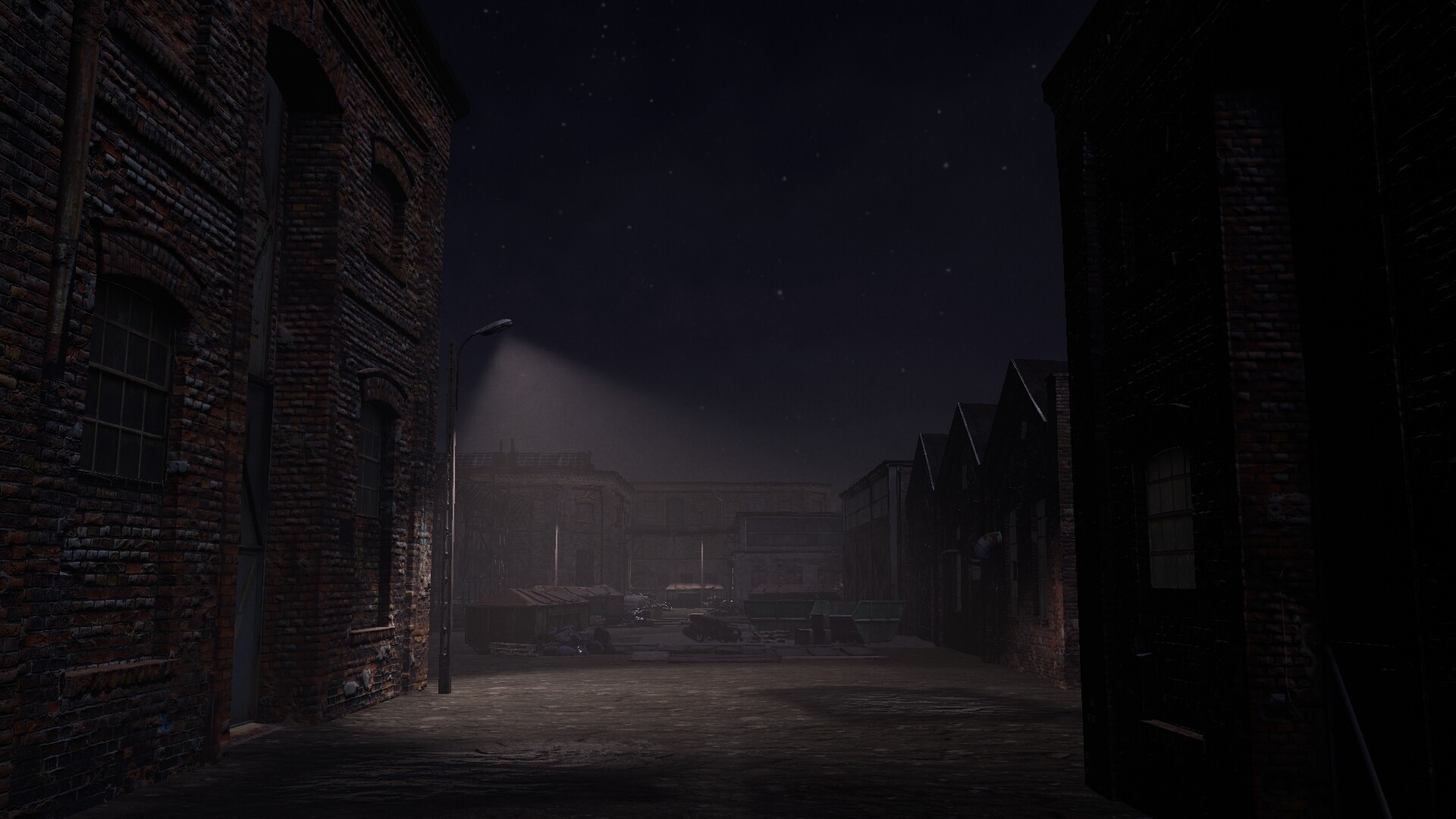
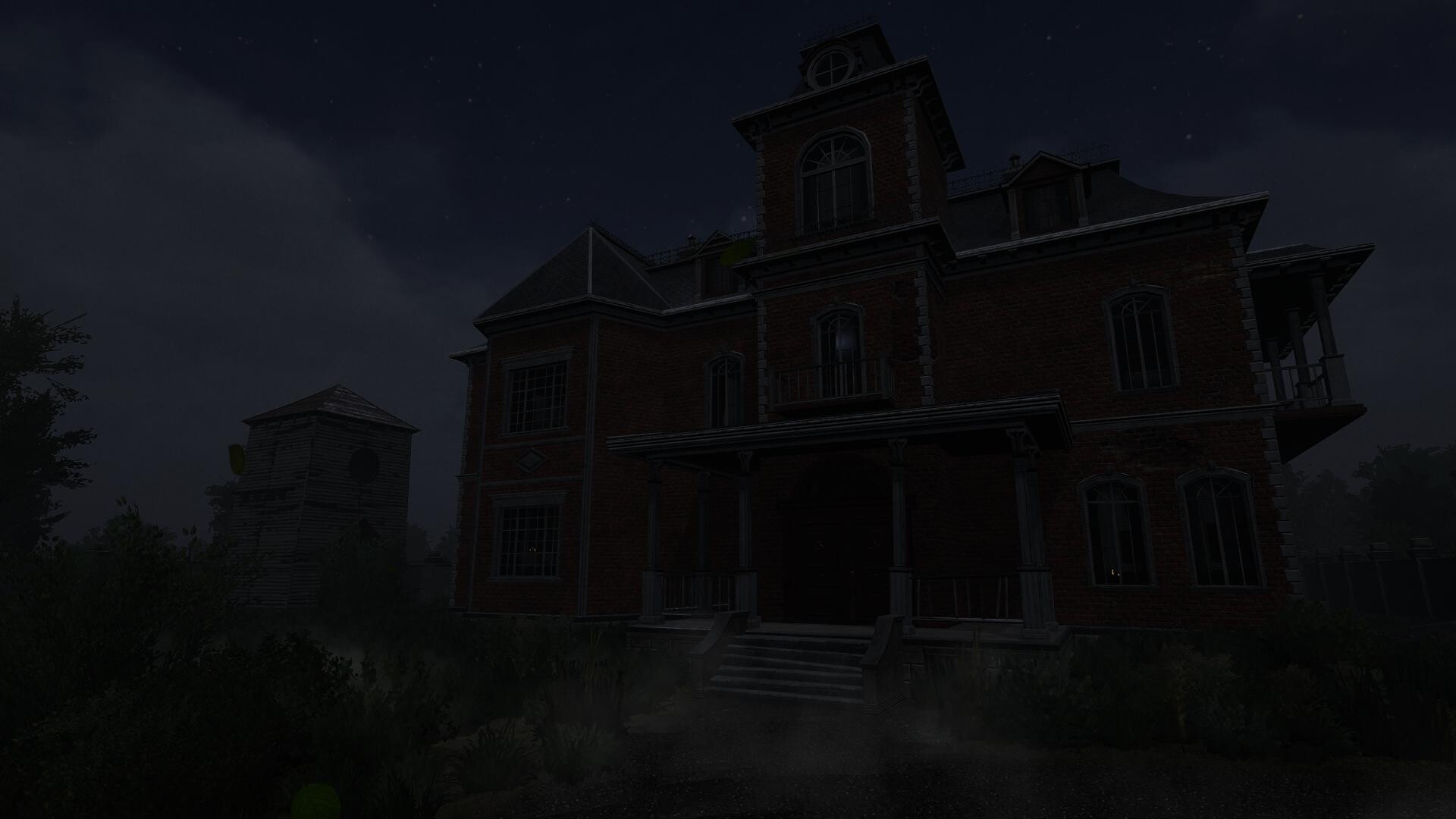
Trace of the Villa is a story-driven, atmospheric mystery adventure set in a deliberately forgotten mansion. Its official Steam text frames the experience as an investigative pursuit: Jin follows cold leads into a decaying estate and recovers manifests, encrypted documents, and other traces that suggest a larger operation. The mansion’s systems and locked areas become readable as Jin restores power and reveals hidden compartments, safes, and suspicious transfer records—so expect narrative puzzle design focused on documents, environmental storytelling, and piecing together a timeline from physical evidence.
When and where
Trace of the Villa launched on Steam on 28 May, 2026; it is developed and published by Steadyturtle Co., Ltd. The Steam page lists standard PC-friendly categories such as single-player, subtitle options, and accessibility-friendly tags like playability without timed input.
Who should consider it
- Players who prioritize clue-driven exploration and document forensics over action set-pieces.
- Fans of slow-burn, mansion mystery atmospheres where rooms and objects tell most of the story.
- Anyone who enjoys piecing together timelines from manifests, encrypted files, and financial traces revealed through careful searching.
- Those who prefer optional accessibility and settings (subtitles, custom volume, no timed inputs) to suit an investigative pacing.
Why the theme matters
Trace of the Villa leans on the idea that narrative friction—the gaps in records, blanked-out identities, and false trails—can be as effective as monsters for sustained tension. The Steam description makes this explicit: rooms look lived-in but identities are erased, suggesting a psychological investigation into systems that hide people rather than a conventional survival-horror encounter. That emphasis on documents, manifests, and financial trails positions the game toward players who like to read the environment like evidence.
How you progress
Progress in Trace of the Villa is described in Steam copy as largely evidence-led: restore power to access secured systems; open hidden compartments and safes; extract fragments of encrypted documents and suspicious transfer records; then piece those fragments into a timeline that suggests how people came and went. The core loop, as presented on the Steam page, is exploration → document recovery → puzzle resolution → narrative revelation. If you enjoy inventory puzzles built around decoded files, manifests and administrative traces, that loop will be familiar.
Player scenarios — who will enjoy it most
- Document-driven detectives: You like to spend time reading manifests, decoding fragments, and tracing financial or identity anomalies across a game world.
- Slow-burn atmosphere fans: You prefer tension built through silence, empty rooms, and missing records rather than jump scares or combat-focused threats.
- Puzzle players who avoid reflex demands: The Steam page notes “playable without timed input,” so if you prefer deliberate puzzle solving at your own pace, this suits you.
- Accessibility-minded players: Custom volume controls, color alternatives, and subtitle options let you tailor the experience to focus on reading and listening to subtle clues.
How it compares to a few nearby mystery/adventure titles
| Title | Primary mood / atmosphere | Puzzle focus | Exploration style | Pacing / player fit |
|---|---|---|---|---|
| Trace of the Villa (Steadyturtle Co., Ltd.) | Decaying mansion, evidence-led, institutional erasure | Document fragments, safes, encrypted records (narrative puzzles) | Room-by-room environmental reading; restore systems to reveal areas | Slow-burn; suited to patient, investigative players |
| Amnesia: The Dark Descent (2010) | Claustrophobic survival horror; dread and immersion | Environmental puzzles, sanity mechanics (immersion-first) | First-person roaming with emphasis on hiding and survival | High-tension, horror-focused; players seeking scares and atmosphere |
| SOMA (2015) | Sci-fi existential horror, unsettling atmosphere | Environmental problem-solving tied to narrative reveals | Exploration of a large interconnected facility | Slow to mid-paced; narrative and philosophical weight |
| Layers of Fear (2016) | Psychological horror with a shifting mansion | Environmental and object puzzles focused on story beats | Unstable, shifting spaces that reveal story fragments | Psychological, story-first; suits players who like disorienting narratives |
| The Room (2014) | Concentrated mystery; mechanical puzzle boxes | Intricate tactile puzzles, focus on a single-location device | Contained exploration around puzzle objects | Best for players who love handcrafted, tactile
Steam pageView Trace of the Villa on Steam YouTube discoveryFor trailer and gameplay discovery, use YouTube search rather than relying on unverified embeds: Find Trace of the Villa trailer and gameplay searches on YouTube. CommentsMore posts |
Leave a Reply