
Trace of the Villa — an escape-room style mystery built from locked-room logic and clue chains
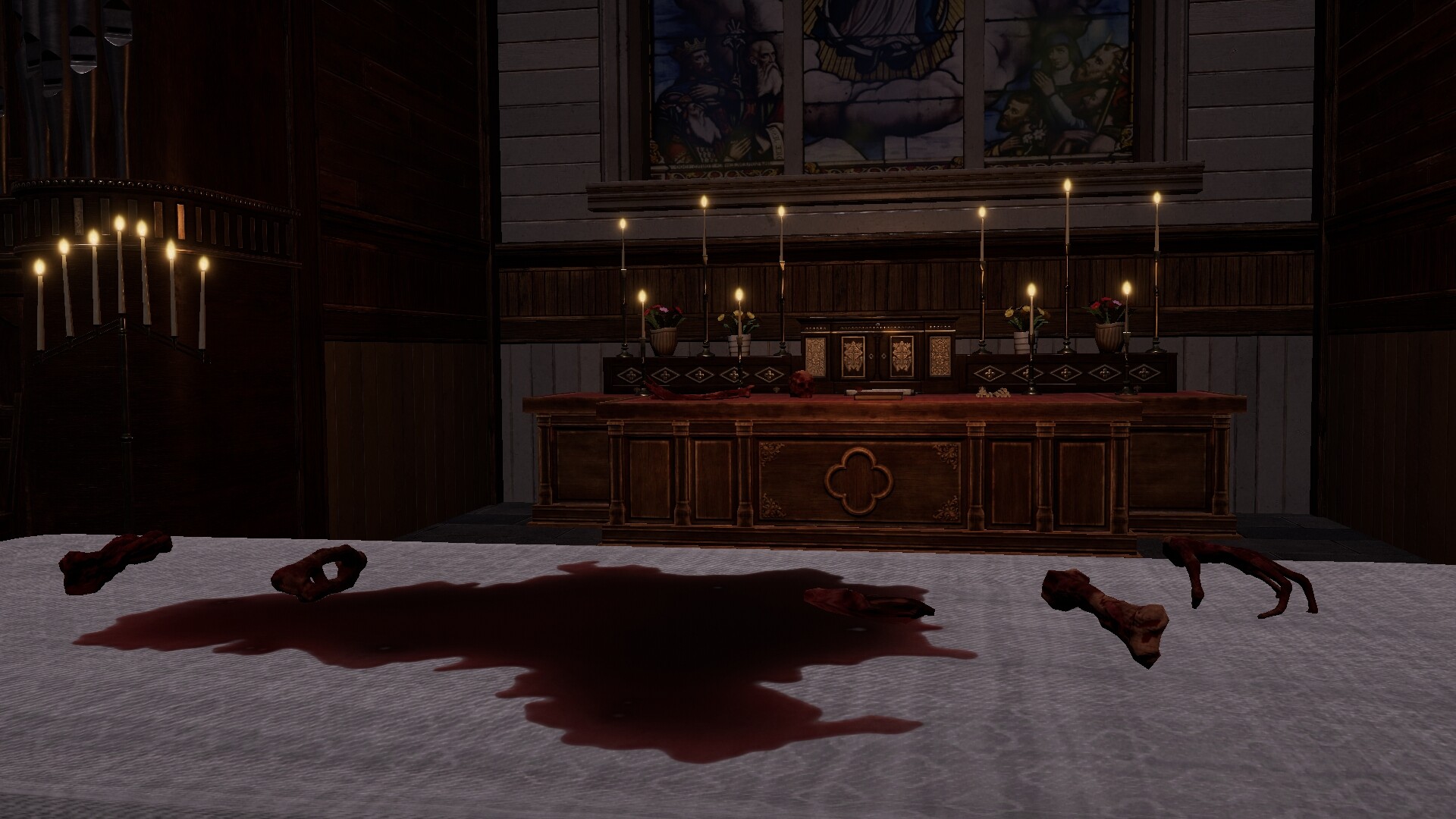
Trace of the Villa drops you into a decaying mansion where investigation is literal: restore systems, pry open secured compartments and follow manifest fragments toward a personal, unsettling end. Released on 28 May, 2026 by Steadyturtle Co., Ltd., this Steam indie mixes environmental storytelling with puzzle-chain momentum to keep mystery players reading every object and corner of its rooms.

Quick facts
| Title | Trace of the Villa |
|---|---|
| Developer | Steadyturtle Co., Ltd. |
| Publisher | Steadyturtle Co., Ltd. |
| Release date | 28 May, 2026 |
| Steam AppID | 3483660 |
| Genres | Action, Adventure, Indie |
| Categories | Single-player, Color Alternatives, Custom Volume Controls, Playable without Timed Input, Subtitle Options, Family Sharing |
What it is — locked-room thinking applied to a mansion mystery
Officially described on its Steam page, Trace of the Villa casts you as Jin, a man chasing leads about a missing sister to an isolated, deliberately forgotten estate. The mansion’s presentation is the engine of the game: rooms that look like people simply vanished, locked doors, safes and secured systems that only reveal new layers when you restore power or unlock a mechanism. That structure places the game firmly in the narrative puzzle niche: each solved container or revived circuit is a clue that chains into the next challenge.
Who this is for
- Players who enjoy atmospheric mystery adventure and reading environmental details for narrative payoff.
- Puzzle fans who prefer chained solutions—solve A to access B to reveal C—rather than isolated minigames.
- Those who value slow-burn suspense, investigative pacing and a story-driven reason to examine objects closely.
- PC players who want accessibility options like subtitle support and custom volume controls, and a single-player focus.
When and where — Steam specifics
Trace of the Villa released on 28 May, 2026 on Steam. It is listed by Steadyturtle Co., Ltd. as developer and publisher and appears under Action, Adventure and Indie tags, with single-player and several accessibility categories noted on its Steam page.
Why the theme matters — identity, erasure and investigation
The mansion is described as “less abandoned than erased”: personal items remain but records and names do not. That absence is the game’s narrative lever—puzzle solutions don’t just open doors, they restore fragments of identity and financial or administrative trails. For players who appreciate investigative tension, the missing-history motif makes every object a potential narrative pivot rather than mere filler.
How you progress — clue chains and environmental reading
The Steam description highlights concrete beats: restoring power, secured systems coming back online, hidden compartments unlocking, and safes revealing encrypted documents and suspicious transfer records. That sequence implies a puzzle-chain design where environmental reading (noticing the outward signs of past occupancy) leads to mechanical actions (power, locks) that yield documentary clues (manifests, records) which then redirect the investigation. Expect momentum that ebbs and surges: a single discovery can suddenly change where you look next.

Player scenarios — how this game will feel in play
- Solo late-night investigator: You prefer methodical moments—tracking down a loose ledger, restoring power to a wing and replaying the implications of a discovered transfer record. The mansion’s hush and missing records amplify each discovery.
- Puzzle-chain completist: You enjoy interlocked problem design where one solved lock opens an interface that alters another puzzle’s context. The game rewards pattern-tracing across rooms rather than isolated puzzle solves.
- Exploration-first storyteller: You read props and architecture as narrative; finding a tampered manifest or an empty photo frame matters more than instant answers. The game’s emphasis on restored systems and encrypted fragments suits that approach.
How it compares — similar mystery and puzzle titles
Below is a focused editorial comparison based on genre, atmosphere, puzzle focus, exploration style, story tone and pacing. These comparisons are descriptive, not endorsements.
| Title | Genre/Tags | Atmosphere & Story Tone | Puzzle Focus | Exploration Style / Pacing |
|---|---|---|---|---|
| Trace of the Villa | Action, Adventure, Indie (Single-player) | Decaying mansion, erased identities, personal investigation | Locked systems, safes, encrypted documents — chained discovery | Slow-burn, investigative; restore systems to unlock new areas |
| The Room | Adventure, Indie (Single-player) | Intimate, tactile mystery centered on a single locked object | Mechanical safe-and-device puzzles with tactile reveals | Focused, room-by-room puzzle progression; tightly contained |
| The Room Two | Adventure, Indie (Single-player) | Expanded atmospheric puzzles with cryptic story beats | Layered mechanical puzzles; puzzle-box progression | Still focused and contained, with longer, interconnected rooms |
| Escape Simulator | Adventure, Casual, Indie (Single-/Multi-player) | Bright, interactive escape rooms — more playful than oppressive | Highly interactive object manipulation; sandbox-like rooms | Fast to medium pacing; modular rooms and community content |
Deciding if you should wishlist it
Wishlist Trace of the Villa if you prioritize environmental storytelling, investigative pacing and puzzle chains that reward careful reading of objects and systems. If you prefer high-action thrills, fast puzzle turnover or community-made room editors, the game’s slow-burn mansion mystery may test your patience.
YouTube discovery
For trailer and gameplay clips, search YouTube via this discovery link (useful for multiple sources): Trace of the Villa — YouTube search results.
View Trace of the Villa on Steam
Disclaimer: referenced titles and trademarks belong to their respective owners. Comparisons in this article are editorial discovery only and not claims of endorsement or affiliation.
Leave a Reply