
Trace of the Villa — how locked-room logic, clue chains, and environmental reading drive the mystery
Trace of the Villa is a single-player, story-first mystery set inside a remote, decaying mansion where Jin follows fragmented manifests and encrypted records to determine whether his missing sister might still be alive. The core of the experience is investigative puzzle-work: restore power, open sealed systems, and follow chains of clues that convert environmental detail into forward momentum.

Quick facts
| Title | Trace of the Villa |
|---|---|
| Developer | Steadyturtle Co., Ltd. |
| Publisher | Steadyturtle Co., Ltd. |
| Steam appid | 3483660 |
| Release date | 28 May, 2026 |
| Genres | Action · Adventure · Indie |
| Key Steam categories | Single-player · Color Alternatives · Custom Volume Controls · Playable without Timed Input · Subtitle Options · Family Sharing |
| Official short description | Jin has spent years searching for his missing sister, pursuing leads that took him to a remote, decaying mansion where he recovered manifests and hints that indicate his sister may still be alive, somewhere at the end of the trail he is about to follow. |
Who should wishlist Trace of the Villa?
- Players who prefer single-player, slow-burn suspense and story-rich adventure focused on investigation rather than combat or fast reflexes.
- Fans of environmental storytelling and document-based puzzles who enjoy reading the room: interpreting staged interiors, missing personal effects, and encrypted financial traces.
- Anyone who values puzzle-chain momentum — where one solution opens systems that produce further, nested clues (power restoration → unlocked systems → encrypted fragments), turning discovery into a trail rather than isolated set-pieces.
What the game is (and what it does mechanically)
Trace of the Villa positions the player as Jin, a protagonist chasing a personal lead inside an off-the-grid mansion that appears deliberately erased of identity. The Steam description highlights a sequence of investigative beats: restoring power to the estate, reactivating secured systems, finding hidden compartments and safes, and recovering fragments of encrypted documents and suspicious transfer records. Each unlocked item supplies more nodes in a chain of clues that gradually expose a concealed operation — falsified identities, arrivals without records, departures without witnesses — and a timeline Jin must reconstruct.

When and where
Trace of the Villa released on Steam on 28 May, 2026. It is presented on Steam as a single-player Action/Adventure/Indie title; the store page lists accessibility features such as subtitle options, color alternatives, custom volume controls, and a mode for playable without timed input.
Why the theme matters — mansion mystery and erased identities
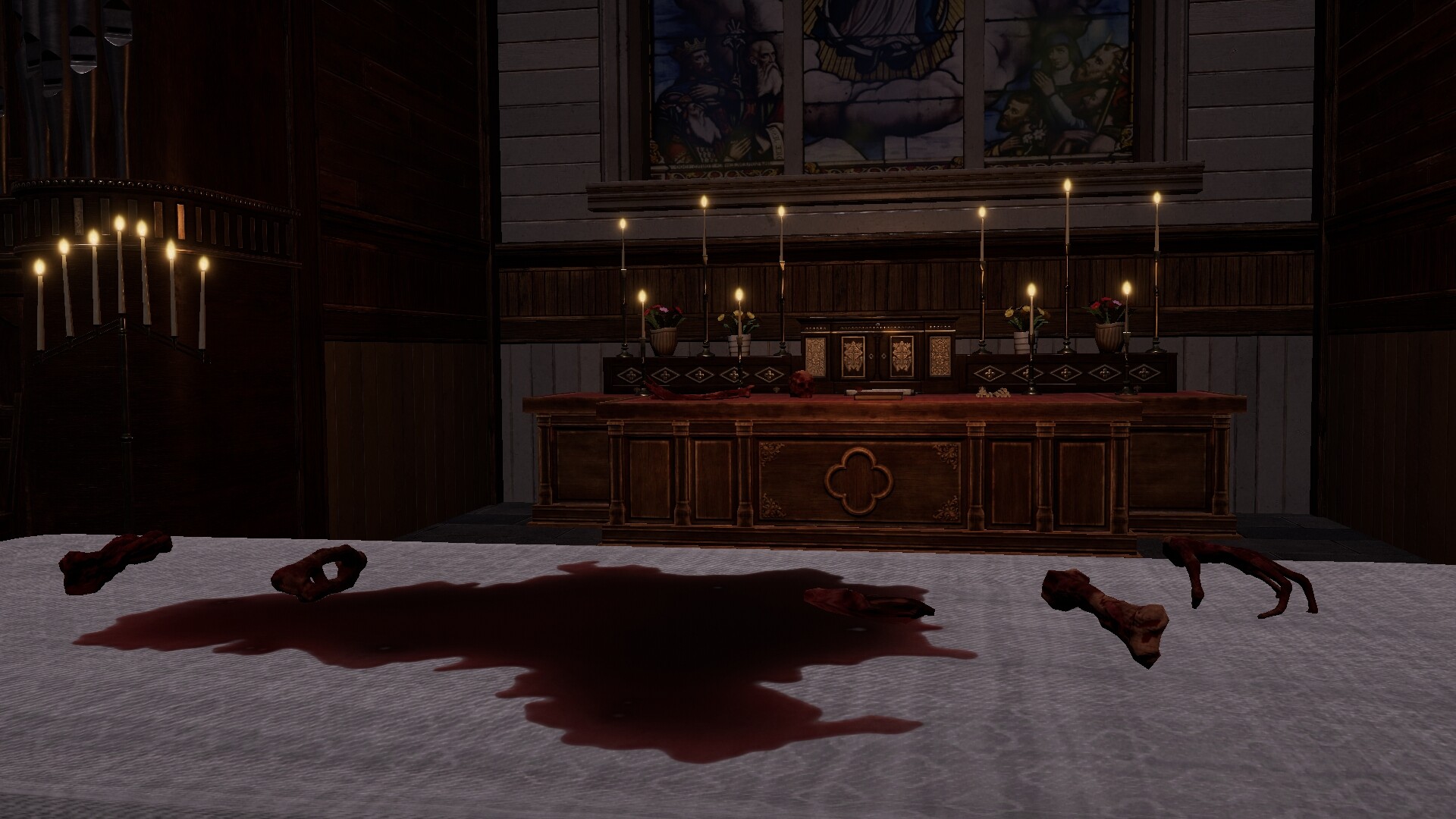
Mansion mysteries thrive on contradiction: a place that looks lived-in yet intentionally anonymized produces cognitive dissonance that fuels curiosity. Trace of the Villa uses that friction as a design lever. The absence of photographs and names — described on the Steam page — forces the player to treat objects themselves as testimony. That absence is not a deficit but a mechanic: the game directs attention to manifests, transfer records, and encryption fragments as primary evidence, which rewards careful environmental reading and patient assembly of puzzle chains.
How you progress: locked-room thinking and puzzle-chain momentum
From the official description we know progression is largely investigative rather than purely mechanical: restoring power brings systems back online; secured compartments and safes yield fragments that must be put into context. That pattern is classic locked-room reasoning applied to a large, semi-open mansion: treat each room as a node, test what it can reveal, then use those revelations to access the next locked node. Expect momentum to come from connecting documents, map fragments, and recovered logs rather than repeated trial-and-error or RNG.
Player scenarios — who will enjoy this and how to approach it
- Methodical solo investigator: You enjoy reading documents, cross-referencing manifests, and building timelines. Play slowly; let each unlocked system supply evidence for the next step.
- Atmosphere-first explorer: The mansion’s staging and missing identities are the hook. If you play for mood and narrative texture, prioritize environmental reading and examine seemingly mundane items for contextual hints.
- Puzzle-chain strategist: If you prefer puzzles that feed into one another, expect solutions to open new investigative threads — safes and restored systems are not ends but starting points for the next clue chain.
How Trace of the Villa compares (editorial discovery)
Below is a compact, editorial comparison to nearby puzzle/mystery experiences. This is not a ranking — it’s a quick way to match player preference to design emphasis: object-focused, room-scale locked puzzles, or more physically interactive escape rooms.
| Title | Primary focus | Atmosphere / story tone | Interaction style | Pacing |
|---|---|---|---|---|
| Trace of the Villa | Document-driven investigation; restoring systems and following financial/encrypted clues (Steam official description) | Decaying mansion, erased identities, slow-burn suspense | Environmental reading, safes/hidden compartments, clue-chain progression | Deliberate, puzzle-chained exploration |
| The Room | Locked-room mechanical puzzles around a cast-iron safe and device interaction (official description) | Curio-driven mystery; singular, tactile puzzle pieces | Object manipulation, focused puzzle boxes | Compact, tightly focused puzzle sessions |
| The Room Two | Expanded locked-room puzzles across multiple connected locales (official description) | Cryptic, atmospheric exploration; similar tactile puzzle focus | Object-based puzzles and sequence solving | Moderate — multiple linked encounters |
Escape Simulator
Steam pageView Trace of the Villa on Steam YouTube discoveryFor trailer and gameplay discovery, use YouTube search rather than relying on unverified embeds: Find Trace of the Villa trailer and gameplay searches on YouTube. CommentsMore posts |
Leave a Reply