
Trace of the Villa — an escape-room style mystery built around clue chains and environmental reading
Trace of the Villa is a story-rich, atmospheric mystery adventure from Steadyturtle Co., Ltd. where Jin follows a trail of manifests and encrypted fragments through a decaying, off-grid mansion to seek his missing sister.
The game leans on locked-room thinking, layered clue chains and environmental storytelling to move a slow-burn investigation forward.

Quick facts
| Title | Trace of the Villa |
|---|---|
| Steam appid | 3483660 |
| Release date | 28 May, 2026 |
| Developer / Publisher | Steadyturtle Co., Ltd. |
| Genres | Action, Adventure, Indie |
| Categories | Single-player; Color Alternatives; Custom Volume Controls; Playable without Timed Input; Subtitle Options; Family Sharing |
| Premise (official) | Jin has spent years searching for his missing sister, pursuing leads that took him to a remote, decaying mansion where he recovered manifests and hints that indicate his sister may still be alive, somewhere at the end of the trail he is about to follow. |
Who this is for
Trace of the Villa will suit players who prefer investigative pacing over constant action: people who enjoy atmospheric mystery adventure, environmental storytelling that rewards careful observation, and puzzle chains that unlock narrative fragments instead of quick reflex tests.
The Steam page lists accessibility-friendly categories such as “Playable without Timed Input” and “Subtitle Options,” which is useful for players who want to focus on reading the scene and clue interplay without time pressure.
What the game is (and what to expect)
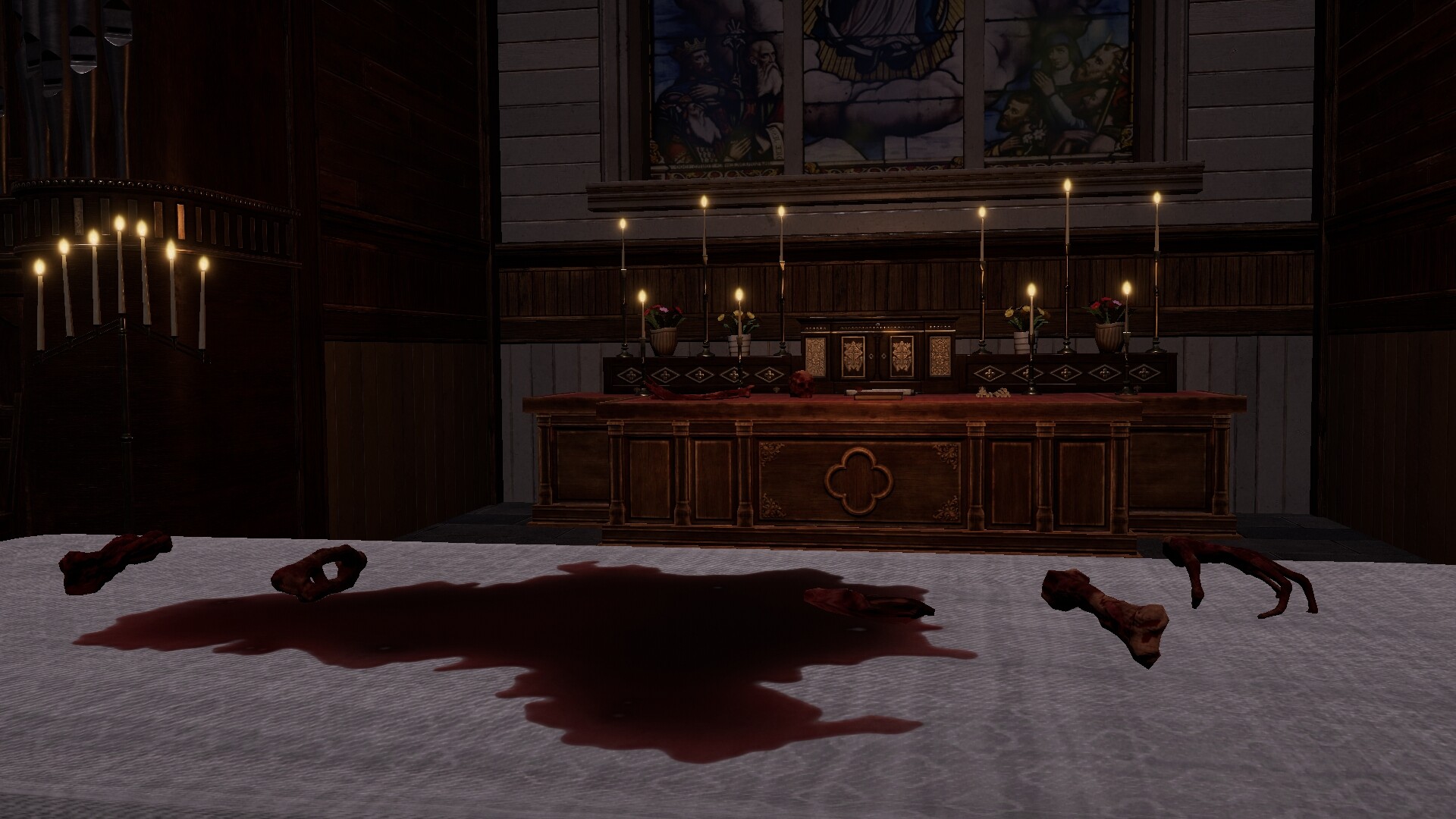
According to the official Steam description, Trace of the Villa opens with Jin uncovering a decaying mansion cut off from the grid. Rooms feel “erased” rather than simply abandoned: furnishings, locked doors, hidden compartments, safes and encrypted documents are revealed when power is restored, and each solved puzzle yields another fragment of a larger, suspicious operation.
That framing positions the title as an environmental, clue-driven investigation with an emphasis on narrative puzzle design: you read the scene, restore systems, and translate recovered fragments into the next step of the trail.

When and where: Steam / PC context
Trace of the Villa released on Steam on 28 May, 2026. It is presented on Steam as a PC title by Steadyturtle Co., Ltd., listed under Action, Adventure and Indie, and marked for single-player play with options that support accessibility and family sharing.
If you prioritise PC mystery games with subtitle support and no timed input, the Steam metadata flags this as compatible with that playstyle.
How you progress: locked-room thinking, clue chains and environmental reading
The game’s design, per the official description, structures progress around restoring the estate’s systems and following the consequences: when Jin restores power, “secured systems come back online. Hidden compartments unlock. Safes yield fragments of encrypted documents and suspicious transfer records.” That sequence is a literal example of locked-room logic moving into puzzle-chain momentum — one solved system opens a new set of clues that must be read in context to progress.
Practically, expect these behaviors:
– Environmental reading: personal belongings, room layouts and the conspicuous absence of photos or names tell a story without text.
– Clue chaining: artifacts (manifests, encrypted fragments, transfer records) are both narrative beats and functional puzzle outputs that point to next steps.
– System restoration: turning power back on or reactivating devices is a mechanical beat that unlocks new interactions rather than serving as mere set dressing.
Player scenarios — who will enjoy it most
Scenario A: You enjoy methodical, interpretive puzzles — You like reading notes, cross-checking manifests and following a chain of evidence that gradually reframes what you thought you knew. Trace of the Villa’s manifest-and-fragment structure fits that rhythm.
Scenario B: You prefer exploration with narrative hooks — If you want exploration that always leads to a clue or document pushing the story forward, the mansion’s locked compartments and powered systems provide a steady sequence of discoveries.
Scenario C: You dislike timed reflex tests — The Steam metadata lists “Playable without Timed Input,” which signals the design favors thoughtful investigation rather than speed runs or twitch mechanics.
How it compares — concise editorial table
| Title | Release | Genres / Focus | Puzzle & Atmosphere Notes |
|---|---|---|---|
| Trace of the Villa | 28 May, 2026 | Action, Adventure, Indie | Environmental storytelling, locked-room sequences, clue chains driven by recovered manifests and encrypted fragments (official Steam description) |
| The Room | 28 Jul, 2014 | Adventure, Indie | Mystery-focused single-player puzzler centred on safe-like, tactile puzzle boxes and physical contraptions (topic research description) |
| The Room Two | 5 Jul, 2016 | Adventure, Indie | Continues the tactile, contained-puzzle design with cryptic environments and narrative prompts (topic research description) |
| Escape Simulator | 19 Oct, 2021 | Adventure, Casual, Indie, Simulation | Highly interactive escape-room toolkit with object manipulation and community rooms — emphasis on interactive physics and room design (topic research description) |
| Hi‑Fi RUSH | 25 Jan, 2023 | Action | Rhythm-synced action game with strong audiovisual pacing — unlike the others, it is action-focused rather than clue-driven exploration (topic research description) |
How Trace of the Villa differs from nearby mystery/puzzle games
Use this quick rubric: if you want tactile contraption puzzles (The Room series) or a sandbox of interactive rooms (Escape Simulator), those games emphasise physical puzzle mechanics and, in Escape Simulator’s case, player-created content. Trace of the Villa, per its official text, leans more into a narrative-investigation loop where restoring estate systems, decrypting documents, and following financial transfer records create momentum. It’s less about one-off puzzle boxes and more about reading a place as evidence.
Where to watch trailers / gameplay
For trailers and gameplay clips, search YouTube with the phrase “Trace of the Villa trailer gameplay” — here is a discovery path you can use: YouTube search for Trace of the Villa trailer & gameplay.
This search link is provided as a discovery route; the Steam metadata does include a trailer thumbnail but does not list a verified official YouTube video in the data provided here.
Decide whether to wishlist
Wishlist Trace of the Villa if you prioritise slow-burn suspense, reading environmental clues and following a chain of narrative fragments rather than reflex-driven combat or level-based puzzle gauntlets.
If you prefer tactile puzzle boxes, physics interactions or competitive co-op escapes, compare the samples above — Trace of the Villa’s strengths are atmosphere and investigative momentum.
View Trace of the Villa on Steam
Disclaimer: referenced titles and trademarks belong to their respective owners; comparisons above are editorial discovery only
Leave a Reply