Trace of the Villa: where locked-room logic meets clue-chain momentum
Trace of the Villa drops you into a decaying mansion investigation where small object clues and chained puzzles drive both discovery and dread. Developed and published by Steadyturtle Co., Ltd., it frames its mystery around Jin’s search for a missing sister and asks players to read environments the way an investigator reads evidence.

Quick facts
| Title | Trace of the Villa |
|---|---|
| Developer / Publisher | Steadyturtle Co., Ltd. |
| Release date | 28 May, 2026 |
| Steam genres | Action, Adventure, Indie |
| Key categories | Single-player; Color Alternatives; Custom Volume Controls; Playable without Timed Input; Subtitle Options; Family Sharing |
| Steam appid | 3483660 |
Who should wishlist this
If you prefer atmospheric mystery adventure with a slow-burn investigative rhythm, this is aimed at you. Trace of the Villa is best for players who enjoy environmental storytelling, following chains of small object clues, and thinking in locked-room terms — resolving one sealed mystery to unlock the next.
What the game actually is
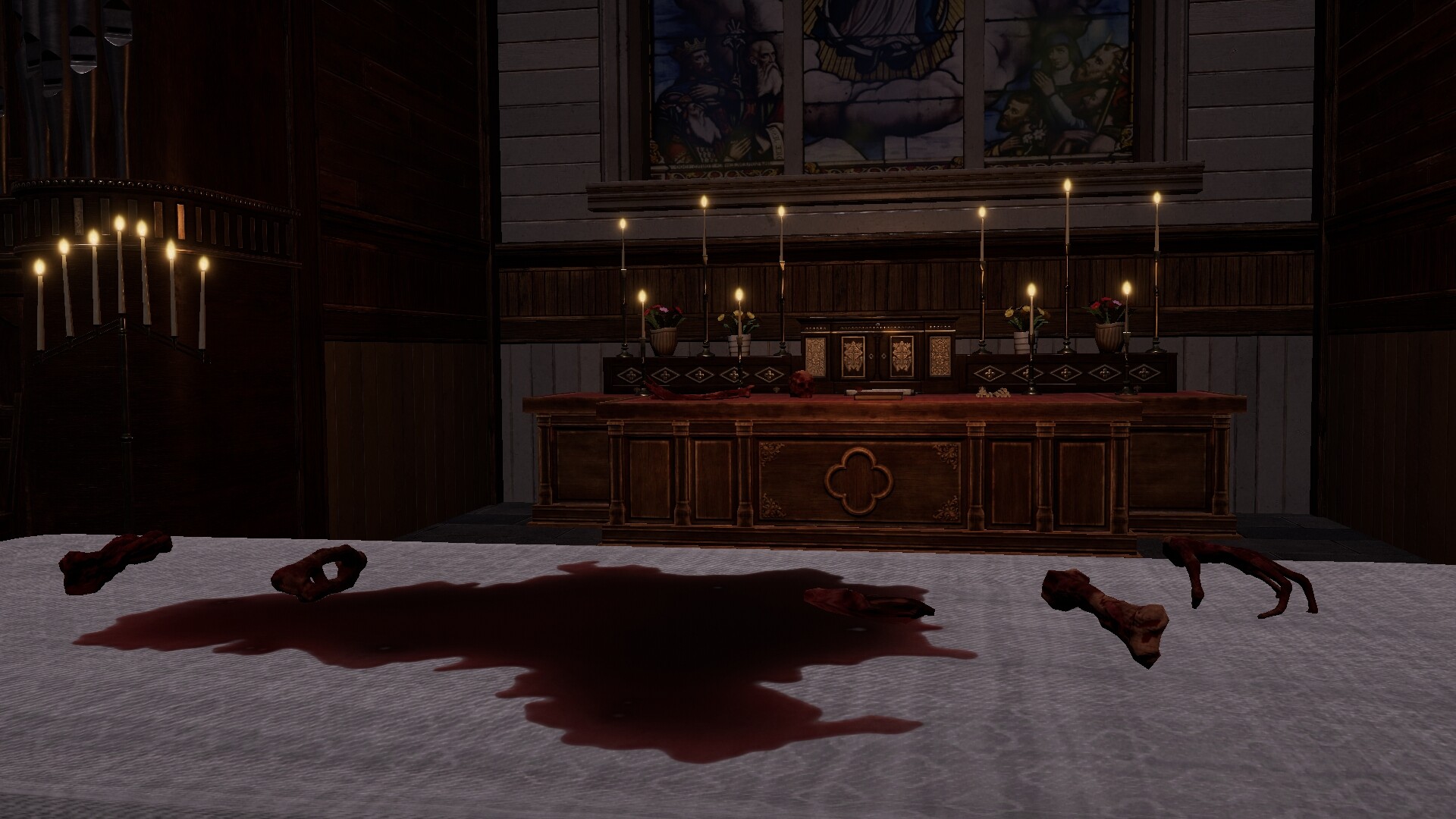
According to the official Steam description, you play Jin, a protagonist who has chased leads to a remote, deliberately forgotten mansion. The house contains furnished rooms that feel “erased” of identity, secured systems that react when power is restored, and safes and compartments that yield encrypted fragments and suspicious transfer records. The narrative is built around uncovering a layered, concealed operation as you piece together a timeline of anonymous arrivals and departures.

When and where (Steam/PC context)
Trace of the Villa released on Steam on 28 May, 2026. It appears as a single-player PC title on Steam with accessibility options such as color alternatives, custom volume controls, subtitle options, and settings that support play without timed input.
Why the mansion mystery matters
The premise — a house that seems “erased” and locked systems that yield fragments — relies on two complementary design goals: psychological investigation and emergent puzzle narrative. Instead of spectacle, the game traffics in inference. Each recovered manifest, encrypted fragment, or falsified record is a node in a chain; as those nodes link, momentum builds from quiet environmental reading rather than from combat or spectacle.
How you solve things: locked-room thinking, clue chains, and environmental reading
Trace of the Villa structures progress like an escape-room puzzle chain. Expect to:
- Scan rooms for small object clues — a ledger entry, a deliberately missing photograph, residue on a shelf.
- Use recovered items to trigger secured systems and access hidden compartments.
- Translate fragments (manifests, encrypted documents) into next steps; one solved safe often points to a different wing or a different kind of puzzle.
- Read the environment for narrative context: furniture placement, abrupt personal items, and gaps where identities should be.
That means momentum comes from chaining very specific discoveries: find a hint, apply it to a lock, reveal a record, interpret the record, then move to the next locked area. If you like methodical puzzle loops with story payoffs, that loop is the core of the experience.
Player scenarios — who will enjoy this and why
Scenario A: The methodical detective
You favor slow-pacing and inference. You’re happiest cataloguing tiny details, cross-referencing manifests, and patiently reconstructing what’s missing from a place. The lack of timed input and subtitle options make this a comfortable single-player investigation.
Scenario B: The escape-room fan
If you like escape-room design — chained locks, environmental hints, and the “Aha” of combining two unrelated objects — Trace of the Villa’s locked-room thinking will land well. It’s a psychological escape-room in a narrative wrapper rather than a set-piece puzzle arcade.
Scenario C: The story-first explorer
You come for a story that rewards reading the room. The game’s evidence-driven storytelling (manifests, transfer records, falsified identities) focuses on piecing together an operation rather than delivering jump-scare horror; if you prefer narrative puzzle design to constant action, that’s a fit.
How it compares to nearby puzzle/mystery picks
Below is a concise editorial comparison focusing on genre, atmosphere, puzzle focus, exploration style, story tone, and pacing so you can judge fit without hype.
| Title | Genre / Tone | Puzzle focus | Exploration / Pacing | Player fit |
|---|---|---|---|---|
| Trace of the Villa | Action / Adventure / Indie — mansion mystery, investigative | Item-based clue chains, locked-room systems, encrypted fragments | Methodical, environmental reading; slow-burn momentum | Players who want narrative-driven puzzle chains and detective-style inference |
| The Room | Adventure / Indie — intimate mechanical mystery | Single-object mechanical puzzles, tactile lockboxes | Concentrated, tactile puzzle rooms; deliberate pacing | Fans of handcrafted object puzzles and tactile problem-solving |
| The Room Two | Adventure / Indie — expanded mechanical mystery | Layered object puzzles across interconnected chambers | Similar focused pacing with more variety across rooms | Players who enjoyed The Room and want broader scope |
| Escape Simulator | Adventure / Casual / Indie — community rooms and interactive props | Highly interactive rooms, physical object manipulation | Variable pacing, from quick rooms to complex community-made scenarios | Players who want highly interactive escape-room mechanics and co-op options |
| Hi-Fi RUSH | Action — rhythm-based combat/adventure | Action and timing rather than environmental puzzle chains | Fast-paced, beat-synced progression | Players looking for action and rhythm mechanics, not slow investigative puzzles |
Use these distinctions to decide whether you value the environmental, evidence-based momentum of Trace of the Villa or prefer mechanics more focused on tactile boxes, community rooms, or action rhythm.
YouTube discovery
For trailer or gameplay videos, search YouTube for Trace of the Villa — this query is a recommended discovery path: Search Trace of the Villa on YouTube. (This is a discovery link; specific videos should be checked for official verification.)
Closing guidance
If your primary pleasure in puzzle games is connecting small, localized discoveries into a larger narrative — decoding manifests, restoring systems, and following secrecy through locked doors — add Trace of the Villa to your wishlist. If you prefer fast action, large-scale exploration, or multiplayer puzzle play, consider the comparisons above before deciding.
Steam link
Legal & editorial disclaimer
Referenced titles and trademarks belong to their respective owners. Comparisons are editorial discovery only and do not imply endorsement, sponsorship, or official connection between those titles and Trace of the Villa.
Leave a Reply