
Trace of the Villa — how locked-room logic and clue chains shape a mansion mystery
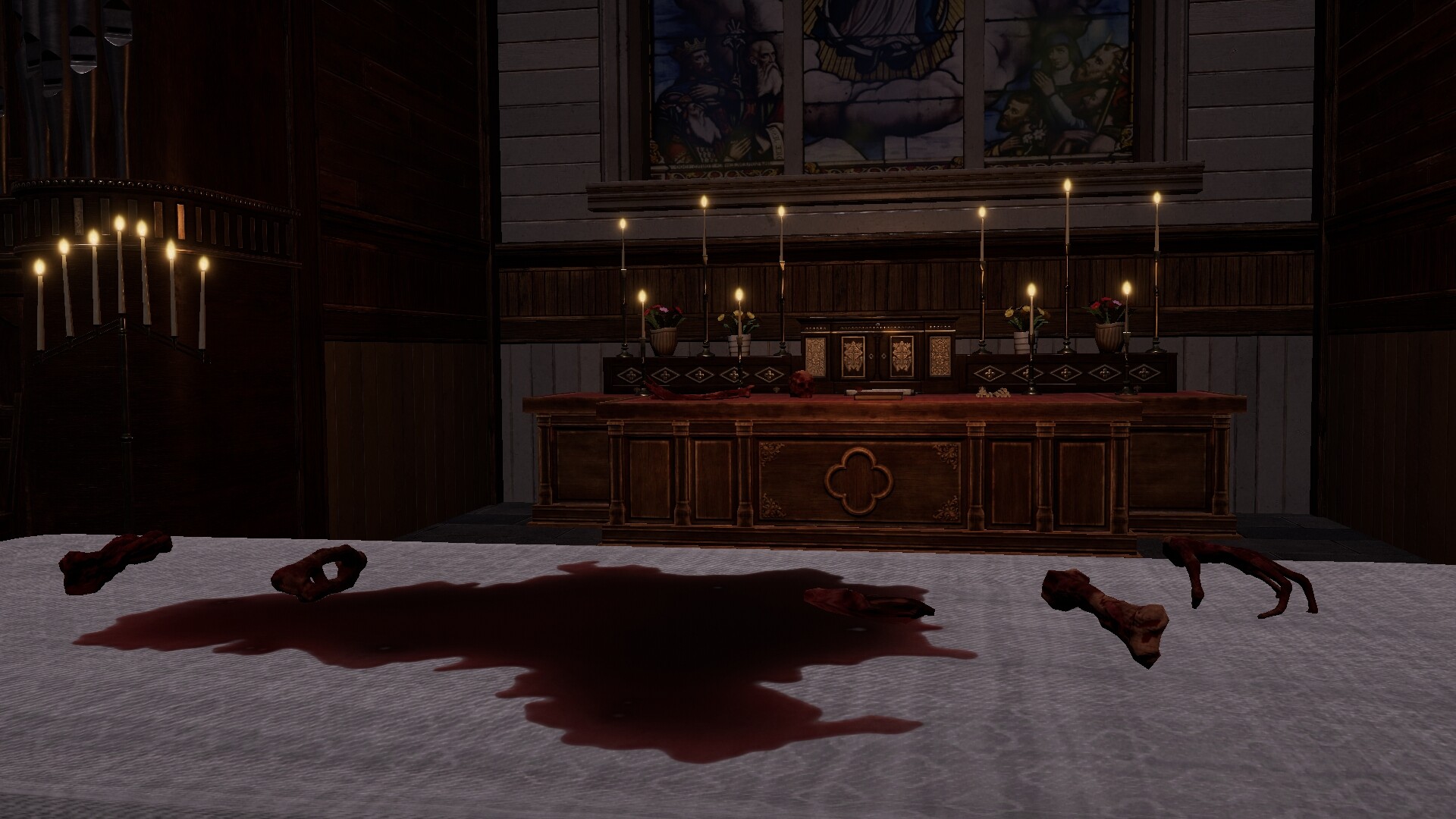
Trace of the Villa frames its mystery around a decaying mansion and a single, personal trail: Jin’s search for his missing sister. The Steam store page sets up slow-burn investigation that leans on environmental reading, restored systems, and layered puzzles rather than action spectacle.
Who this is for
Players who prefer atmospheric mystery adventure and narrative puzzle design over twitch reflexes. If you like methodical clue hunting, working through chains of objects and documents, and interpreting an environment that tells a story through what’s left behind, Trace of the Villa is aimed at you. The Steam listing also shows accessibility-friendly categories (Color Alternatives, Custom Volume Controls, Subtitle Options, and Playable without Timed Input), which underline a design leaning toward paced investigation rather than timed trial-and-error.
What the game is
Trace of the Villa is an Action / Adventure / Indie title developed and published by Steadyturtle Co., Ltd. The premise on Steam is explicit: Jin has spent years searching for his missing sister and follows a lead to a remote, decaying mansion where manifests and hints suggest she may still be alive. The mansion’s systems, hidden compartments, safes, and encrypted documents are presented on the product page as the principal sources of evidence you’ll piece together.


When and where
Trace of the Villa released on 28 May, 2026 and is listed on Steam for PC. The store page is the primary place to wishlist or buy; use the Steam listing for technical details and system requirements.
Why the mansion theme matters here
The Steam description emphasizes erasure as a narrative engine: rooms furnished as if people vanished mid-routine, identities removed, and a silence that suggests deliberate concealment. That setup directs the design toward environmental storytelling—you learn what happened by reading the scene, reconstructing events from objects, manifests, and transfer records. When a game commits to that “erased life” motif, puzzles tend to be investigative (decrypt this fragment, reconnect a timeline, interpret a staged room) rather than abstract lock-and-key riddles that exist purely for gating.
How you read clues and maintain puzzle-chain momentum
Trace of the Villa’s Steam text calls out specific investigative beats: restoring power, unlocking hidden compartments, safes yielding fragments of encrypted documents, and financial trails that require assembly. Those details indicate a puzzle-chain design where one solved element powers the next—literally and narratively. For players, that means:
- Prioritize environmental reading: props, furnishings, and gaps in documentation are the breadcrumbs.
- Expect multi-step problems: a found manifest or partial key triggers a search for related objects or systems (power, safes, encryption keys).
- Use restoration mechanics as momentum: bringing systems online not only opens new spaces but also pushes forward the timeline and reveals new clues.
Because the store lists “Playable without Timed Input,” you can approach those chains deliberately rather than under pressure—useful for players who map connections across rooms instead of relying on reflex-based solutions.
Compact facts
| Title | Trace of the Villa |
|---|---|
| Steam appid | 3483660 |
| Release date | 28 May, 2026 |
| Developer / Publisher | Steadyturtle Co., Ltd. |
| Genres | Action, Adventure, Indie |
| Key categories | Single-player; Color Alternatives; Custom Volume Controls; Playable without Timed Input; Subtitle Options; Family Sharing |
How it compares to nearby mystery/puzzle games
Below is a focused editorial comparison on puzzle focus, atmosphere, exploration style, and pacing to help decide if Trace of the Villa fits your tastes.
| Title | Puzzle focus | Atmosphere | Exploration style | Pacing / Player fit |
|---|---|---|---|---|
| Trace of the Villa | Clue chains, environmental puzzles, encrypted documents and safes (story-led investigation). | Slow-burn, decaying mansion with themes of erasure and concealed operations. | Single-player, room-to-room reconstruction; systems restoration plays a role. | Methodical; fits players who prefer reading spaces and linking clues without timed input. |
| The Room | Focused mechanical puzzle boxes and safe-like devices (note: classic locked-box puzzles). | Isolated, mysterious; tactile interrogation of objects. | Primarily object-centric; you examine and manipulate individual puzzle artifacts. | Designed for concentrated single-room puzzle solving; suits players who like object puzzles over narrative logs. |
| The Room Two | Similar to The Room — layered mechanical puzzles with an escalating sense of discovery. | Cryptic, uncanny; extends the object-driven tone of the first game. | Artifact and environment interactions focused on puzzle boxes and mechanisms. | Best for players who enjoy intricate mechanical puzzles and tactile problem-solving. |
| Escape Simulator | Highly interactive physics and item-based puzzles; supports solo and online co-op. | Varies by room—can be light, playful, or puzzle-heavy depending on the map. | Room-based, sandbox interactions with an emphasis on item manipulation and community-made rooms. | Great for players who like mechanical experimentation and social co-op; less focused on narrative through documents. |
| Hi‑Fi RUSH | Not puzzle-focused; action and rhythm-based combat and progression. | Bright, energetic, and musical—contrasts with mansion mystery tones. | Action-driven exploration tied to combat and music sync systems. | For players seeking action/rhythm rather than investigation; included here as a tonal contrast. |
Player scenarios — who will get the most out of Trace of the Villa
- Slow-burn detectives: You enjoy assembling timelines from fragments and appreciate narrative payoff as each puzzle unlocks more context.
- Environmental readers: You prefer to interpret staged spaces and piece together meaning from props and omissions rather than explicit exposition.
- Puzzle-chain fans: You like when one solved mystery opens another, creating a satisfying momentum of discovery.
- Accessibility-minded players: The Steam categories indicate subtitle options, color alternatives, and no requirement for timed input—useful if you want a measured investigative pace.
YouTube discovery
If you want trailer or gameplay footage, use this YouTube search path (search results may include trailers and player videos; not all are official): View Trace of the Villa on Steam
YouTube discovery
For trailer and gameplay discovery, use YouTube search rather than relying on unverified embeds: Find Trace of the Villa trailer and gameplay searches on YouTube.
Leave a Reply