
Trace of the Villa: Where locked-room logic meets puzzle-chain momentum
Trace of the Villa drops you into Jin’s cold trail — a decaying, deliberately forgotten mansion where restored power, safes and hidden compartments peel back a stitched-together operation. Released on 28 May, 2026 by Steadyturtle Co., Ltd., it frames environmental reading and object clues as the means to follow a single stubborn lead toward the story’s end.

Who this is for
If you favour story-rich adventure with a mystery bent — players who prize environmental storytelling, slow-burn suspense, and puzzle chains that reward careful observation — Trace of the Villa is aimed at you. The Steam listing positions it as a single-player experience (Action / Adventure / Indie) with accessibility options like Subtitle Options, Playable without Timed Input, Color Alternatives, and Custom Volume Controls, which is useful for players who dislike pressure-based puzzles.
What the game is
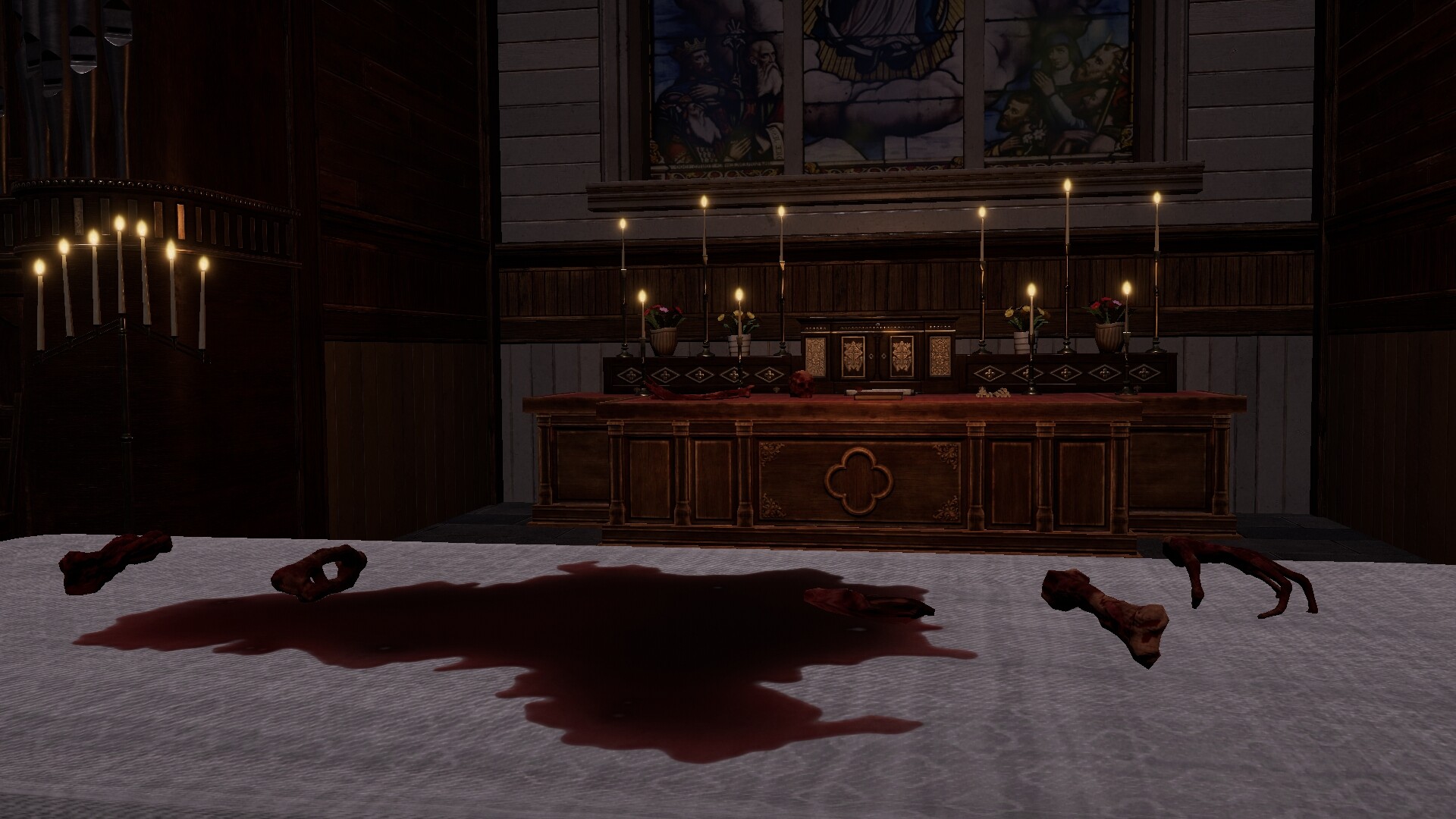
Trace of the Villa puts you in the shoes of Jin, a protagonist searching for his missing sister. According to the official Steam description, Jin finds a decaying mansion cut off from the grid where rooms appear “erased” rather than simply abandoned. Restoring power triggers secured systems, hidden compartments, safes, and fragments of encrypted documents — each solved puzzle reveals another layer of falsified identities and financial trails. The emphasis is on clue-driven exploration and narrative puzzle design rather than fast action set pieces.
When and where
Trace of the Villa released on Steam on 28 May, 2026. It’s listed on Steam as a PC title (Single-player) and is available via its store page:
Why the theme matters
The game’s core is a locked-room sensibility applied at mansion scale: identities removed, systems deliberately sealed, and an atmosphere that treats objects as testimony. That makes the theme resonant for players who enjoy psychological investigation and reconstruction of absence — reading the residue left behind to infer what could not be recorded. Where some mystery games lean on jump scares or inventory juggling, the Steam description frames Trace of the Villa around procedural unmasking: power returns, safes open, documents decrypt, and the house’s purpose clarifies.
How you read clues and progress
Progress in Trace of the Villa is presented as a chain of interlocking discoveries. Steam’s official text highlights gameplay beats you should expect: restoring power to the estate, reactivating secured systems, opening hidden compartments and safes, and assembling fragments of encrypted documents and transfer records. That describes a linear puzzle-chain momentum where one solved enclosure or decrypted file tends to unlock the next lead — locked-room thinking at the level of rooms, systems, and documents. Expect much of your playtime to be spent close-reading environments, testing objects as evidence, and using newly revealed items or data to advance the timeline.

Compact facts
| Title | Trace of the Villa |
|---|---|
| Steam AppID | 3483660 |
| Release date | 28 May, 2026 |
| Developer | Steadyturtle Co., Ltd. |
| Publisher | Steadyturtle Co., Ltd. |
| Genres | Action, Adventure, Indie |
| Key categories | Single-player; Playable without Timed Input; Subtitle Options; Color Alternatives; Custom Volume Controls; Family Sharing |
| Short premise | Jin follows leads to a remote, decaying mansion where manifests and hints suggest his missing sister may still be alive. |
How it compares — quick editorial table
Comparisons focus on atmosphere, puzzle focus, exploration style and pacing to help you decide whether Trace of the Villa suits your tastes.
| Title | Atmosphere / Tone | Puzzle focus | Exploration style | Pacing / Player fit |
|---|---|---|---|---|
| Trace of the Villa | Slow-burn mansion mystery with psychological investigation elements | Clue-chain puzzles, safes, encrypted documents, system restoration (per Steam description) | Linear, environment-driven; rooms reveal sequential leads | For players who like reading objects and following narrative threads rather than speed |
| The Room | Claustrophobic, tactile mystery centered on a single locked device (per public descriptions) | Mechanical, box-centric puzzles with forensic inspection of a safe | Focused, single-room spotlight exploration | Best for players who enjoy intimate, mechanical puzzle design |
| The Room Two | Expands The Room’s eerie tone into multiple locales with a cryptic narrative | Box-and-mechanism puzzles with layered reveals | Chained rooms and set-pieces | Players who liked the original and want more atmospheric puzzle sequences |
| Escape Simulator | Bright, interactive escape rooms with playful variety | Highly interactive object puzzles, physics, and emergent solutions | Room-to-room, sandbox-y; supports user-made rooms | Good for players who want tool-driven interaction and co-op possibilities |
| Hi‑Fi RUSH | Rhythmic, action-oriented and upbeat (musical combat focus) | Action and timing tied to music rather than environmental puzzles | Linear action-adventure with set combat encounters |
Leave a Reply