Trace of the Villa — an atmospheric, clue-driven mansion mystery on Steam
Trace of the Villa positions itself as a slow-burn, story-rich adventure about a man named Jin tracing leads to a remote, decaying mansion where clues suggest his missing sister may still be alive. Released 28 May, 2026 by Steadyturtle Co., Ltd., the game mixes environmental storytelling with chained puzzles and investigation that unfold as systems and secrets come back online.

Quick facts
| Title | Trace of the Villa |
|---|---|
| Steam appid | 3483660 |
| Release date | 28 May, 2026 |
| Developer / Publisher | Steadyturtle Co., Ltd. |
| Genres | Action, Adventure, Indie |
| Key categories | Single-player; Playable without Timed Input; Subtitle Options; Color Alternatives; Custom Volume Controls; Family Sharing |
| Short premise | Jin investigates a decaying, off-grid mansion and recovers manifests and hints suggesting his sister may still be alive. |
Who is Trace of the Villa for?
This is for players who prefer atmospheric mystery adventure and narrative puzzle design over twitch reflexes: those who like methodical, clue-linked progression, environmental reading, and psychological investigation. The Steam categories and description point to a single-player experience with accessibility options (subtitles, color alternatives, custom volume) that suits patient explorers rather than speedrun-oriented crowds.
What the game is
Trace of the Villa follows Jin’s search for his missing sister inside a deliberately abandoned mansion. According to the official Steam description, the house feels “less abandoned than erased” — rooms appear frozen mid-routine, personal items remain but key identifiers are missing, and locked doors hide secured secrets. Restoring power makes otherwise hidden systems reveal fragments: encrypted documents, suspicious transfer records, and other puzzle-rewarding evidence.
When and where
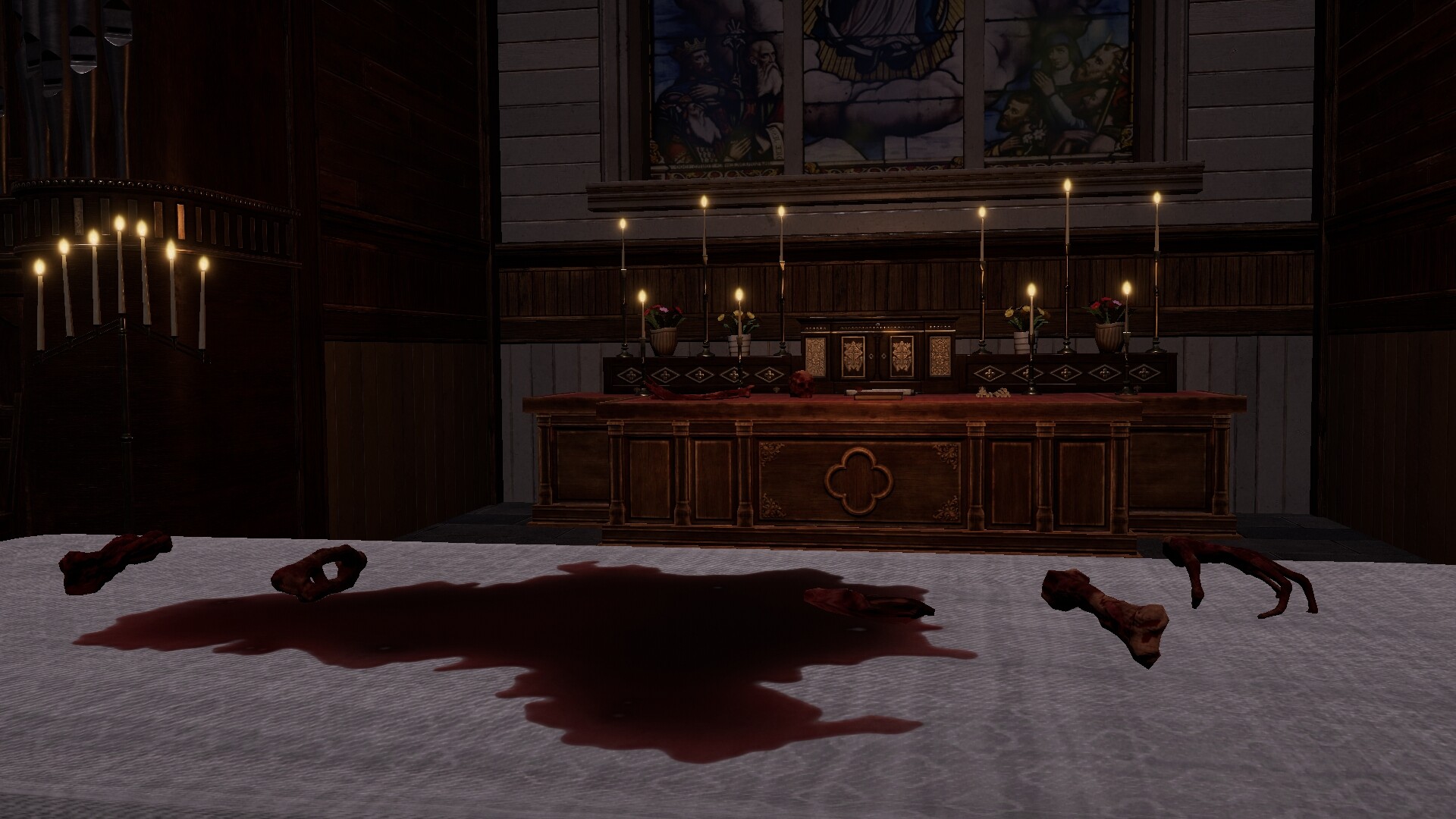
Trace of the Villa released on Steam on 28 May, 2026. The Steam page lists the developer and publisher as Steadyturtle Co., Ltd., and the store presence includes header art and multiple screenshots provided on the app page.
Why the theme matters — locked-room thinking and narrative stakes
Locked-room thinking is central to the tone: the mansion is presented as a closed system where small, connected discoveries reframe the larger mystery. The official text emphasises erased identities and falsified records, which changes how you read seemingly mundane objects — a ledger entry, a powered-off console, or a sealed compartment — turning them into pieces of a chain that lead from a local clue to a broader institutional pattern. For players who enjoy uncovering motive through evidence rather than exposition, that detective-style momentum is the main draw.
How puzzle chains and environmental reading drive progression
The Steam description explicitly says that when Jin restores power, “secured systems come back online” and “hidden compartments unlock.” That gives a clear design signal: the game stages reveal mechanics as investigation progresses. Expect multi-step puzzles where finding a manifest or restoring a circuit unlocks another clue, and that clue points to a different room or system. The flow is less about isolated riddles and more about chained discoveries that recontextualize earlier findings.
Player scenarios — who should wishlist it (and who should wait)
- Wishlist if: you enjoy slow-burn suspense, reading environments for story, and piecing together timeline fragments from documents, safes, and powered systems.
- Consider waiting if: you prefer fast-paced action, co-op puzzle chaos, or arcade-style escape rooms with multiplayer and destructible interactions; Trace of the Villa focuses on single-player investigation and atmosphere.
- Accessibility note: Steam metadata lists subtitle options, color alternatives, and custom volume controls, which are useful for players who need textual or visual accommodations.
Screenshots

How Trace of the Villa compares to other mystery/puzzle games
Below is a focused editorial comparison on genre, atmosphere, puzzle focus, exploration style, story tone, and pacing to help decide fit. These are editorial observations based on official descriptions and game context — not endorsements.
| Title | Genre / Focus | Atmosphere / Story Tone | Puzzle approach | Exploration / Pacing | Best for players who… |
|---|---|---|---|---|---|
| Trace of the Villa | Action / Adventure / Indie — narrative mystery | Decaying mansion, erased identities, investigative unease | Chained clues, systems that reveal content when powered, document-led evidence | Deliberate, single-player, story-led progression | Prefer environmental storytelling and slow-burn detective work |
| The Room | Adventure / Indie — locked-object puzzler | Mystical, intimate, tightly focused on artifact mystery | Mechanical puzzles, tactile safe-and-box solving | Room-by-room, tightly scoped; puzzle-focused | Like tactile mechanical puzzles in confined spaces |
| The Room Two | Adventure / Indie — expanded mystery puzzles | Cryptic, atmospheric, puzzle-centric | Complex mechanical puzzles across linked environments | Still puzzle-first but broader spatial scope than original | Appreciate handcrafted, intricate puzzle devices with strong atmosphere |
| Escape Simulator | Adventure / Simulation / Indie — interactive escape rooms | Playful, physics-driven, often community-made tones | Highly interactive objects, physics, co-op-friendly puzzles | Flexible pacing with lots of object interaction and modifiable rooms | Prefer sandboxy, interactive escape rooms and multiplayer co-op |
YouTube discovery
Looking for trailers or gameplay clips? Search YouTube for official or community videos: Trace of the Villa trailer & gameplay (YouTube search). This link is provided for discovery; it is not a verified claim about a specific official video.
Leave a Reply