
Trace of the Villa: where locked-room logic and clue chains meet atmospheric mansion mystery
Trace of the Villa sends you into a remote, decaying mansion as Jin, a protagonist chasing leads about his missing sister. The game was developed and published by Steadyturtle Co., Ltd. and released on Steam on 28 May, 2026.

Quick facts
| Title | Trace of the Villa |
|---|---|
| Steam AppID | 3483660 |
| Release date | 28 May, 2026 |
| Developer / Publisher | Steadyturtle Co., Ltd. |
| Genres | Action, Adventure, Indie |
| Steam categories & accessibility | Single-player; Color Alternatives; Custom Volume Controls; Playable without Timed Input; Subtitle Options; Family Sharing |
What the game is
Trace of the Villa is a story-rich exploration/puzzle adventure built around environmental reading and chained puzzles. According to the Steam page, Jin finds a mansion cut off from the grid where furnished rooms, locked doors, safes, and secured systems hide fragments of an encrypted, falsified history. Restoring power and solving puzzles reveals financial and identity trails that suggest the house was used for a larger, secretive operation — and that Jin’s missing sister may still be alive at the end of the trail.
Where and when to play
Trace of the Villa is available on Steam for PC as of 28 May, 2026. The official Steam store page and widget can be used to wishlist, follow updates, or buy: Trace of the Villa on Steam.
Who it’s for
This is pitched at players who prefer slow-burn suspense and investigative pacing over twitch action. If you enjoy careful observation, reading the environment for layered hints, and following puzzle chains that unlock both mechanics and narrative beats, Trace of the Villa is targeted at your playstyle. The Steam metadata also flags accessibility-friendly options (subtitles, color alternatives, and no required timed input), which benefits methodical, clue-oriented players.
Why the theme matters
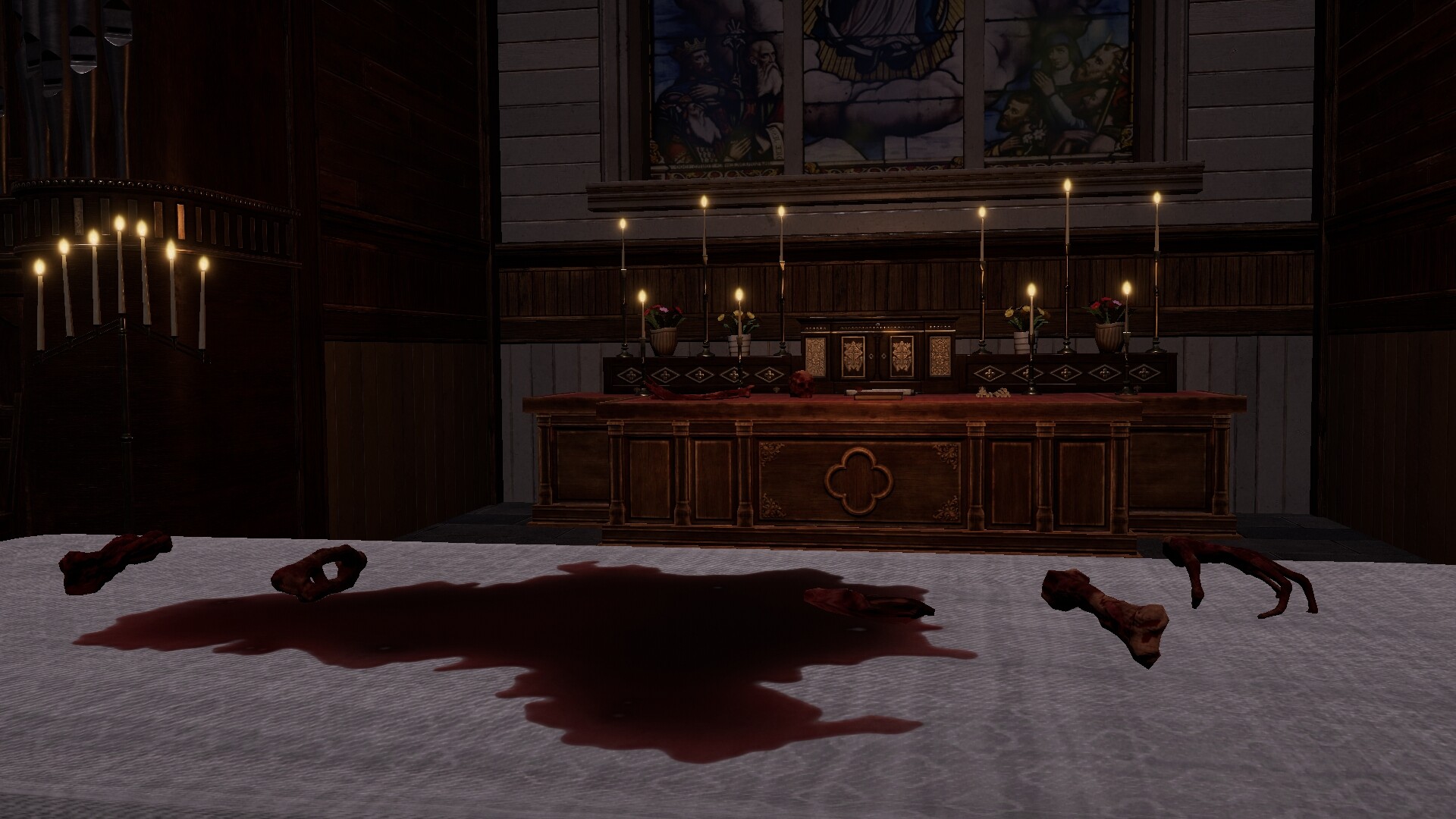
Mansion mysteries work well when the environment itself is a storyteller. Trace of the Villa frames its intrigue through objects that imply absence — furnished rooms with missing names or photos, encrypted documents in safes, and systems that only reveal their records when power is restored. That approach turns every unlocked compartment into a narrative beat: solving a mechanical puzzle doesn’t just advance gameplay, it forces you to reinterpret what the space means and how people moved through it.
How you read clues and progress
Progress in Trace of the Villa, per the official description, depends on restoring systems, unlocking secured compartments, and decrypting fragments recovered from safes and manifests. That describes a classic clue-chain loop: environmental evidence hints at a locked mechanism; solving it yields a document or system access; the new information points to the next location or code. The design emphasis is on layered discovery — each solved puzzle unlocks both a mechanical tool and a piece of the story timeline.

Player scenarios — when to wishlist
- Scenario A — You like methodical, observational puzzle-play: You’ll appreciate inventory-light, environmental puzzles that chain into narrative reveals rather than stand-alone riddles.
- Scenario B — You prioritize story-driven mystery and atmosphere: The mansion’s staged, mid-routine rooms and recovered manifests reward careful reading and make small discoveries feel meaningful.
- Scenario C — Accessibility matters to you: The Steam page lists subtitle options, color alternatives, custom volume controls, and no required timed inputs, supporting a wider range of players.
How it compares to nearby mystery and puzzle games
Below is a concise editorial comparison focused on genre, atmosphere, puzzle approach, and player fit.
| Title | Genres | Puzzle focus / approach | Atmosphere & tone | Best for |
|---|---|---|---|---|
| Trace of the Villa | Action, Adventure, Indie | Environmental exploration, chained puzzles, document/safe decryption | Slow-burn mansion mystery; investigative and unsettling | Players who prize story-led clue chains and atmosphere |
| The Room | Adventure, Indie | Mechanical puzzle boxes, tactile lock-and-key design | Isolated, intimate puzzler with a focus on contraptions | Players who prefer focused, tactile puzzle solving |
| The Room Two | Adventure, Indie | Expanded mechanical puzzles and set-piece rooms | Mysterious, steam-and-shadow crypt-like environments | Those who enjoyed the original and want more elaborate puzzle spaces |
| Escape Simulator | Adventure, Casual, Indie, Simulation | Highly interactive rooms; physics and object manipulation; community rooms | Varied tone depending on room — from playful to tense | Players who want interactive room toys, co-op or community-made challenges |
Deciding checklist — five quick editorial prompts
- Do you enjoy piecing narrative from objects and documents? If yes, this is likely a fit.
- Do you prefer puzzles that unlock story beats rather than isolated brainteasers? Trace of the Villa emphasizes chained progression.
- Is atmosphere and slow reveal appealing over constant action? The mansion mystery plays to that taste.
- Do you need accessibility features like subtitles and no timed inputs? The Steam page lists those options.
- Want to compare tactile mechanical puzzles versus environmental narrative puzzles? Use the comparison table above to weigh preference.
YouTube discovery
Search for trailers or gameplay footage at: Trace of the Villa trailer & gameplay (YouTube search). The link is provided for discovery; it does not imply an officially verified video in this article.
Steam link: https://store.steampowered.com/app/3483660/Trace_of_the_Villa/
Disclaimer: referenced titles and trademarks belong to their respective owners. Comparisons above are editorial discovery only and not endorsements or claims of affiliation.
Leave a Reply