
Trace of the Villa: where locked‑room thinking and clue‑chain momentum meet
Trace of the Villa places a player-led investigation inside a deliberately forgotten mansion, turning environmental reading and puzzle chains into the primary engine of discovery. Released 28 May, 2026 by Steadyturtle Co., Ltd., the game leans on slow, clue-driven exploration as Jin follows manifests and encrypted fragments that suggest his missing sister may still be alive.

Quick facts
| Title | Trace of the Villa |
|---|---|
| Steam AppID | 3483660 |
| Release date | 28 May, 2026 |
| Developer / Publisher | Steadyturtle Co., Ltd. |
| Genres | Action • Adventure • Indie |
| Key Steam categories | Single-player; Color Alternatives; Custom Volume Controls; Playable without Timed Input; Subtitle Options; Family Sharing |
| Store page | View Trace of the Villa on Steam |
Who should wishlist this
If you prefer atmospheric mystery adventure that privileges environmental storytelling over combat spectacle, Trace of the Villa is aimed at you. The Steam listing frames the experience around a personal investigation — recovering manifests, restoring estate power, unlocking safes — so players who enjoy slow-burn suspense, locked‑room thinking, and puzzle chains that reveal narrative layers will likely find it satisfying.
What the game is (and what it isn’t)
Officially described as a search for Jin’s missing sister that leads to a remote, decaying mansion, the game foregrounds investigation and discovery. Restoring power, finding hidden compartments, and decrypting fragments are explicit mechanics mentioned on the Steam page. While the listing places Trace of the Villa in Action / Adventure / Indie, the emphasis in the official copy is narrative puzzle design and uncovering a concealed operation — financial trails, falsified identities, and secured systems — rather than arcade‑style action.
When and where
Trace of the Villa launched on Steam on 28 May, 2026 and is presented to PC players as a single‑player experience. The Steam page includes accessibility and comfort options such as subtitle options, color alternatives, and custom volume controls; the game is also flagged as playable without timed input, which matters if you prefer a deliberate puzzle pace over twitch reactions.
Why the mansion setting matters for puzzle design
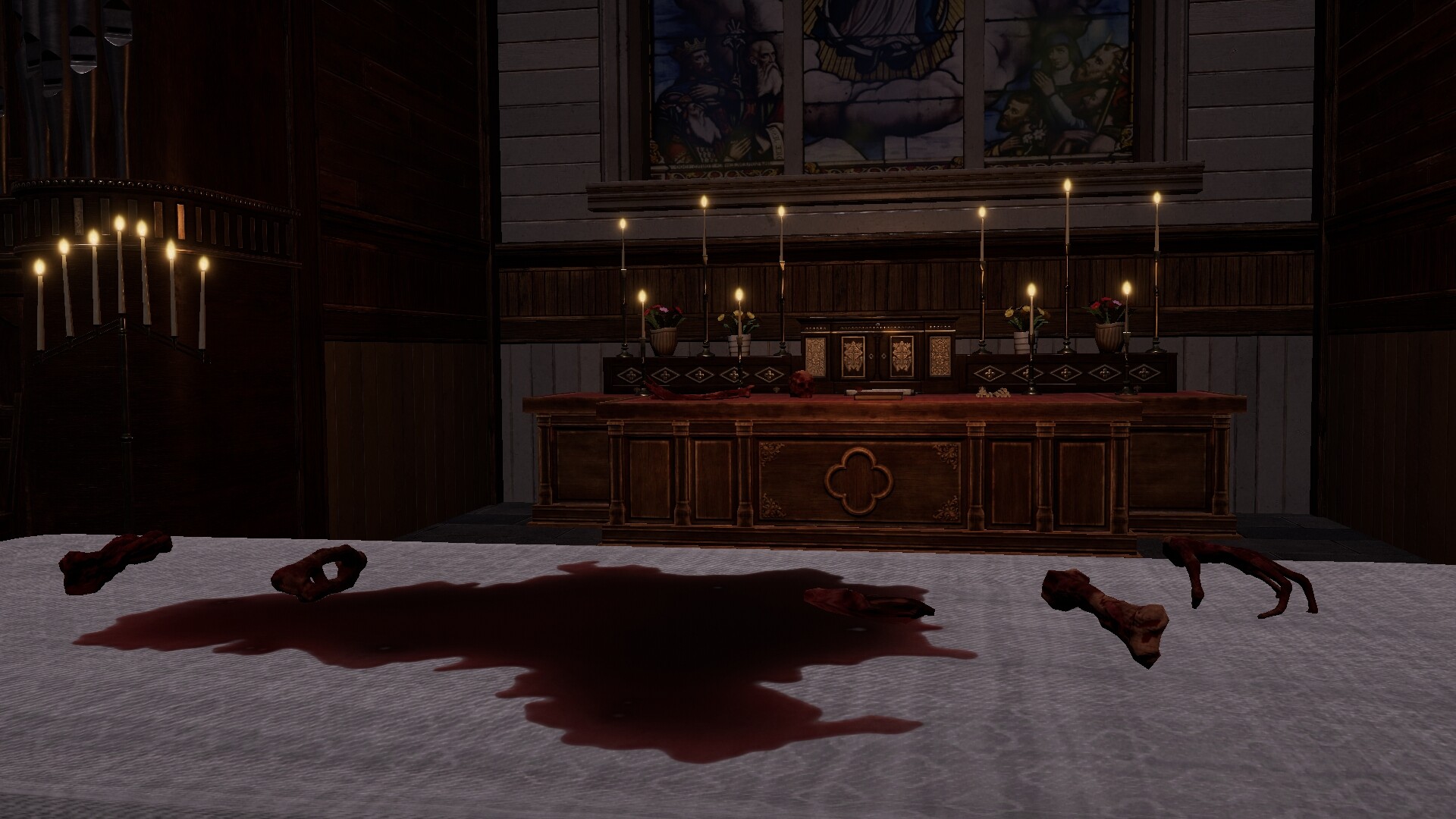
Mansion mysteries work well when every object can be read for intent. The Steam description makes that explicit: rooms appear furnished as if occupants vanished mid‑routine; locked doors and safes hold fragments of a larger operation. That environment supports locked‑room thinking — treating each closed space as both a puzzle box and a node in a wider clue chain — so the house itself becomes the puzzle designer’s primary tool for pacing and escalation.
How clue chains and environmental reading drive progression
The official text notes several concrete systems you’ll encounter: restoring power, secured systems coming back online, hidden compartments unlocking, and safes yielding encrypted documents and transfer records. Those elements indicate a progression model where one solved lock or restored subsystem enables the next emergent clue — classic puzzle‑chain momentum. In practice this means careful observation (what’s missing, what’s been erased), inventorying recovered manifests, and using newly accessible tech or spaces to cross‑reference names, dates, or financial threads revealed by earlier puzzles.

Player scenarios — concrete examples of fit
- Solo puzzle reader: You like methodical exploration and connecting forensic dots across a single location. The game’s focus on manifests, encrypted fragments, and restoring estate systems aligns with that taste.
- Slow‑burn narrative fan: You prefer a story that emerges from unlocked spaces rather than explicit cutscenes. Trace of the Villa’s erased identities and staged living spaces suggest narrative delivered through discovery.
- Anyone avoiding twitch pressure: The Steam tags include “Playable without Timed Input,” so players who want to think without hurried timers will be able to engage puzzles at a measured pace.
How it compares to nearby mystery/puzzle titles
Below is a compact editorial comparison based on genre, atmosphere, puzzle focus, exploration style, and pacing — useful criteria when deciding whether to wishlist Trace of the Villa.
| Title | Primary focus | Puzzle style | Exploration & pacing |
|---|---|---|---|
| Trace of the Villa | Atmospheric mystery adventure; investigative narrative | Clue chains, locked compartments, encrypted fragments; environmental reading | Slow, single‑player, mansion‑centered; discovery unlocks new systems and rooms |
| The Room | Mystery puzzle box experience | Mechanical, tactile safes and contraptions; object manipulation | Compact, focused rooms with escalating mechanical puzzles; single‑room intensity |
| The Room Two | Expanded, atmosphere‑heavy puzzle exploration | Similar mechanical focus to The Room but broader setpieces | More varied locales with a continued emphasis on puzzle boxes and atmosphere |
| Escape Simulator | Highly interactive escape rooms; sandbox solving | Physics, movable objects, modular puzzles; community content | Faster‑paced, hands‑on interaction; supports solo and co‑op, and a lot of player experimentation |
Editorial note: The Room series concentrates on compact mechanical puzzles and tactile interactions; Escape Simulator focuses on highly interactive rooms and player experimentation. Trace of the Villa, per its Steam description, emphasizes narrative investigation and environmental clues within a single, larger estate — a different rhythm that privileges reading spaces and document fragments over pure mechanical toy puzzles or sandbox interactions.
YouTube discovery
If you want quick video impressions, search for trailer or gameplay clips using this YouTube query: Trace of the Villa trailer & gameplay on YouTube. This is a discovery link; the Steam asset list includes a trailer thumbnail but does not specify an official host beyond the Steam page.
Final judgement — should you wishlist it?
Wishlist Trace of the Villa if you enjoy slow‑unspooling mystery, environmental storytelling, and puzzle chains that build tension through the house’s revealed systems and documents. If you prefer frantic, physics‑first escape rooms or tight mechanical box puzzles, the mansion’s investigative pacing and narrative focus may feel more sedate by comparison.
Disclaimer
Referenced titles and trademarks belong to their respective owners. Comparisons are editorial discovery only and not endorsements. All factual details about Trace of the Villa are taken from the official Steam listing and provided Steam data.
Leave a Reply