Trace of the Villa: where locked‑room logic meets slow‑burn mansion mystery
Trace of the Villa (Steadyturtle Co., Ltd.) puts you in Jin’s shoes as he follows a cold lead into a remote, decaying mansion—a story-driven, clue‑driven investigation that leans on environmental reading and chained puzzles to push its narrative forward. Released on 28 May, 2026 on Steam, the game blends action/adventure framing with an indie, escape‑room style of puzzle design that rewards careful observation and logical sequencing.

Who this is for
If you prefer atmospheric mystery adventure and story‑rich exploration over twitch action, Trace of the Villa is targeted at players who enjoy slow‑burn suspense, environmental storytelling, and puzzle chains that build momentum. It suits players who like reading rooms as evidence — tracking small object clues and using the mansion itself as the primary narrator.
What the game is
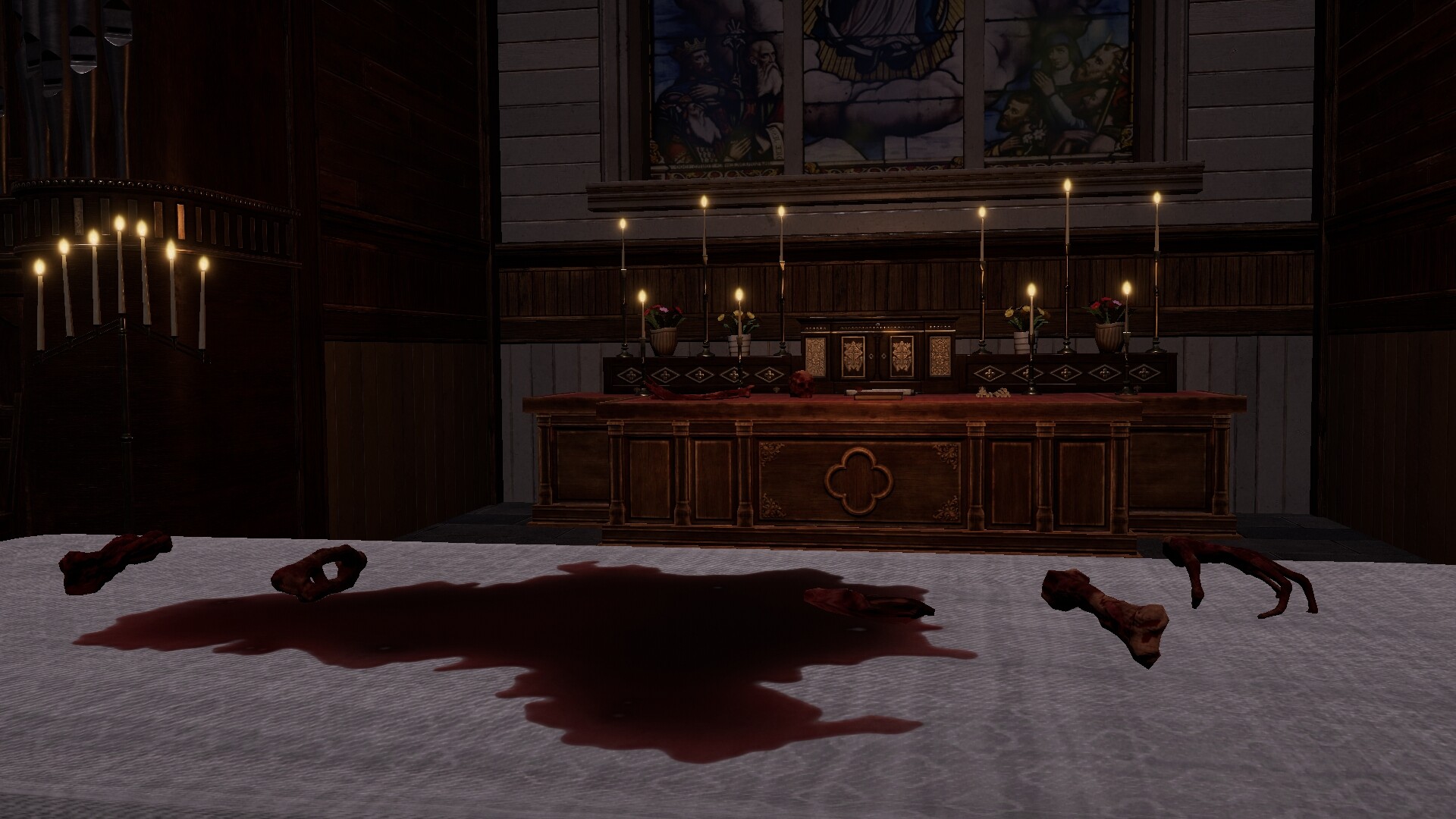
Officially described on Steam, Trace of the Villa follows Jin as he searches for his missing sister after a lead points him to a property cut off from the grid. The mansion’s rooms are furnished as if occupants vanished mid‑routine; locked doors and secured systems hide fragments of encrypted documents and suspicious transfer records. Restoring power and solving environmental puzzles unlocks additional layers of evidence that gradually reveal a larger, concealed operation.
Genre and tags on Steam: Action, Adventure, Indie; categories include Single‑player, Color Alternatives, Custom Volume Controls, Playable without Timed Input, Subtitle Options, Family Sharing — framing it as a single‑player PC mystery with accessibility options and no forced timed inputs.
When and where
Trace of the Villa launched on Steam on 28 May, 2026. You can find it on the store page under Steam appid 3483660.
Why the locked‑room thinking matters here
Escape‑room logic is less a gimmick than a design principle for games like Trace of the Villa. The mansion’s sealed surfaces, missing records, and hidden compartments invite a particular cognitive stance: treat every object as a potential node in a clue chain, and assume puzzles will cascade—solving one yields tools, context, or codes needed for the next. That chained momentum is central to the experience; the house unfolds deliberately, and the player’s job is to reconstruct sequence and motive from physical traces.
How you read clues and progress
According to the Steam description, restoring power is a core mechanical pivot: secured systems come back online, hidden compartments unlock, and safes yield fragments of encrypted documents and transfer records. That setup signals a primarily environmental, object‑based puzzle loop rather than combat or timed sequences. Expect to piece together evidence across rooms—financial trails, falsified identities, and movement logs that gradually cohere into a disturbing pattern.

Concrete buying fit: three player scenarios
- Close reader: You enjoy piecing together narrative from objects and documents, and you’re willing to trace evidence room by room until patterns emerge.
- Slow‑burn investigator: You like tense atmosphere and methodical progression rather than fast‑paced combat; the emphasis on restoring power and uncovering sealed evidence will appeal to you.
- Escape‑room puzzle fan: You want logical chains of puzzles where each solution reliably informs the next — Trace of the Villa adopts that mentality inside a narrative mansion setting.
Quick facts
| Title | Trace of the Villa |
|---|---|
| Developer / Publisher | Steadyturtle Co., Ltd. |
| Release date | 28 May, 2026 |
| Steam AppID | 3483660 |
| Genres / Tags | Action, Adventure, Indie — Single‑player; accessible options (subtitles, custom volume), playable without timed input. |
| Official short description | Jin has spent years searching for his missing sister, pursuing leads that took him to a remote, decaying mansion where he recovered manifests and hints that indicate his sister may still be alive, somewhere at the end of the trail he is about to follow. |
How Trace of the Villa compares — quick editorial table
These comparisons focus on genre, atmosphere, puzzle focus, exploration style, story tone, and pacing — editorial discovery, not endorsement.
| Title | Genre / Atmosphere | Puzzle focus / Exploration | Pacing / Player fit |
|---|---|---|---|
| The Room | Adventure / claustrophobic, tactile | Object‑based mechanical puzzles; singular locked artifacts | Measured, puzzle‑centric; for players who like focused, handcrafted contraptions |
| The Room Two |
Leave a Reply