
Trace of the Villa: Where locked-room logic, clue chains, and environmental reading meet a slow-burn mansion mystery
Trace of the Villa is a story-rich, atmospheric mystery adventure from Steadyturtle Co., Ltd., released on 28 May, 2026, that puts investigation at the centre: Jin follows leads to a decaying, off-grid mansion and recovers manifests and hints that suggest his missing sister may still be alive. The game lists Action, Adventure, and Indie as its genres and ships with single-player accessibility options like Subtitle Options and Playable without Timed Input suited to measured puzzle work.

Quick facts
| Title | Trace of the Villa |
|---|---|
| Steam AppID | 3483660 |
| Release date | 28 May, 2026 |
| Developer / Publisher | Steadyturtle Co., Ltd. |
| Genres | Action, Adventure, Indie |
| Notable Steam categories | Single-player; Color Alternatives; Custom Volume Controls; Playable without Timed Input; Subtitle Options; Family Sharing |
| Official short description | Jin has spent years searching for his missing sister, pursuing leads that took him to a remote, decaying mansion where he recovered manifests and hints that indicate his sister may still be alive. |
Who this is for
If you enjoy slow-burn suspense and investigative pacing — players who prefer reading environments, assembling narrative fragments, and tracking clue chains — Trace of the Villa is aimed at you. The title’s Steam categories (Single-player, Subtitle Options, Playable without Timed Input) indicate a solo, methodical experience rather than twitch-heavy or competitive play. Fans of atmospheric mystery adventures and psychological investigation on PC will find its tone familiar.
What the game is (and how it tells its story)
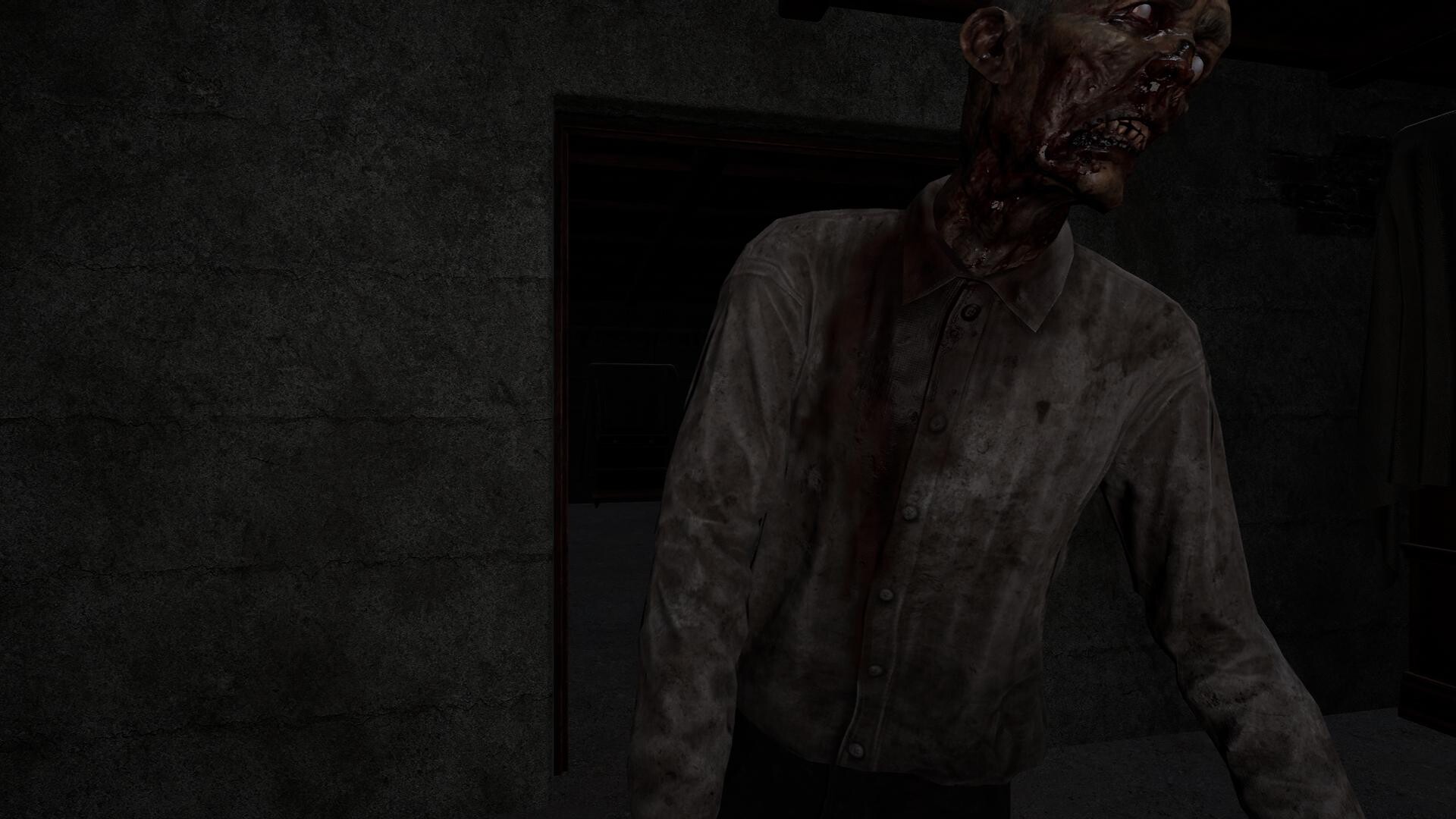
The official description frames Trace of the Villa as a personal investigation: Jin enters a property “cut off from the grid” where rooms feel “less abandoned than erased.” That phrasing signals environmental storytelling as the primary narrative vehicle — interiors arranged as if people vanished mid-routine, conspicuously missing photographs or names, locked doors, and secured systems that reveal themselves when power is restored.
When and where — Steam specifics
Trace of the Villa released on 28 May, 2026 and is available on Steam for PC. If you want to wishlist or view the store page, use the link below before the embedded Steam widget.
View Trace of the Villa on Steam
Why the theme matters: erased identities and the puzzle-chain approach
The mansion-as-evidence trope works best when the environment itself is an argument: Trace of the Villa’s marketing text emphasises missing records, falsified identities, and “financial trails that lead nowhere.” Those details suggest puzzles aren’t just mechanical obstacles but narrative nodes — solving a safe yields a fragment of an encrypted document, which points to transfer records, which then open another room or reveal another identity. That chained discovery model is the heart of escape-room style mystery: each solved element pushes the investigation forward rather than providing isolated wins.
How you read clues and progress
- Clue chains: Expect a sequence where one discovery (manifests, encrypted fragments, transfer records) points to the next area or device rather than standalone riddles.
- Environmental reading: The official text repeatedly references staged rooms and missing personal artifacts — pay attention to what’s absent as well as what’s present.
- Systems restoration: The description states that restoring power makes “secured systems come back online,” so progression includes toggling estate systems to unlock hidden compartments and safes.
- Pacing: With Playable without Timed Input and Subtitle Options listed, the design appears to favour methodical play rather than time-limited puzzles or forced reaction checks.
Player scenarios — decide if it fits your tastes
- Scenario A — You like methodical detective work: If you enjoy following financial leads, encrypted fragments, and room-by-room evidence gathering, the game’s narrative puzzle chain will reward that patience.
- Scenario B — You prefer tactile puzzle boxes: If you want hand-crafted mechanical puzzles (rotating dials, box-wrench puzzles), compare it to puzzle-box games — the Villa seems to emphasise narrative linkages over pure gear-and-rotor puzzles.
- Scenario C — You want social play or level editors: Trace of the Villa is single-player; if cooperative escape rooms or community-made levels are essential to you, other titles (see comparison) may be a better fit.
- Scenario D — You need accessibility and slower pacing: The listed categories (Color Alternatives, Custom Volume Controls, Subtitle Options, Playable without Timed Input) suggest settings that support a range of players who prefer accessible, no-rush exploration.
How it compares to nearby mystery and puzzle experiences
Below is an editorial comparison focused on genre, atmosphere, puzzle focus, exploration style, and pacing to help you place Trace of the Villa among similar titles.
| Game | Genre / Core Focus | Puzzle & Exploration Style | Tone & Pacing |
|---|---|---|---|
| The Room | Adventure / Puzzle-box | Mechanical, tactile puzzle-boxes with tight, focused rooms | Claustrophobic, deliberately paced, solitary investigation |
| The Room Two | Adventure / Puzzle-box | Expanded mechanical puzzles across linked environments | Cryptic and atmospheric with steadily rising complexity |
| Escape Simulator | Adventure / Simulation (co-op) | Highly interactive rooms, physics-based object interaction, community-made levels | Playful to challenging; supports both solo and cooperative sessions |
Leave a Reply