
Trace of the Villa: when locked‑room logic meets slow‑burn puzzle chains
Trace of the Villa is an atmospheric mystery adventure about Jin’s search for his missing sister, set inside a remote, decaying mansion where recovered manifests and encrypted fragments hint she may still be alive. Developed and published by Steadyturtle Co., Ltd., the game arrived on Steam on 28 May, 2026 and centers on environmental reading, object clues, and chained puzzles that unlock the mansion’s erased histories.

Who this is for
If you prefer cerebral, single‑player mystery experiences where the environment is the primary narrator, Trace of the Villa targets you. Players who enjoy locked‑room thinking—examining rooms as self‑contained logic puzzles where every object may be a clue—will find the mansion’s slow‑burn suspense and clue‑driven exploration appealing. The game’s Steam categories include Single‑player, Color Alternatives, Custom Volume Controls, Playable without Timed Input, Subtitle Options, and Family Sharing, signaling a focus on accessibility and solitary investigation rather than twitch action or multiplayer chaos.
What the game is
Officially described on Steam, Trace of the Villa follows Jin, who has spent years searching for his missing sister. A lead brings him to a property “cut off from the grid and deliberately forgotten.” Restoring power reveals secured systems, hidden compartments, safes and encrypted documents; each puzzle solved opens another layer of the operation that used the house. The core loop is environmental storytelling plus object‑based puzzles that chain into larger revelations.
When and where
Trace of the Villa released on Steam on 28 May, 2026. The Steam store page and widget (link and embedded widget are provided below) are the primary discovery and purchase paths for PC players.
Why the theme matters
The mansion mystery conceit matters because it shifts the player’s role from combatant to reader: you must treat furnishings, power panels, safes and manifests as a forensic archive. That restriction tightens design—locked doors and sealed systems force a focus on clue chains. When a game’s premise is erasure of identity and falsified records, every recovered object gains narrative weight; puzzle solutions are also story beats. For players who want narrative payoff from methodical deduction, that alignment of theme and puzzle design is key.
How you progress — locked‑room logic, clue chains, and momentum
Trace of the Villa uses a classic puzzle‑chain model. Early interactions (restore power, open a cupboard, read a manifest) yield tokens of information—numbers, partial names, document fragments—that feed the next device or locked compartment. That creates a momentum I call “puzzle‑chain flow”: a solved object reveals both mechanical access and narrative context, which then reframes earlier clues and points to new zones. Environmental reading is rewarded: the same room can have multiple micro‑puzzles whose solutions cascade into a larger safe or system. Because the Steam categories include “Playable without Timed Input,” the game prioritizes deliberate inspection over speed‑based mechanics.

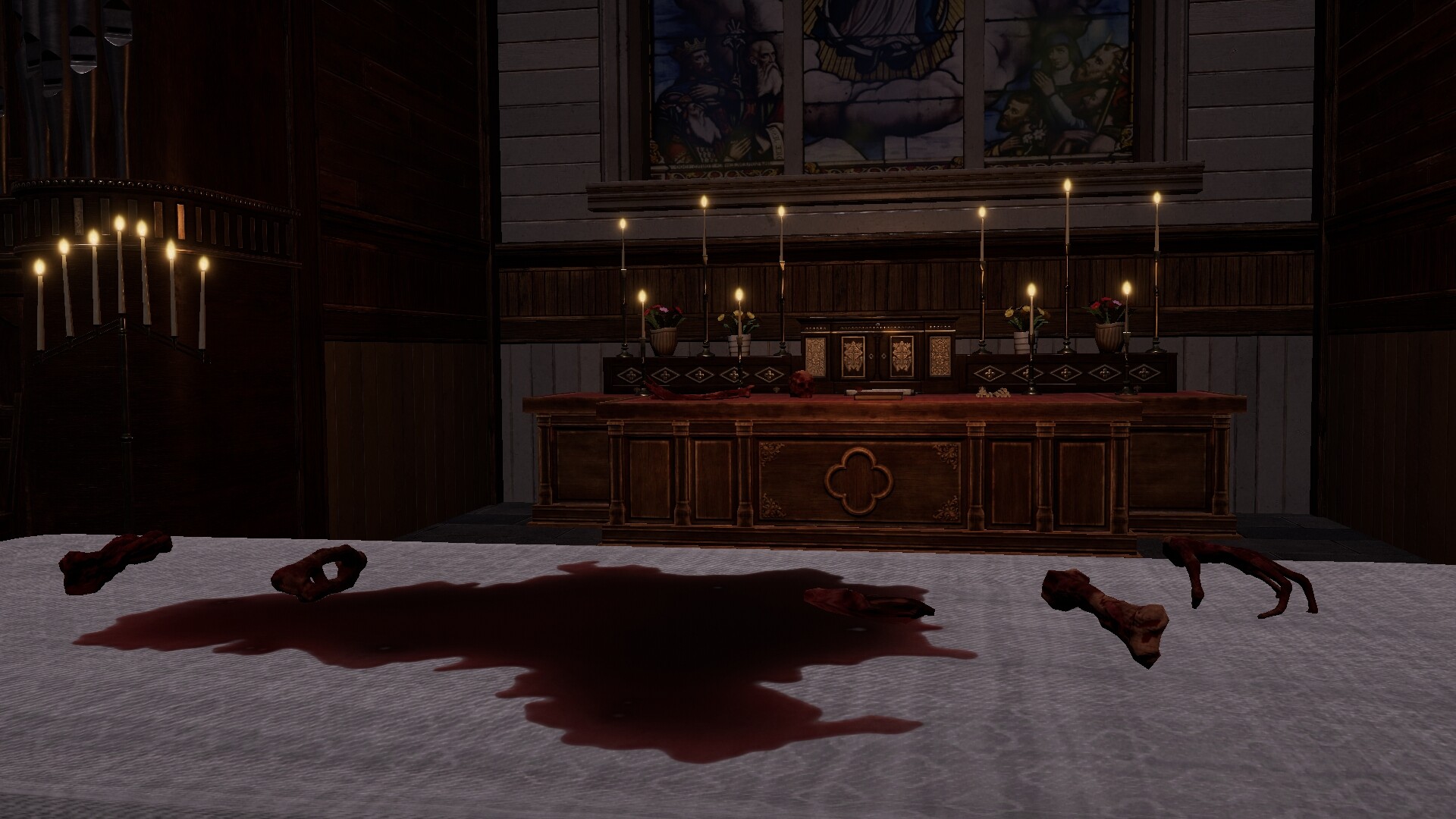
Quick facts
| Title | Trace of the Villa |
|---|---|
| Steam AppID | 3483660 |
| Release date | 28 May, 2026 |
| Developer | Steadyturtle Co., Ltd. |
| Publisher | Steadyturtle Co., Ltd. |
| Genres | Action; Adventure; Indie |
| Steam categories | Single‑player; Color Alternatives; Custom Volume Controls; Playable without Timed Input; Subtitle Options; Family Sharing |
| Official short description | Jin has spent years searching for his missing sister, pursuing leads that took him to a remote, decaying mansion where he recovered manifests and hints that indicate his sister may still be alive, somewhere at the end of the trail he is about to follow. |
How Trace of the Villa compares — a compact editorial table
| Game | Genre / Focus | Atmosphere & Tone | Puzzle style | Player fit |
|---|---|---|---|---|
| The Room | Adventure / Indie (28 Jul, 2014) | Sealed, tactile box puzzles; claustrophobic curiosity | Mechanical, single‑object safes and layered inspection | Players who like intimate, object‑centric puzzle boxes |
| The Room Two | Adventure / Indie (5 Jul, 2016) | Expands scale but keeps cryptic, atmospheric pacing | Sequential rooms with interlocking mechanical puzzles | Those who appreciated the first but want broader environments |
| Escape Simulator | Adventure / Casual / Indie (19 Oct, 2021) | Bright, interactive escape rooms; playful tone | Highly interactive props, physics, and user‑created rooms | Players wanting modular rooms, co‑op options and sandbox puzzle design |
| Hi‑Fi RUSH | Action (25 Jan, 2023) | Energetic, rhythm‑driven combat; upbeat | Action and timing systems rather than environmental puzzles | Action players who prefer combat and spectacle over deduction |
| Football Manager 2022 | Simulation / Sports (9 Nov, 2021) | Analytical, data‑driven; not narrative mystery | Strategic decision trees and databases, not object puzzles | Players focused on long‑form management and systems, not environmental storytelling |
Player scenarios — who will get the most from Trace of the Villa
- Investigative slow‑burner: you savor piecing a timeline together from manifests, transfer records, and encrypted fragments, with each solved safe delivering narrative context.
- Environmental reader: you prefer to infer story from layout, missing photographs and the absence of identity rather than explicit cutscenes.
- Deliberate puzzler: you like puzzle chains that reward methodical inspection and offer no penalties for taking time (the game is listed as playable without timed input).Steam page
View Trace of the Villa on Steam
YouTube discovery
For trailer and gameplay discovery, use YouTube search rather than relying on unverified embeds: Find Trace of the Villa trailer and gameplay searches on YouTube.
Leave a Reply