
Trace of the Villa — an escape-room style mansion mystery for methodical clue readers
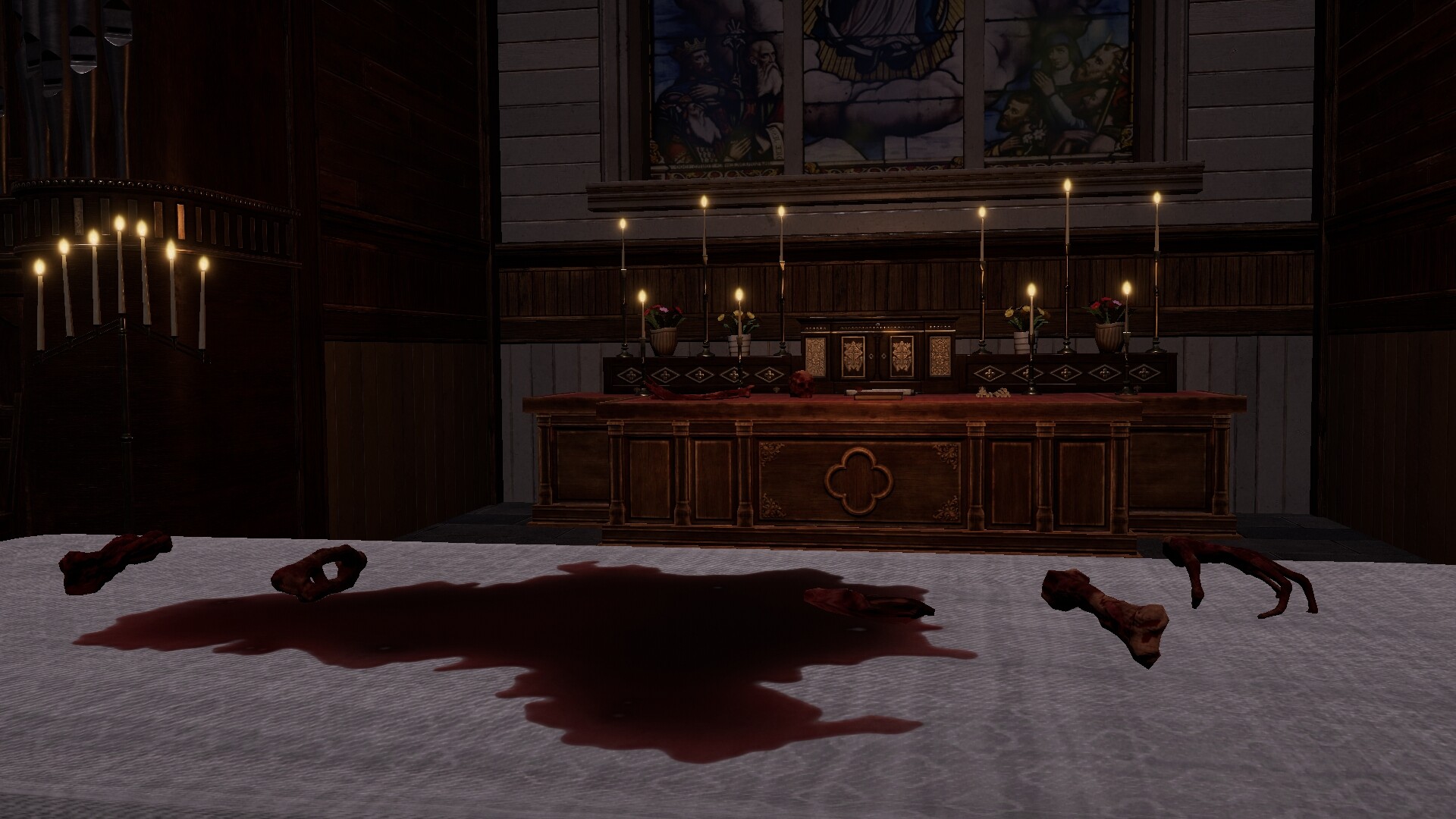
Trace of the Villa places you in a decaying, off-grid mansion as Jin, a man following fragmented manifests and hints that may lead to his missing sister. Released 28 May, 2026 by Steadyturtle Co., Ltd., the game prioritizes environmental reading, locked-room logic and chained puzzles over reflex-based action.

Quick facts
| Title | Trace of the Villa |
|---|---|
| Steam AppID | 3483660 |
| Release date | 28 May, 2026 |
| Developer / Publisher | Steadyturtle Co., Ltd. |
| Genres | Action, Adventure, Indie |
| Key Steam categories | Single-player; Color Alternatives; Custom Volume Controls; Playable without Timed Input; Subtitle Options; Family Sharing |
| Official premise | Jin searches a remote, decaying mansion for clues and manifests suggesting his missing sister may still be alive. |
What kind of game is this?
Trace of the Villa is a story-rich, atmospheric mystery adventure that reads like a single-player escape room spread across a mansion. The official description frames it as an investigation that becomes personal: restored power reveals secured systems, hidden compartments, and fragments of encrypted documents and transfer records. The gameplay emphasis is on piecing together evidence and following clue chains rather than timed reflex puzzles.
Who is it for?
This is for players who prefer slow-burn suspense and methodical puzzle-chain momentum: people who enjoy environmental storytelling, locked-room thinking, and puzzles that reward careful inspection and cross-referencing of found documents. The Steam categories (Playable without Timed Input, Subtitle Options, Color Alternatives) indicate accessibility for players who value a deliberate pace and configurability over twitch-based challenges.
When and where
Trace of the Villa is available on Steam with a release date of 28 May, 2026. The Steam store page (AppID 3483660) lists the developer and publisher as Steadyturtle Co., Ltd. and includes screenshots and the header image linked above.
Why the theme matters
The mansion-as-evidence-depot setup works well for clue-driven exploration because it gives the player a single, cohesive space where environmental details, missing paperwork and secured systems can interlock into longer puzzle chains. The premise—Jin following manifests that imply people were moved and identities falsified—creates stakes for every safe opened and document decrypted, turning object clues into narrative nodes rather than isolated riddles.
How you read clues and progress
Progression is likely to be forensic and iterative: restore systems, unlock compartments, gather fragments, and cross-reference manifests and transfer records. That pattern—examine → retrieve → compare → unlock—builds momentum when each solved puzzle unlocks another physical space or document that reframes previous evidence. Because the game highlights secured systems and encrypted fragments in its official text, expect some puzzles to unfold across multiple locations and require assembling partial information into a single solution.

Player scenarios — who should wishlist it
- Investigation-first players: You enjoy finding a fragment, filing it mentally, and returning later to use that detail. The game’s manifest-and-document emphasis suits patient reconstruction of a timeline.
- Environmental readers: If you get satisfaction from tracing story through objects, furnishings and powered systems rather than dialog-heavy exposition, this mansion layout rewards that habit.
- Puzzle-chain fans: You like solutions that cascade—one unlocked safe reveals a ledger that decodes a keypad elsewhere—rather than standalone mini-games.
- Accessible-play preference: If you prefer no time pressure and need subtitle support or color alternatives, those Steam categories are explicitly listed.
How it compares to similar mystery/puzzle games
Below is a concise editorial comparison focusing on genre, atmosphere, puzzle focus, exploration style, story tone and pacing so you can decide if Trace of the Villa fits your playstyle.
| Title | Core genre / release | Puzzle focus | Exploration style | Tone & pacing |
|---|---|---|---|---|
| Trace of the Villa | Action / Adventure / Indie — 28 May, 2026 | Clue chains, environmental puzzles, encrypted documents | Single-player mansion investigation, interconnected systems | Slow-burn, narrative tension; investigative momentum |
| The Room | Adventure / Indie — 28 Jul, 2014 | Mechanical safes and tactile object puzzles | Single-room/compartment focus | Intimate, tactile, puzzle-box layering |
| The Room Two | Adventure / Indie — 5 Jul, 2016 | Expanded mechanical puzzles across connected spaces | Multi-room sequence, still strongly object-focused | Broader scope than original; maintains puzzle-box tension |
| Escape Simulator | Adventure / Casual / Indie — 19 Oct, 2021 | Highly interactive room puzzles; community-designed rooms | Many discrete rooms; solo or co-op options | Varied tone (depends on room); more playful and physics-driven |
Editorial note: Trace of the Villa aligns most with players who prefer the investigative, interlocking progression found in The Room series but stretched across a larger environment and a narrative with human stakes. Escape Simulator shares the escape-room DNA but skews toward interactive, physics-based fiddling and co-op/community content rather than a single narrative investigation.
YouTube discovery
You can search for trailers and gameplay using this YouTube discovery URL: Trace of the Villa trailer & gameplay search on YouTube. This provides a path to videos; do not assume all results are official unless verified on the developer’s channels.
Leave a Reply