
Trace of the Villa — an escape-room style mystery in a decaying mansion
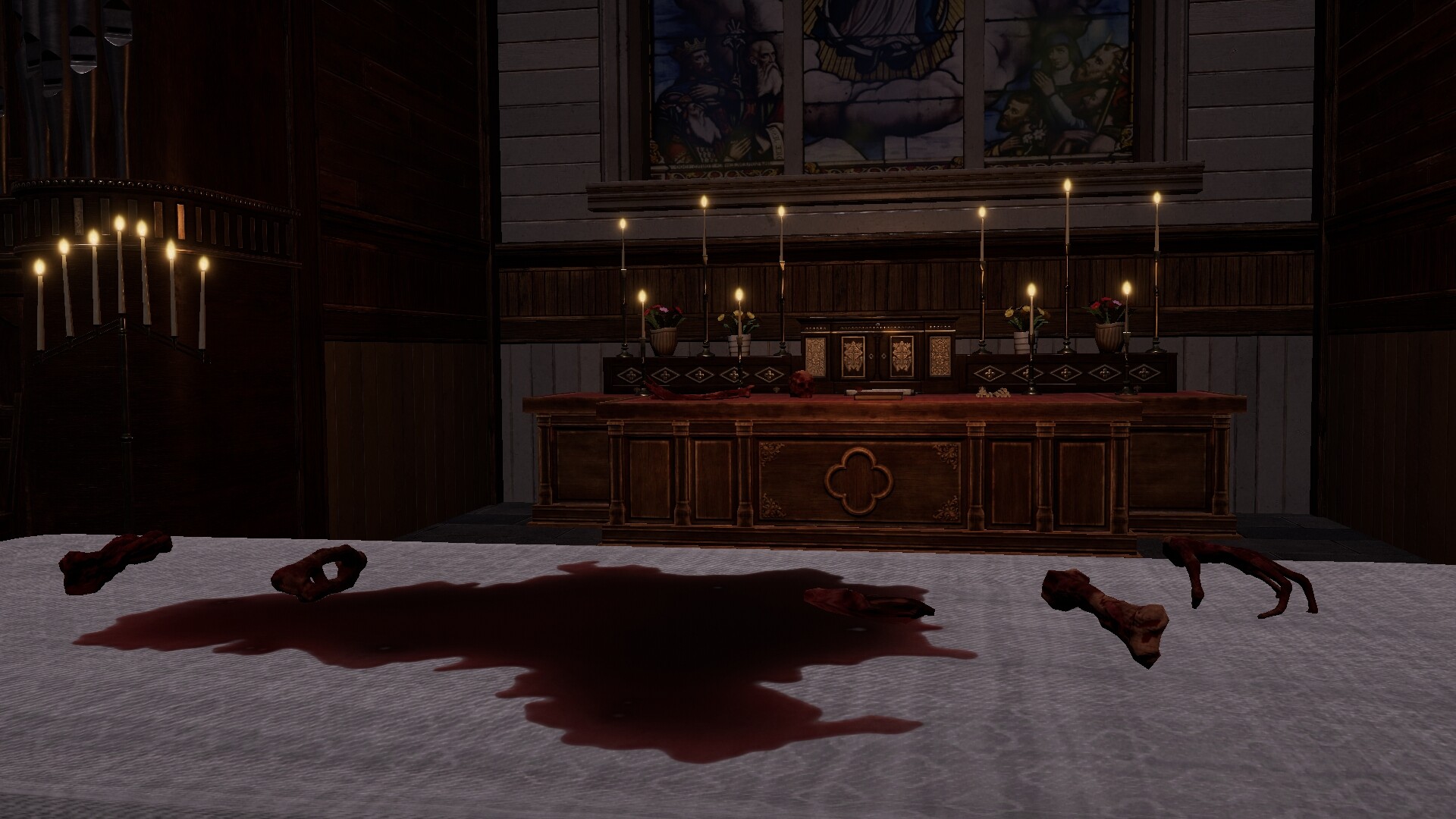
Trace of the Villa casts you as Jin, a lone investigator piecing together manifests, safes, and secured systems inside a remote, deliberately forgotten mansion. Released on 28 May, 2026 by Steadyturtle Co., Ltd., the game foregrounds locked doors, encrypted fragments and a slow chain of discoveries that reward environmental reading and patient, clue-driven momentum.

What Trace of the Villa is
Trace of the Villa is a single-player, story-rich Action/Adventure indie on Steam that frames its narrative through investigative, puzzle-driven exploration. The official premise states: Jin has spent years searching for his missing sister and follows a lead to a remote, decaying mansion where manifests and hints suggest she may still be alive. As Jin restores power and opens locked areas, the house reveals encrypted documents, safes and financial trails pointing to a larger, concealed operation.
Quick facts
| Title | Trace of the Villa |
|---|---|
| Steam appid | 3483660 |
| Release date | 28 May, 2026 |
| Developer / Publisher | Steadyturtle Co., Ltd. |
| Genres | Action, Adventure, Indie |
| Categories / accessibility | Single-player; Color Alternatives; Custom Volume Controls; Playable without Timed Input; Subtitle Options; Family Sharing |
| Official short description | Jin has spent years searching for his missing sister, pursuing leads that took him to a remote, decaying mansion where he recovered manifests and hints that indicate his sister may still be alive, somewhere at the end of the trail he is about to follow. |
Where locked-room thinking, clue chains and environmental reading fit
Trace of the Villa is structured around a classic escape-room logic applied at mansion scale: power needs restoring, secured systems reconnect, safes and hidden compartments open, and each solved object or recovered manifest points to the next locked area. The official description highlights exactly these mechanics — locked doors, encrypted documents, financial trails and falsified identities — which situates the game in the intersection of environmental storytelling and methodical puzzle-chaining.
How progression and puzzle momentum work (what you’ll actually do)
- Restore systems: early tasks explicitly include bringing power back to the estate so previously sealed systems come online.
- Search and read objects: manifests, transfer records and fragments from safes provide factual clues rather than overt exposition; identity gaps and redacted items encourage careful environmental reading.
- Unlock layered puzzles: safes, hidden compartments and secured systems act as gatekeepers — each solved element yields the next clue or area.
- Follow a timeline: as Jin pieces together movements and transactions, a pattern emerges that reframes earlier discoveries and escalates the narrative stakes.

Who this is for
Trace of the Villa suits players who enjoy single-player, slow-burn mansion mysteries that prioritize atmosphere and layered discovery over fast action. If you like methodical puzzle-chains, careful inventory-less deduction, and reading a space for narrative detail — rather than nonstop combat or timed reaction tests — this title fits those expectations. The Steam page lists accessibility options such as playability without timed input and subtitle options, which also points to a pacing-focused design.
When and where
Trace of the Villa is available on Steam with a release date of 28 May, 2026. The Steam store page (app id 3483660) is the primary hub for system requirements, purchase options and extras.
How it compares to nearby puzzle/mystery games
Below is a concise editorial comparison focusing on puzzle style, atmosphere and player fit — not judgments of quality.
| Title | Primary focus | Puzzle style | Atmosphere & pacing | Player fit |
|---|---|---|---|---|
| Trace of the Villa | Mansion mystery, investigative narrative | Locked doors, safes, encrypted fragments; clue chains that unlock new areas | Slow-burn, atmospheric, focused on reveal and timeline construction | Players who favor environmental storytelling and methodical exploration |
| The Room / The Room Two | Isolated puzzle-box scenarios in a mysterious context | Highly tactile puzzle boxes and bespoke mechanical puzzles | Focused, intimate puzzle sessions with a steady reveal | Players who enjoy tightly designed mechanical puzzles and tactile discovery |
| Escape Simulator | Modular escape rooms, user-created content and co-op options | Highly interactive object manipulation across many room types | Variable pacing depending on room; often playful and mechanical | Players who like interactive objects, co-op puzzles and community rooms |
Player scenarios — pick the right fit
- If you love slow atmospheric investigation: You will appreciate Trace of the Villa’s emphasis on restoring systems and following a timeline of clues rather than fast reflexes.
- If you enjoy puzzle-chain momentum: The game’s design (locked doors, safes, encrypted records) sets up sequential puzzles where each solution materially advances the investigation.
- If you prefer bite-sized mechanical puzzles or co-op play: Consider titles like The Room series for compact puzzle boxes or Escape Simulator for community rooms and multiplayer — the comparison table above helps match those preferences.
YouTube / trailer discovery
To search for trailers or gameplay footage use this YouTube discovery link (search results may include trailers and player uploads): Search Trace of the Villa on YouTube.
Leave a Reply