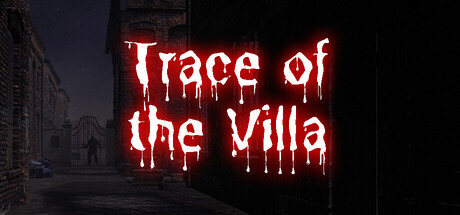
Trace of the Villa — an escape-room style mystery that treats clues like evidence
Trace of the Villa is an atmospheric mystery adventure about Jin’s search for his missing sister inside a decaying, purposefully erased mansion. The game foregrounds locked-room thinking, environmental reading, and chained puzzles that reveal a conspiratorial operation as you restore power and pry open the estate’s secrets.


Quick facts
| Title | Trace of the Villa |
|---|---|
| Steam appid | 3483660 |
| Release date | 28 May, 2026 |
| Developer | Steadyturtle Co., Ltd. |
| Publisher | Steadyturtle Co., Ltd. |
| Genres | Action, Adventure, Indie |
| Categories / accessibility | Single-player; Color Alternatives; Custom Volume Controls; Playable without Timed Input; Subtitle Options; Family Sharing |
| Steam page | Trace of the Villa on Steam |
| Public user reviews | No user reviews (as listed on Steam) |
Who this is for
Players who prize slow-burn suspense, environmental storytelling, and clue-driven puzzle chains will find the tone appealing. If you prefer careful inspection over twitch reflexes, appreciate subtitle options and color alternatives for accessibility, and want a single-player mystery where timed inputs are not required, Trace of the Villa is aimed at you.
What the game is
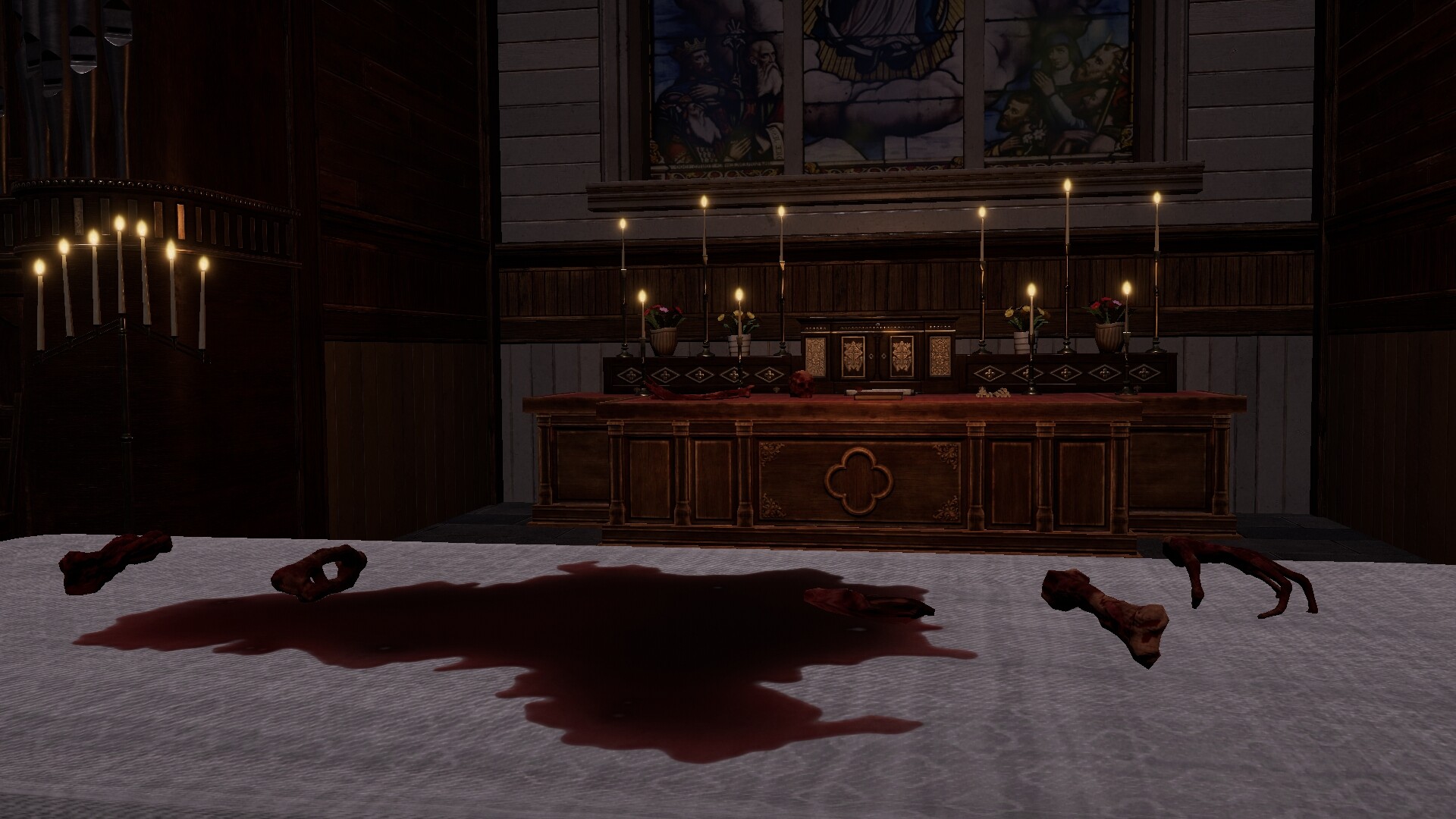
According to the Steam store listing, Jin has been searching for his missing sister for years and follows a lead to a remote, decaying mansion. The house appears “erased” rather than simply abandoned: rooms are furnished as if occupants vanished mid-routine, locked doors hold hastily secured secrets, and personal records are missing. Restoring power reveals secured systems, hidden compartments and safes that produce fragments of encrypted documents and suspicious transfer records, forming a chain of evidence rather than a series of isolated puzzles.
When and where
Trace of the Villa released on 28 May, 2026 and is available on Steam for PC. The store page lists the developer and publisher as Steadyturtle Co., Ltd.
Why the theme matters
The premise—identities removed, movements masked, and a house used as a processing node—shifts the game toward a psychological investigation as much as a physical puzzle hunt. That emphasis makes environmental reading essential: furniture placement, missing photographs, and restored systems act as documentary clues that build a timeline. For players who enjoy mysteries that feel forensic rather than purely supernatural, the theme changes what a solved puzzle yields: it’s not just an unlocked door, it’s another piece of a narrative ledger.
How progression and puzzle chains work (what to expect)
The Steam description makes clear that restoring power is a keystone action that reactivates systems and triggers new interactions. Expect chained progression where one solved safe, restored terminal, or recovered manifest unlocks the next lead. This is locked-room logic applied to a mansion-sized tableau: read the environment closely, collect fragments, and assemble them into a chain that points to falsified identities and financial trails. The design favors methodical deduction and pattern recognition over sudden set-piece puzzles or action-based obstacles.
Player scenarios — which sessions fit your playstyle
- Evening of focused play: A single three-hour session to work through a handful of interconnected rooms, pausing to transcribe or photograph recovered documents.
- Serial investigator: Multiple short sessions returning to the estate after each new lead yields a fractured timeline that you rebuild over days.
- Accessibility-minded player: Those who need subtitles, color alternatives, or dislike timed inputs will appreciate the listed categories that explicitly support these options.
- Puzzle-chain fans: Players who enjoy seeing one solved puzzle lead directly to the next clue—rather than randomized loot or combat rewards—will be satisfied by the game’s described structure.
How it compares to nearby mystery/puzzle games
Below is a compact editorial comparison on lawful criteria: genre, atmosphere, puzzle focus, exploration style, story tone, pacing, and the kind of player likely to prefer each title.
| Title | Primary genre | Puzzle focus | Exploration style | Story tone | Pacing | Best for players who… |
|---|---|---|---|---|---|---|
| Trace of the Villa | Action / Adventure / Indie | Clue-chain, environmental, locked-room logic | Single-player, methodical mansion exploration | Psychological investigation; erased identities | Slow-burn, layered reveal | Prefer narrative puzzle chains and forensic reading of spaces |
| The Room | Adventure / Indie | Mechanical safes and tactile puzzles | Focused single-room, object-based puzzle | Arcane, intimate mystery | Concentrated, puzzle-session oriented | Enjoy object-focused, tactile puzzle boxes |
| The Room Two | Adventure / Indie | Similar to The Room — sequential puzzle chambers | Linear rooms with escalating complexity | Mystical and atmospheric | Session-based puzzle escalation | Like layered mechanical puzzles with a mysterious through-line |
| Escape Simulator | Adventure / Casual / Indie / Simulation | Highly interactive escape rooms, physics-driven | Room-by-room interaction; includes player-made rooms | Playful to tense depending on room | Variable — single-room sprint or long-form community rooms | Want hands-on manipulation and co-op or community puzzles |
| Hi‑Fi RUSH | Action | Minimal puzzle emphasis — rhythm/action focus | Linear action levels | Energetic, upbeat | Fast-paced, combat-driven | Prefer action and rhythm over investigative puzzles |
Leave a Reply