
Trace of the Villa — an escape-room style mystery that asks you to read a house like a case file
Trace of the Villa casts you as Jin, a man following fragmented leads into a remote, decaying mansion where manifests and hints suggest his missing sister might still be alive. Released on 28 May, 2026 by Steadyturtle Co., Ltd., the game foregrounds environmental reading, chained clues, and locked-room logic rather than fast action.

Quick facts
| Title | Trace of the Villa |
|---|---|
| Steam App ID | 3483660 |
| Release date | 28 May, 2026 |
| Developer / Publisher | Steadyturtle Co., Ltd. |
| Genres | Action, Adventure, Indie |
| Categories | Single-player; Color Alternatives; Custom Volume Controls; Playable without Timed Input; Subtitle Options; Family Sharing |
| Premise (official) | Jin has spent years searching for his missing sister, pursuing leads that took him to a remote, decaying mansion where he recovered manifests and hints that indicate his sister may still be alive, somewhere at the end of the trail he is about to follow. |
| Steam reviews (public) | No user reviews |
What the game is
Trace of the Villa is a story-rich, mystery-focused adventure built around investigation and environmental storytelling. The official description frames the mansion as a place where rooms look frozen mid-routine, identities are missing, and restoring power reveals secured systems, safes, and encrypted fragments. That setup signals a design that relies on clue chains: solve one puzzle, open a panel or system, find a document that points to the next locked space.
Who it’s for
If you prefer slow-burn suspense, atmospheric mystery adventure, and puzzle design that rewards careful reading of objects and layouts, this will likely fit your tastes. The game’s categories (single-player, subtitle options, playable without timed input) and the official tone suggest players who enjoy deliberate exploration, piecing together a narrative from artifacts, and puzzles that unlock new narrative fragments rather than combat-heavy encounters.
When and where
Trace of the Villa is available on Steam; its release date is 28 May, 2026. The Steam page lists developer and publisher as Steadyturtle Co., Ltd., and the store page includes the header and screenshots used above.
Why the mansion setting matters
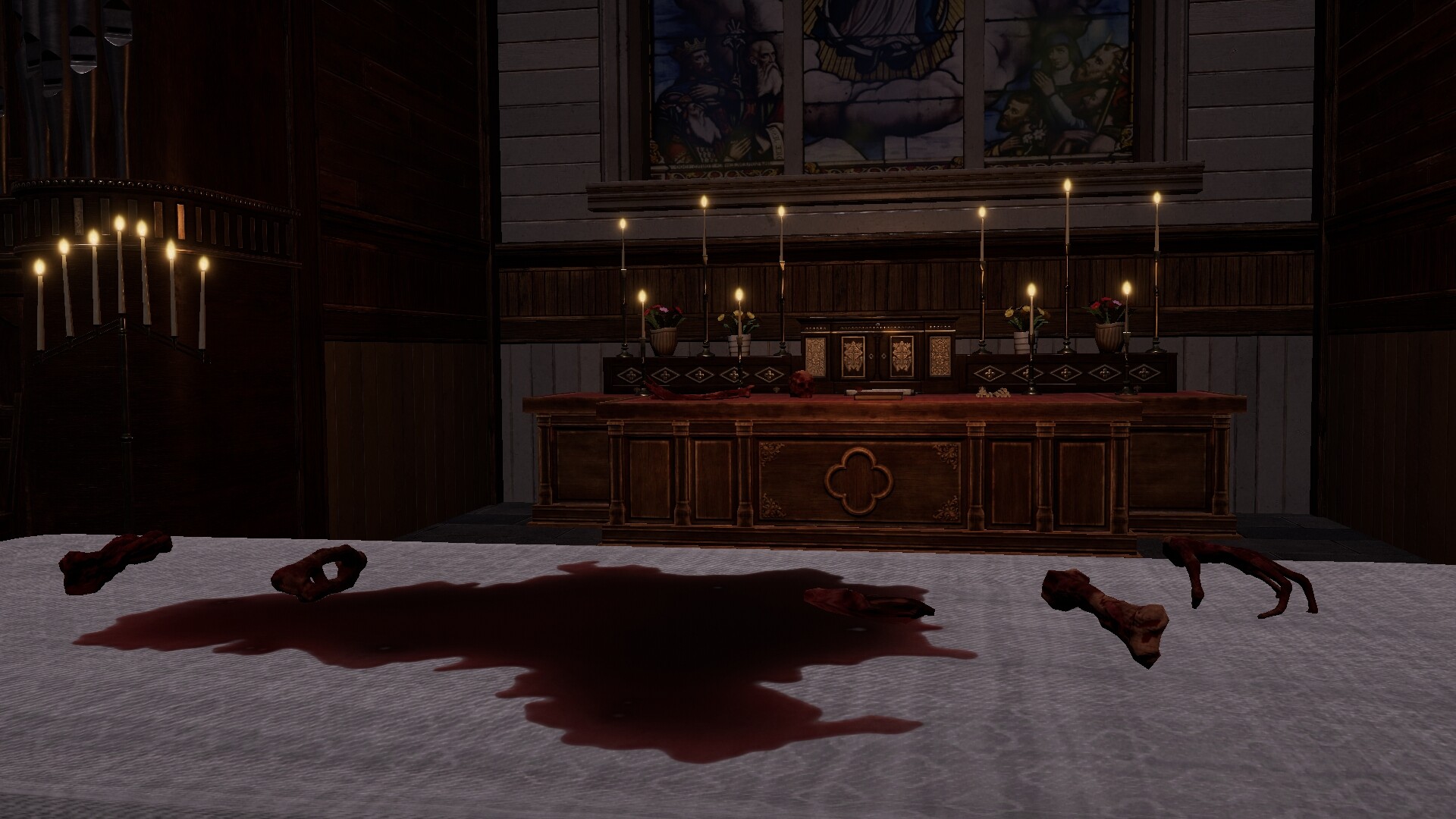
Mansion mysteries work well for clue-chain momentum because the environment itself can be treated as a serialized archive. The official text describes the house as “less abandoned than erased”: furniture in place, missing photographs, and secured systems that return when power is restored. That setup turns environmental reading into a primary narrative mechanic — the player’s close inspection of objects and circuits yields both puzzles and story fragments that compound into a larger picture.
How you read clues and make progress
The game’s premise makes two things clear: first, restoration (powering systems) is a trigger for new information; second, discoveries are nested — safes and encrypted documents yield fragments that point to falsified identities and suspicious transfers. Expect a chain-puzzle rhythm: examine, combine, restore, and then follow the next thread. The listed categories (playable without timed input, subtitle options) suggest a pace that favors inspection over reflexes.

Player scenarios — when this will satisfy you (and when it won’t)
- Play this if: you enjoy methodical investigation and puzzles that unlock story beats. You like reading rooms as case files and following financial or identity-based trail threads.
- Don’t play this if: you primarily want fast-paced combat, multiplayer, or reflex challenges. The game’s categories and official text point to a single-player, investigative rhythm rather than action spectacle.
- Good solo-session fit: short, focused sittings where you study a room and chip away at a puzzle chain. The lack of timed input options supports a contemplative approach.
How it compares to nearby mystery and puzzle titles
Below is a compact editorial comparison focusing on genre, atmosphere, puzzle focus, exploration style, story tone, and pacing — intended to help readers decide whether Trace of the Villa aligns with their preferences.
| Title | Genre / Core focus | Atmosphere & Story Tone | Puzzle / Exploration Style | Pacing / Player Fit |
|---|---|---|---|---|
| Trace of the Villa | Action, Adventure, Indie | Mansion mystery; erased identities; personal investigation (missing sister) | Clue-chain, environmental reading, secured systems & safes revealed as you restore power | Deliberate, investigative; single-player sessions without timed input |
| The Room | Adventure, Indie | Claustrophobic, tactile mystery in a single locked environment | Strong emphasis on mechanical, interlocking puzzles and physical inspection | Slow-burn puzzling for focused, solitary play |
| The Room Two | Adventure, Indie | Expanded cryptic environments with a similar tactile, eerie tone | Layered mechanical puzzles that escalate in complexity | Methodical puzzling with increasing challenge |
| Escape Simulator | Adventure, Casual, Indie, Simulation | Varied rooms, often playful; supports creative solutions | Highly interactive rooms; physics, furniture movement, item interaction; supports co-op | Flexible — casual to challenging; good for co-op or community content |
| Hi‑Fi RUSH | Action | Energetic, music-driven world; upbeat and combative tone | Rhythm-synced action mechanics rather than object-based puzzles | Fast-paced, action-oriented; not a direct match for escape-room style pacing |
| Football Manager 2022 | Simulation, Sports | Procedural, management-focused; realistic sports tone | Data-driven decision-making and planning, not environment-based puzzles | Long-form, strategic sessions; unrelated to escape-room mystery design |
Where to learn more (YouTube discovery)
If you want trailers or gameplay searches, use this YouTube discovery path (search results may include fan or developer content): Search Trace of the Villa trailer & gameplay on YouTube.
Decision guide: should you wishlist it?
Wishlist Trace of the Villa if you prioritize single-player, investigation-first design and enjoy narrative puzzles that require reading rooms and documents for context. The official premise — Jin following manifests and encrypted fragments in a mansion that seems deliberately erased — points to a mystery where the act of uncovering is the core reward. If you want multiplayer or action-heavy pacing, this title is likely not aligned with those expectations.
Steam page
Leave a Reply