
Trace of the Villa: An escape-room style mystery that rewards chained logic and careful environmental reading
Trace of the Villa places you in the role of Jin, who follows fractured leads into a remote, decaying mansion where restored power and uncovered manifests begin to reveal a deeper conspiracy. The game leans on locked-room thinking and sequential puzzle momentum: every safe opened and system reactivated feeds new clues that point further down the trail.

Who this is for
If you favor atmospheric mystery adventure and story-rich exploration over twitch reflexes, Trace of the Villa is aimed at you. Players who enjoy slow-burn suspense, piecing together narrative from object clues, and following puzzle chains that unlock new investigation routes will find the game’s premise—Jin searching for his missing sister in a deliberately forgotten mansion—appealing. The Steam listing classifies it under Action, Adventure, and Indie and notes single-player options and accessibility features such as subtitle options and playable-without-timed-input mechanics.
What the game is
Trace of the Villa is a narrative puzzle-adventure in which Jin recovers manifests and hints inside a cut-off estate. According to the official Steam description, rooms appear furnished yet “erased” of identity; when Jin restores power, secured systems return online, hidden compartments unlock, and safes reveal encrypted fragments and suspicious transfer records. The result is a chain of puzzle moments that peel back layers of a concealed operation rather than a purely action-focused romp.
When and where
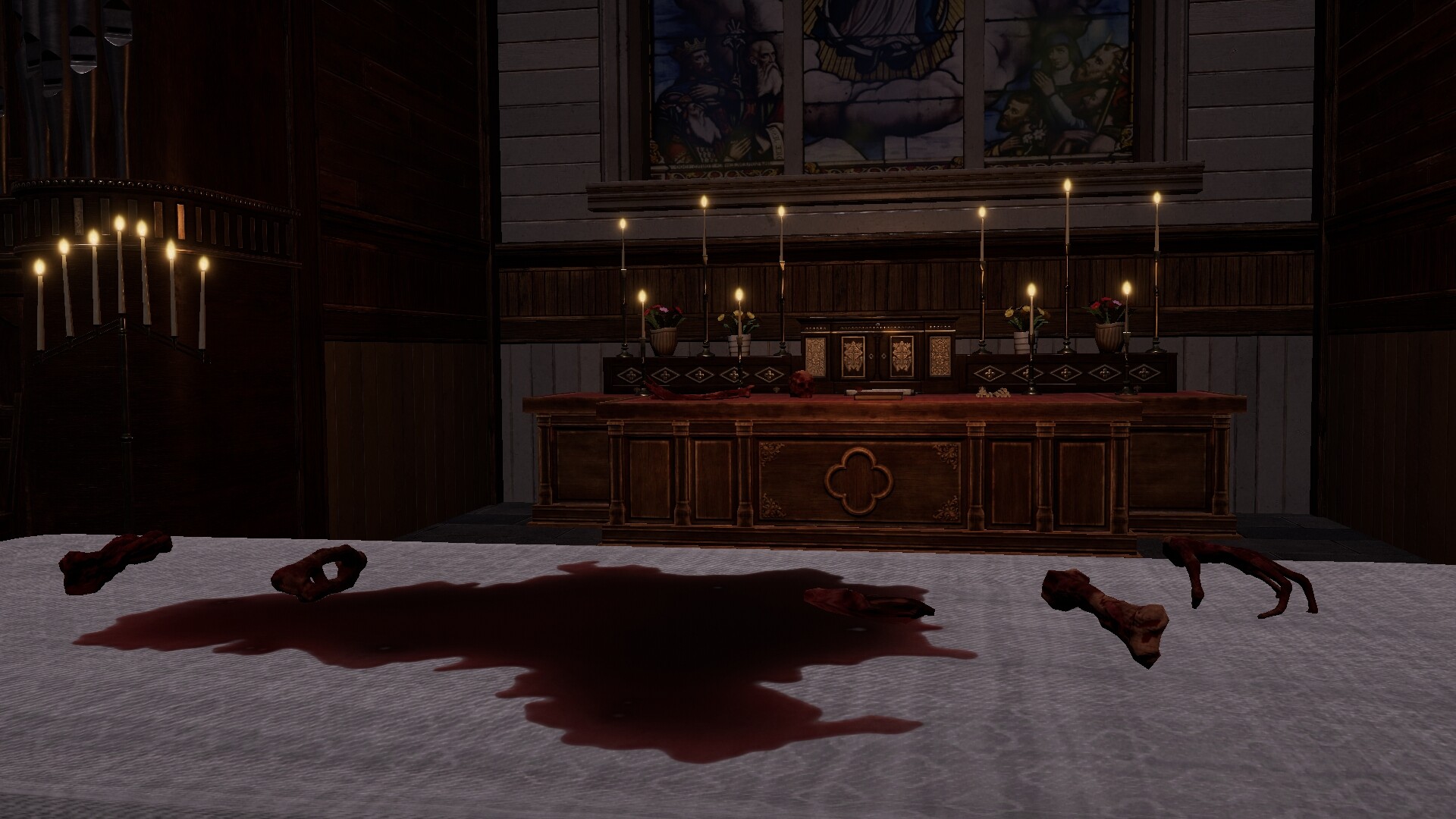
Trace of the Villa released on 28 May, 2026 and is available on Steam for PC. The developer and publisher listed on Steam are Steadyturtle Co., Ltd. The Steam page includes visual assets and screenshots that emphasize interiors, terminals, and detail-rich set dressing—visuals useful for players who read the environment for clues.
Quick facts
| Title | Trace of the Villa |
|---|---|
| Steam AppID | 3483660 |
| Release date | 28 May, 2026 |
| Developer / Publisher | Steadyturtle Co., Ltd. |
| Genres | Action, Adventure, Indie |
| Categories / Features | Single-player; Color Alternatives; Custom Volume Controls; Playable without Timed Input; Subtitle Options; Family Sharing |
| Official short description | Jin has spent years searching for his missing sister, pursuing leads that took him to a remote, decaying mansion where he recovered manifests and hints that indicate his sister may still be alive, somewhere at the end of the trail he is about to follow. |
Why the theme matters: erased identities and institutional mystery
The Steam description frames the mansion as a place where identities and records have been deliberately removed. That matter-of-fact set dressing matters for gameplay: when an environment is intentionally depersonalized, players must lean harder on physical traces—manifests, transaction records, powered-up systems—to reconstruct chronology and motive. For players interested in environmental storytelling and psychological investigation, that approach converts set dressing into the primary narrative engine.
How the game uses escape-room logic, object clues, and puzzle-chain momentum
Trace of the Villa’s puzzle logic is signalled clearly in the Steam text: restoring power reactivates systems, unlocking compartments and access to new evidence. That flow mirrors a classic escape-room chain: a solved puzzle yields a tool or piece of information that enables the next puzzle. In practice—based on the official description—expect a rhythm of observation, restore-or-operate interactions (terminals, safes, secured systems), and reading documents for next steps. The emphasis is on chained reward rather than isolated riddles: each discovery both solves and prompts new questions.

Player scenarios: who should wishlist this
- Environmental readers: You like reconstructing events from furniture positions, documents and powered terminals rather than from explicit cutscenes. The premise centers discovery through reactivated systems and hidden compartments.
- Slow-burn investigators: You prefer steady momentum: solve one lock, the next system comes online and brings a new puzzle. The game’s setup suggests a chain-based forward motion rather than arcade pacing.
- Story-first puzzle players: You want puzzles that feed narrative evidence—manifests, transfer records, falsified identities—so every solved puzzle meaningfully expands the story’s scope.
- Accessibility-conscious players: Steam lists subtitle options and playable-without-timed-input, which suits players who dislike timing pressure.
How it compares to nearby mystery / puzzle titles
Below is a compact editorial comparison focused on genre, atmosphere, puzzle focus, exploration style, story tone and pacing. This is an editorial discovery, not an endorsement.
| Title | Genre / Core | Atmosphere | Puzzle focus | Exploration style | Pacing / Tone |
|---|---|---|---|---|---|
| Trace of the Villa | Action / Adventure / Indie | Decaying mansion, institutional erasure | Chained puzzles, systems reactivation, document clues | Focused indoor investigation across rooms and secured systems | Slow-burn, investigative |
| The Room | Adventure / Indie | View Trace of the Villa on Steam
YouTube discoveryFor trailer and gameplay discovery, use YouTube search rather than relying on unverified embeds: Find Trace of the Villa trailer and gameplay searches on YouTube. CommentsMore posts |
Leave a Reply