
Trace of the Villa — how locked-room logic, object clues, and puzzle-chain momentum steer a mansion mystery
Trace of the Villa drops you into a decaying mansion where Jin follows recovered manifests and hints that his missing sister may still be alive. The game pairs locked-room thinking with environmental storytelling and chained puzzles that reveal the house’s erased identities as you restore power and unlock secrets.

Who this is for
If you prefer slow-burn suspense and methodical puzzle work over twitch reflexes, Trace of the Villa is aimed at you. The Steam page lists it as Action / Adventure / Indie and Single-player, with options like Color Alternatives, Custom Volume Controls, Playable without Timed Input, and Subtitle Options — all helpful signals for players who want accessibility and a measured, thoughtful pace rather than action-heavy set pieces.
What the game is
Developed and published by Steadyturtle Co., Ltd., Trace of the Villa centers on Jin, who has spent years looking for his missing sister. A lead puts him in a remote, deliberately forgotten mansion; inside, rooms look like occupants vanished mid-routine, identities and records scrubbed. As Jin restores power, secured systems, safes, and hidden compartments begin to yield fragments — manifests, encrypted documents, suspicious transfer records — that together suggest the estate was part of something larger and controlled.

When and where — Steam release details
Trace of the Villa released on Steam on 28 May, 2026. The Steam app page (appid 3483660) lists the developer and publisher as Steadyturtle Co., Ltd., and places the game in Action, Adventure, Indie genres with single-player and accessibility-focused categories noted above. If you want to support discovery directly, you can visit the Steam page here: Trace of the Villa on Steam.
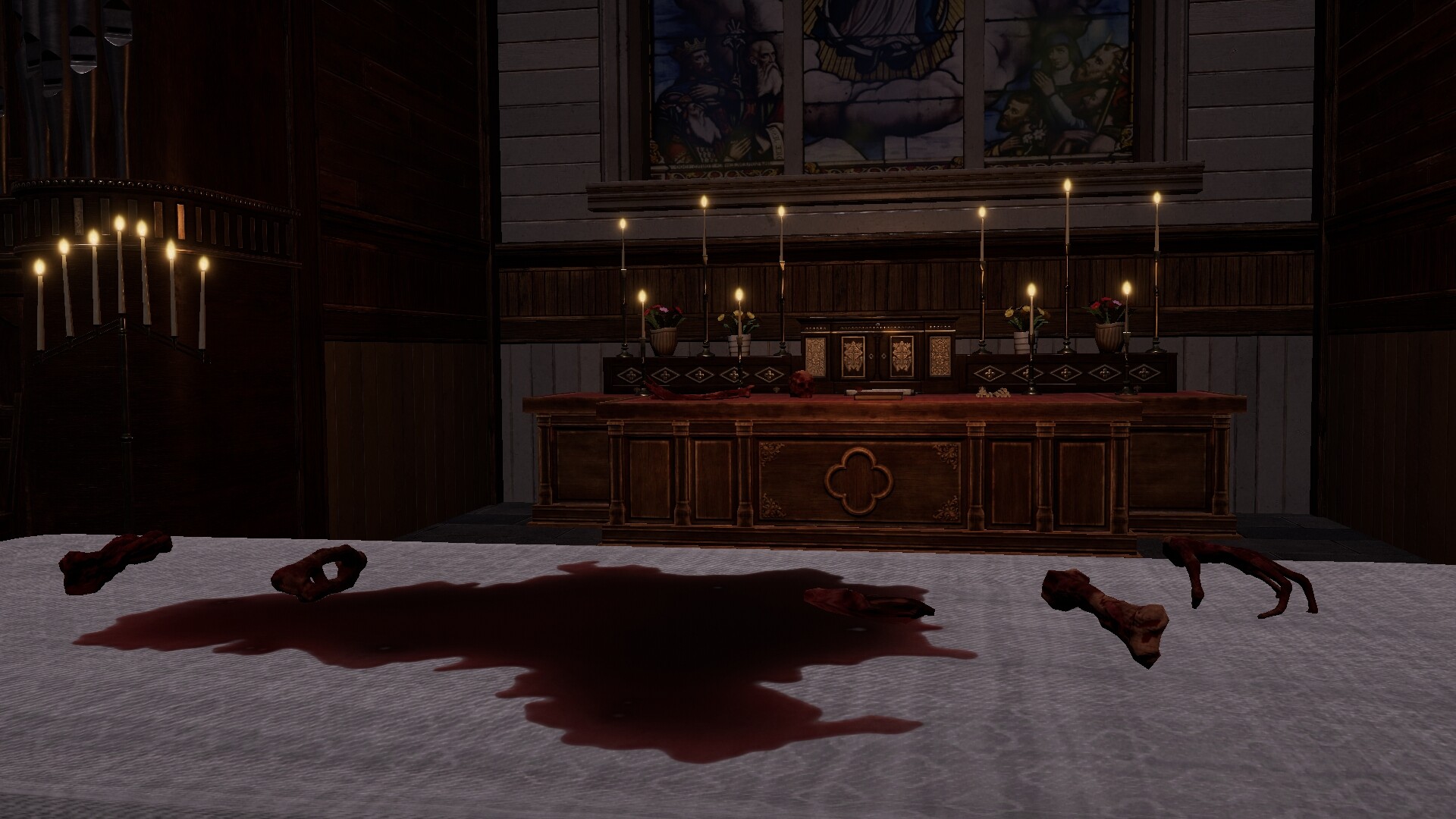
Why the theme matters — locked-room thinking and erased identities
Trace of the Villa’s central conceit — a house that doesn’t merely feel abandoned but appears intentionally erased — is fertile ground for escape-room logic. When a location has been “sanitized,” every object that remains is potentially meaningful: a misplaced ledger entry, a scratched calendar, a powered-down circuit panel. The narrative pressure (Jin’s missing sister) gives each found fragment stakes, turning inventory items and recovered manifests into both puzzle keys and story beats.
How you read clues and progress — object clues, chain puzzles, and momentum
The Steam description describes restoring power and seeing secured systems come back online, hidden compartments unlock, and safes yield encrypted fragments. That progression model maps cleanly to puzzle-chain momentum: one solved lock provides a key or datum that validates a hypothesis, which in turn points to the next locked door or system. Expect environmental reading — scanning rooms for irregularities and using recovered documents to connect locations and timelines — rather than repeated trial-and-error or reflex tests. The game’s “Playable without Timed Input” tag reinforces a focus on thoughtful deduction over pressure-driven mechanics.
Player scenarios — which sessions suit different tastes
- The methodical solo detective: You like scanning a room, cataloguing every object, and stitching together timelines. Trace of the Villa’s manifests and encrypted fragments offer a steady drip of new leads that reward careful note-taking.
- The atmosphere-first explorer: If the slow-burn mood, the erased identities, and sense of a house holding its breath are what you want, the mansion’s furnished-but-frozen spaces will deliver. You’ll be reading context as much as solving explicit puzzles.
- The puzzle-chain runner: You enjoy a sequence where one unlock reveals a new subsystem to interrogate. Restoring power and working through secured systems to open the next layer will give you satisfying momentum.
Compact facts — Trace of the Villa
| Title | Trace of the Villa |
|---|---|
| Steam appid | 3483660 |
| Developer / Publisher | Steadyturtle Co., Ltd. |
| Release date | 28 May, 2026 |
| Genres | Action, Adventure, Indie |
| Categories / features | Single-player; Color Alternatives; Custom Volume Controls; Playable without Timed Input; Subtitle Options; Family Sharing |
| Short premise | Jin searches a remote, decaying mansion for leads that suggest his missing sister may still be alive; recovered manifests and secured systems reveal layers of a concealed operation. |
How it compares — concise editorial table
| Title | Release | Core focus (genre / atmosphere) | Player fit (puzzle & pacing) |
|---|---|---|---|
| The Room | 28 Jul, 2014 | Adventure / Indie — claustrophobic, tactile puzzle boxes | Single-player, puzzle-first; ideal if you like mechanical safes and tactile inspection. |
| The Room Two | 5 Jul, 2016 | Adventure / Indie — expanded, cryptic puzzle environments | For players who want layered mechanical puzzles with increasing narrative scope and atmosphere. |
| Escape Simulator | 19 Oct, 2021 | Adventure / Simulation / Indie — interactive escape rooms, physics-driven | Good for those who want high interactivity, physics puzzles, and co-op options; more sandbox-y than strictly narrative-driven. |
| Hi‑Fi RUSH | 25 Jan, 2023 | Action — rhythm-synced combat and bright presentation | Not a narrative mansion-mystery; for players who prefer fast-paced action and music-driven systems over slow environmental reading. |
YouTube discovery
If you want to see trailers or gameplay clips, try searching YouTube: Trace of the Villa trailer & gameplay (YouTube search). This link is a discovery path; it does not assert any specific video is the official trailer.
Referenced titles and trademarks belong to their respective owners; comparisons above are editorial discovery, not endorsements.
Leave a Reply