
Trace of the Villa — a mansion mystery built around locked‑room thinking and clue chains
Trace of the Villa places you in a remote, decaying mansion as Jin, a man who has spent years searching for his missing sister, following manifests and hints that suggest she may still be alive. Released on 28 May, 2026 and developed and published by Steadyturtle Co., Ltd., the game pairs environmental reading and reconstructed systems with narrative puzzles to turn a ruined estate into a layered investigation.

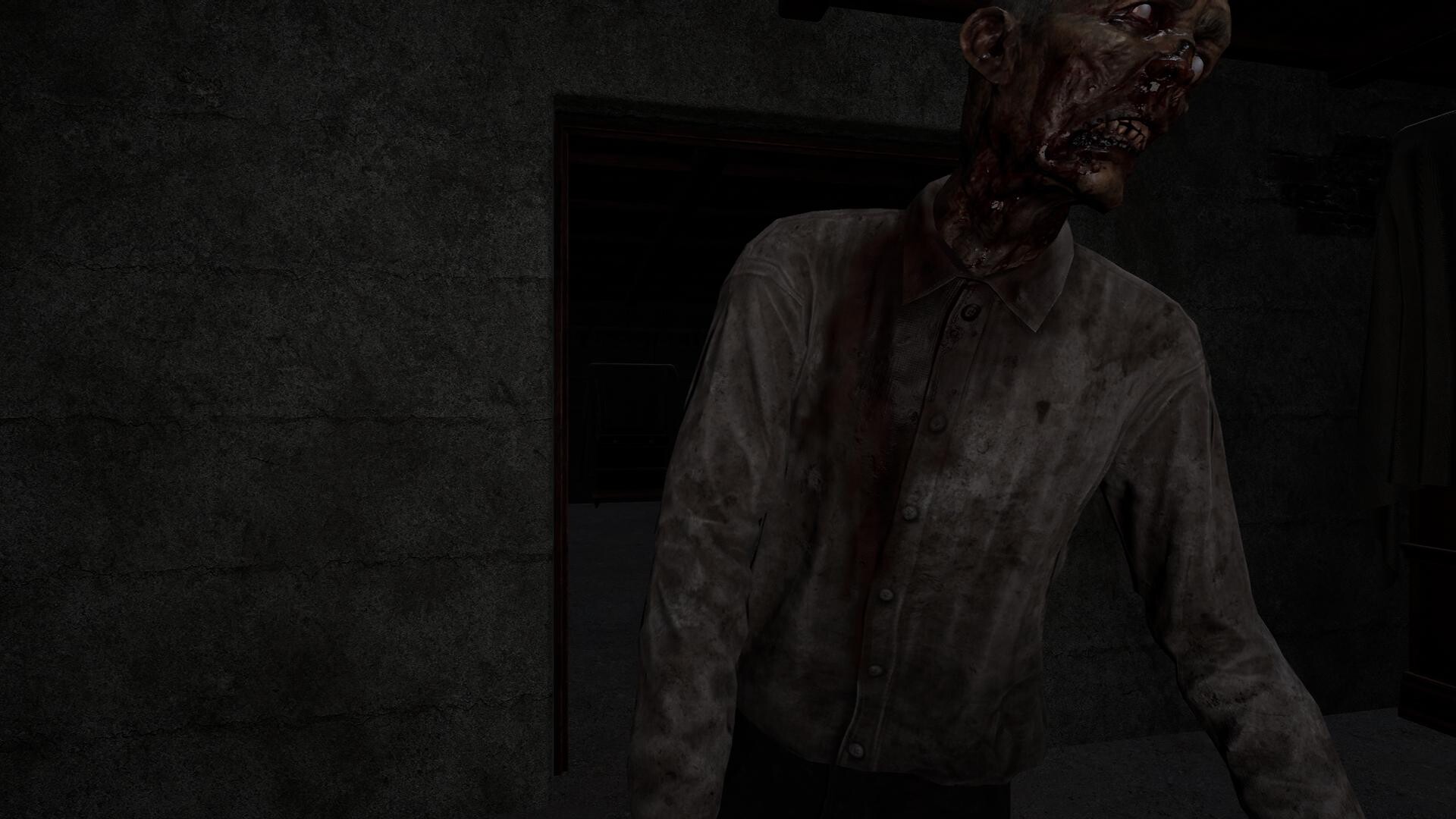
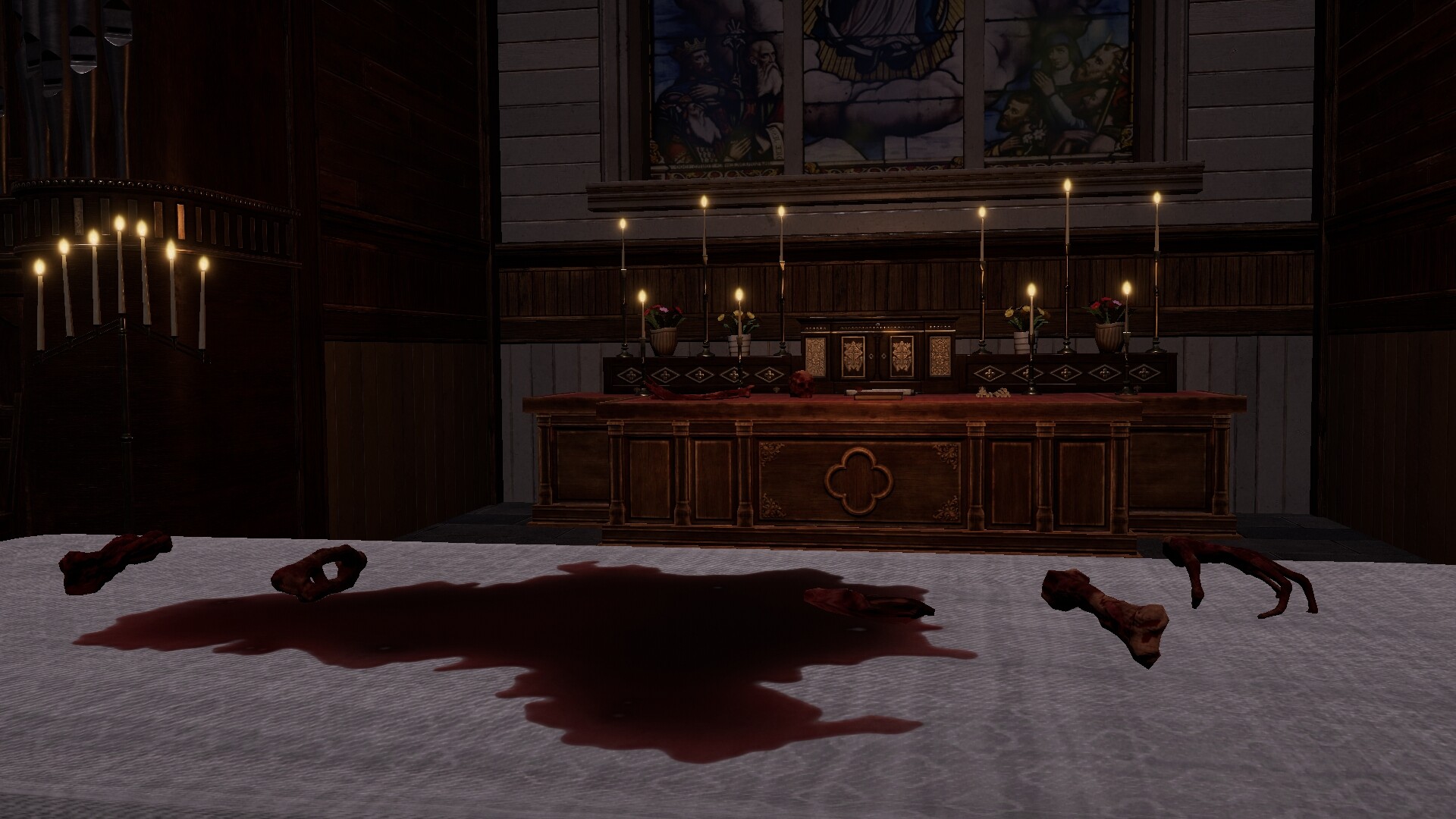
Quick facts
| Title | Trace of the Villa |
|---|---|
| Release date | 28 May, 2026 |
| Developer / Publisher | Steadyturtle Co., Ltd. |
| Genres | Action, Adventure, Indie |
| Steam categories | Single-player; Color Alternatives; Custom Volume Controls; Playable without Timed Input; Subtitle Options; Family Sharing |
| Steam reviews (public summary) | No user reviews |
| Store page | Trace of the Villa on Steam |
Who is this for?
If you favour atmospheric mystery adventure on PC and enjoy slow-burn suspense that rewards careful observation, Trace of the Villa is pitched at you. Players who enjoy locked‑room thinking — where a single environment contains interlocking puzzles and narrative fragments — and those who appreciate environmental storytelling and clue chains that connect mundane objects to larger conspiracies will likely get the most out of Jin’s investigation.
What the game is
Trace of the Villa is a story‑rich, mansion‑set investigation: Jin arrives at a property “cut off from the grid and deliberately forgotten” and works through rooms that feel “erased.” The Steam description emphasizes restoring power and secured systems that, once active, reveal hidden compartments, safes and encrypted documents. Puzzles are embedded in that forensic process: the estate itself is both setting and puzzle box.
When and where
The game is available on Steam, released 28 May, 2026. The Steam store entry lists the developer and publisher as Steadyturtle Co., Ltd., and includes accessibility niceties like subtitle options and custom volume controls — useful for players who prioritise comfortable play and reading fine environmental details.
Why the mansion theme matters
Mansion mysteries compress story, object, and motive into a single place, and Trace of the Villa uses that compression deliberately. The setting supports two editorial strengths: first, an emotional throughline (Jin’s search for his sister) that gives each clue personal weight; second, architectural and system-based puzzles (power, safes, encrypted manifests) that let the player progress by understanding how the house was used and repurposed. That combination turns environmental reading into investigative work: a forced methodicality that fits players who prefer thinking, collecting and connecting over reflex action.
How you progress — clue chains and environmental reading
Progression, per the Steam description, hinges on restoring estate systems and following the traces they expose. Expect to move between rooms, reactivate machinery or power, unlock secured storage, and compile fragments (manifests, transfer records, encrypted documents). The core loop is clue → context → unlock: find a hint, interpret it against the environment, then use the restored system or object to open the next layer. That is textbook locked‑room puzzle design adapted into a sprawling, slow‑burn mansion mystery.
Player scenarios — who should wishlist this
- Curious, patient players who enjoy assembling timelines from physical evidence and partial records (manifests, transfers, safes).
- Fans of atmospheric, single‑player indie adventures who prioritise exploration and narrative puzzles over twitch or combat mechanics.
- Players who want accessibility options like subtitles and custom volume controls so they don’t miss audio or text clues.
- Those who prefer investigative pacing and “aha” moments produced by reading environments rather than by overt hand‑holding.
How it compares to nearby mystery/puzzle games
Below is an editorial comparison focusing on genre, atmosphere, puzzle focus, exploration style, story tone and pacing so you can judge fit, not superiority.
| Title | Core genre / tone | Puzzle focus | Exploration style | Story tone / pacing | Good for players who… |
|---|---|---|---|---|---|
| Trace of the Villa | Action / Adventure / Indie — mansion mystery | Environmental puzzles, locked systems, clue chains | Single-location (estate) exploration; system restoration reveals new areas | Slow-burn, investigative, personal stakes (search for a missing sister) | Prefer narrative puzzle progression and piecing together documents and systems |
| The Room | Adventure / Indie — intimate puzzle box | Mechanical puzzles and tactile puzzle boxes | Contained, focused spaces (one room / safe at a time) | Dense, puzzle-driven, intimate mystery | Enjoy micro‑puzzles and tactile, object-based problem solving |
| The Room Two | Adventure / Indie — puzzle box in varied locations | Complex mechanical puzzles across linked set pieces | Series of discrete, handcrafted puzzle spaces | Atmospheric and methodical; puzzle-first pacing |
YouTube discoveryFor trailer and gameplay discovery, use YouTube search rather than relying on unverified embeds: Find Trace of the Villa trailer and gameplay searches on YouTube. CommentsMore posts |
Leave a Reply