
Trace of the Villa — a slow-burn mansion mystery for clue-driven players
A decaying mansion, a missing sister, and a trail of manifests and locked doors define Trace of the Villa, Steadyturtle Co., Ltd.’s story-led mystery arriving on Steam on 28 May, 2026. If you prize environmental storytelling, chained clues, and methodical read‑the‑room investigation over action spectacle, this one is built for your attention span.

Quick facts
| Title | Trace of the Villa |
|---|---|
| Developer / Publisher | Steadyturtle Co., Ltd. |
| Release date | 28 May, 2026 |
| Genres | Action, Adventure, Indie |
| Steam categories | Single-player; Color Alternatives; Custom Volume Controls; Playable without Timed Input; Subtitle Options; Family Sharing |
| Steam page | Store: Trace of the Villa |
| Steam reviews | No user reviews on Steam (as listed on the store at time of inspection). |
What the game is (the core)
Trace of the Villa casts you as Jin, a man chasing a lead about his missing sister into an off‑grid, deliberately forgotten mansion. The official Steam description frames the experience as investigative and atmospheric: you restore power, unlock secured systems, open safes and hidden compartments, and assemble encrypted fragments and transfer records. The game positions itself as an environmental, clue‑driven investigation inside a residence that feels “erased” rather than simply abandoned.
Who it’s for
This is for players who enjoy slow-burn suspense and careful observation: people who prefer reading patterns across rooms, tracing paper trails and financial oddities, and solving chained puzzles that reveal narrative layers. If you like story-rich adventure where each solved lock or restored circuit yields a new piece of timeline or motive, Trace of the Villa is aimed at you. Players who want quick pickups or non‑stop combat may find the pacing deliberately restrained.
When and where
Trace of the Villa released on Steam on 28 May, 2026. The Steam page lists the game as Action / Adventure / Indie and shows it under single-player categories with accessibility options such as subtitles, color alternatives, and custom volume controls.
Why the mansion setting matters
Mansion mysteries work for puzzle design because rooms act as natural containers for clues, props, and narrative beats. The Steam description emphasises that rooms are furnished as if occupants vanished mid-routine and that identities appear to have been removed—details that encourage players to use contextual reading to reconstruct events. Mechanically, a single large estate lets designers chain puzzles across locations: something discovered in the study can recontextualize an object in a bedroom or trigger a security system in a basement lab. That chaining is central to locked‑room thinking and the game’s premise.
How progression and clue-reading are presented
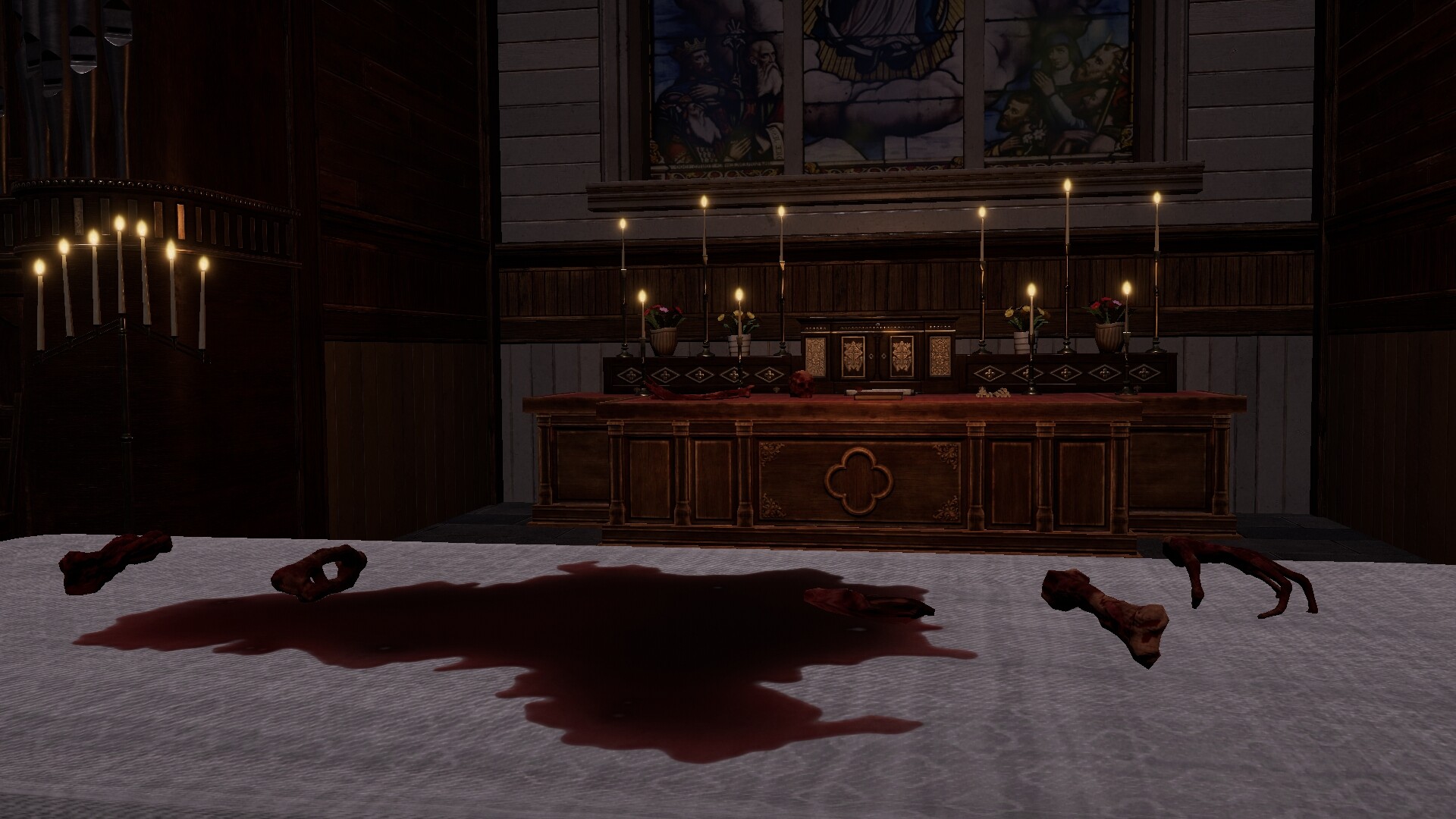
According to the store text, progression leans on restoration and investigation: restoring power brings secured systems back online; safes and hidden compartments yield encrypted documents and suspicious transfer records that point toward larger operations. Expect progression to feel like assembly work—collecting fragments, translating leads, and following financial or identity trails rather than relying on random puzzles. This is a clue-chain model where earlier discoveries unlock meaningful changes to the mansion and the story timeline.

Practical player scenarios
- Night-time puzzle session: You want an absorbing hour or two of methodical play—read labels, record serial numbers, match encrypted fragments. The mansion format supports episodic solving without combat breaks.
- Long-form investigation: You plan multiple sessions to track a timeline across rooms; the game’s hint of financial trails and falsified identities rewards players who retain context across sessions.
- Accessibility‑minded players: The Steam page lists subtitles, color alternatives, and custom volume controls—useful if you rely on textual clues and pacing rather than timed inputs.
How it compares to nearby mystery/puzzle titles
Below is an editorial comparison focusing on genre, atmosphere, puzzle focus, exploration, story tone and pacing to help decide if Trace of the Villa matches your tastes.
| Title | Primary genres | Puzzle focus | Exploration style | Story tone / pacing | Best for |
|---|---|---|---|---|---|
| Trace of the Villa | Action / Adventure / Indie | Clue chains, environmental puzzles, locked safes & secured systems | Single large estate; read-the-room, restores-power progression | Slow-burn, investigative, personal mystery (missing sister) | Players who like methodical, narrative puzzle investigations |
| The Room | Adventure / Indie | Intricate object-based puzzles and puzzle boxes | Focused, single-room to limited-location exploration | Mysterious and tactile, puzzle-box centric, deliberate pacing | Players who enjoy close-up mechanical puzzles and tactile problem solving |
| Escape Simulator | Adventure / Casual / Indie / Simulation | Highly interactive escape rooms; physics and object interaction | Many distinct rooms, community-made content, sandbox interaction | Varied tone dependent on room; often playful or experimental | Players who want hands-on object interaction, co-op or workshop rooms |
| Hi‑Fi RUSH | Action | Minimal puzzle focus—rhythm and combat systems | Linear levels synced to music | High-energy, fast-paced, rhythm-driven | Players preferring action and beat-synced combat over puzzles |
Should you wishlist it?
Wishlist Trace of the Villa if you actively enjoy atmospheric mansion puzzles, chained investigative progression, and narrative payoff that builds through environmental reading. If you expect quick thrills, heavy action or cooperative puzzle play, consider that the game’s Steam metadata and description emphasise single‑player investigation and slow reveal mechanics.
YouTube discovery
For trailer and gameplay discovery, use YouTube search rather than relying on unverified embeds: Find Trace of the Villa trailer and gameplay searches on YouTube.
Leave a Reply