
Trace of the Villa: A mansion mystery built around locked‑room thinking and clue chains
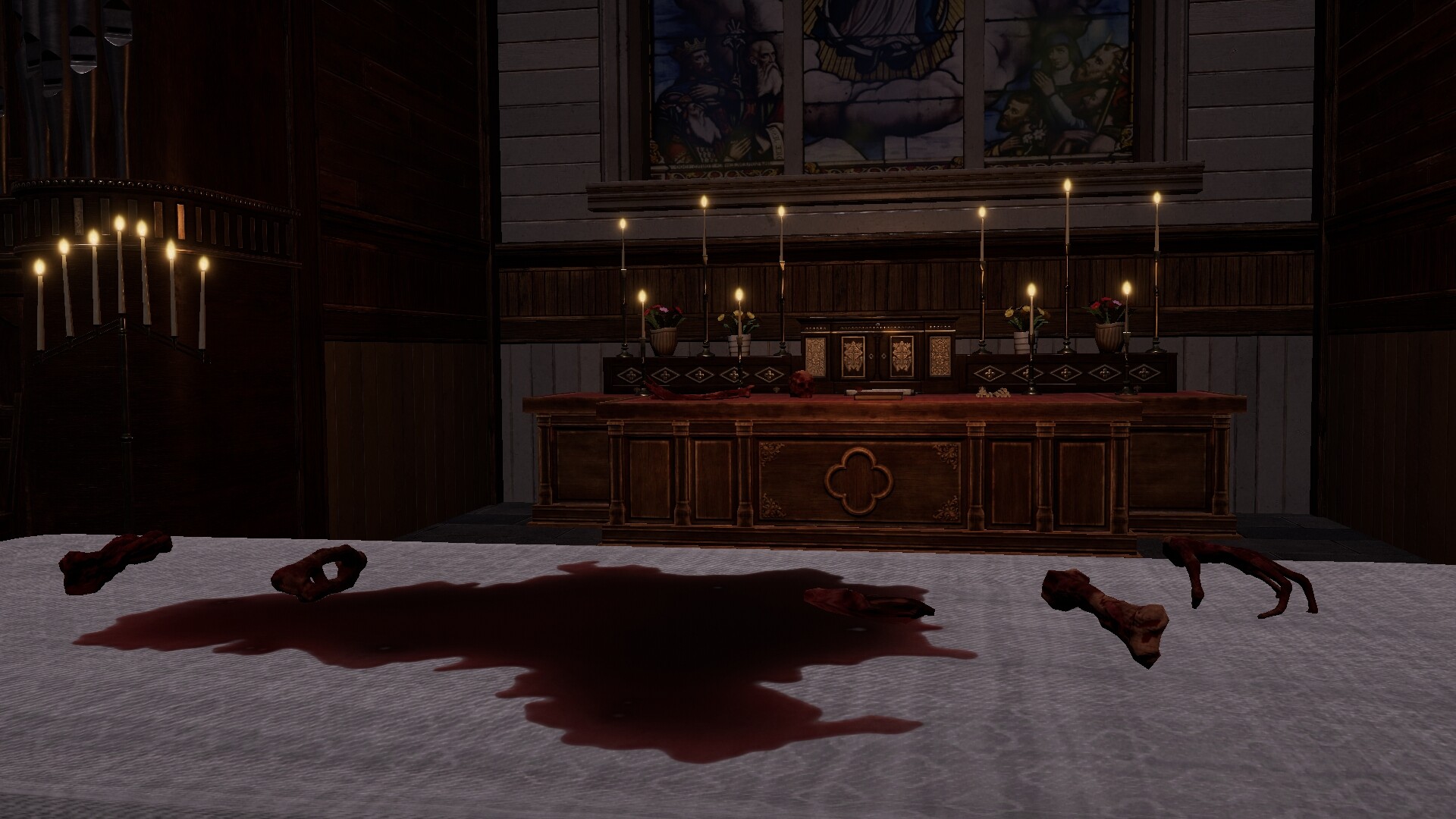
Trace of the Villa stages a slow, investigative trek through a decaying mansion where every locked door and dusty ledger is part of a chain of clues leading toward one man’s missing sister. The Steadyturtle Co., Ltd. release (28 May, 2026) blends environmental storytelling with puzzle-forward exploration for players who prefer reading rooms to rote combat.

Who this is for
Players who enjoy atmospheric mystery adventure and narrative puzzle design will find Trace of the Villa appealing. It suits solo players who like: methodical clue-gathering, reading environmental cues, and solving chained puzzles without pressure (the Steam page lists “Playable without Timed Input” among its categories). If you prefer quick-action, multiplayer, or physics-sandbox puzzling, this leans heavier toward investigation and tone than kinetic variety.
What the game is
Trace of the Villa is an Action / Adventure / Indie title from Steadyturtle Co., Ltd., available on Steam. The official short description frames the premise: Jin has spent years searching for his missing sister and follows leads to a remote, decaying mansion where manifests and hints suggest she may still be alive. The game’s official description emphasizes restored power revealing secured systems, hidden compartments, encrypted documents, falsified identities, and a house that feels “less abandoned than erased.”
Key Steam categories include Single-player, Color Alternatives, Custom Volume Controls, Playable without Timed Input, Subtitle Options, and Family Sharing — a signal that the build supports accessibility choices and a solo, contemplative experience.
When and where
Trace of the Villa released on Steam on 28 May, 2026. You can view the store page and wishlist or purchase it on Steam: Trace of the Villa on Steam.
At the time of writing there are no user reviews recorded on the Steam page.
Why the mansion theme matters
Mansion settings are ideal for locked-room thinking because they concentrate narrative and mechanical elements in a contained footprint. Trace of the Villa uses the house as an evidence archive: rooms act as nodes in a clue graph, personal effects — notably with identities deliberately removed — become puzzle fodder, and power restoration mechanics unlock both story beats and new investigation avenues. For players invested in environmental storytelling, this structure turns exploration into logical deduction rather than fetch questing.
How you read clues and progress
Based on the official description, progression is driven by chained discoveries: restore systems or open a safe, recover a manifest, use that manifest to pivot to another room or terminal, and decode the next lead. That pattern — repeated encounters with locked doors, encrypted documents, and falsified records — rewards players who take notes, track relationships between objects, and re-examine spaces after unlocking new mechanics. Because the Steam categories call out “Playable without Timed Input” and accessibility options, the puzzle loop appears designed for deliberate analysis rather than reflexes.

Concrete facts — Trace of the Villa
| Title | Trace of the Villa |
|---|---|
| Steam AppID | 3483660 |
| Release date | 28 May, 2026 |
| Developer | Steadyturtle Co., Ltd. |
| Publisher | Steadyturtle Co., Ltd. |
| Genres | Action, Adventure, Indie |
| Categories (selected) | Single-player; Playable without Timed Input; Subtitle Options; Color Alternatives; Custom Volume Controls; Family Sharing |
| Official short description | Jin has spent years searching for his missing sister, pursuing leads that took him to a remote, decaying mansion where he recovered manifests and hints that indicate his sister may still be alive, somewhere at the end of the trail he is about to follow. |
How Trace of the Villa aligns with other escape-room / mansion puzzle experiences
Below is a focused editorial comparison to help readers match tastes rather than rate or rank titles.
| Title | Primary focus | Atmosphere / tone | Exploration / puzzle style | Player fit |
|---|---|---|---|---|
| The Room (2014) | Puzzle box, tactile mechanical puzzles | Claustrophobic, curiosity-driven | Object-based, single-room to small-scale sequences | Players who like self-contained mechanical puzzles and tactile deconstruction |
| The Room Two (2016) | Expanded puzzle-box exploration across connected spaces | Mystical, steadily widening mystery | Multiple interconnected puzzle rooms with layered reveals | Those who enjoyed the first game’s puzzles but want broader scope and atmosphere |
| Escape Simulator (2021) | Highly interactive rooms, community-made content, optional co-op | Varies by room — from playful to tense | Physics interaction, object manipulation, wide variety of room types | Players wanting high interactivity, co-op options and user-created rooms |
| Trace of the Villa (2026) | Mansion-scale narrative investigation, chained documents and systems | Slow-burn, unsettling, investigative | Clue chains, encrypted documents, room-to-room evidence gathering | Solo players who prefer environmental storytelling, puzzle chains, and narrative deduction |
Player scenarios — who will enjoy the
YouTube discovery
For trailer and gameplay discovery, use YouTube search rather than relying on unverified embeds: Find Trace of the Villa trailer and gameplay searches on YouTube.
Leave a Reply