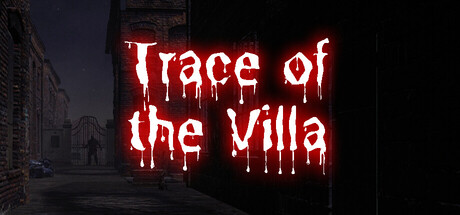
Trace of the Villa: a mansion mystery built on locked‑room thinking and clue chains
Trace of the Villa (Steadyturtle Co., Ltd.) drops players into a deliberately erased estate where Jin follows fragmented manifests and encrypted documents in search of his missing sister. Released on 28 May, 2026 for PC via Steam, the game frames its narrative through environmental reading and puzzle-led investigation rather than loud action setpieces.

Who this is for
Players who favour slow‑burn suspense, story‑rich adventure and atmospheric mystery are the primary audience. If you enjoy careful environmental storytelling, reconstructing timelines from small details, and puzzle chains that unlock narrative fragments, Trace of the Villa targets that appetite. It’s positioned in Steam’s Action / Adventure / Indie space but its categories (Single‑player, Subtitle Options, Playable without Timed Input, Color Alternatives, Custom Volume Controls, Family Sharing) indicate accessibility and a single‑player, contemplative focus.
What the game is
Trace of the Villa centers on Jin, who has spent years searching for his missing sister. Steam’s official description frames the mansion as “cut off from the grid and deliberately forgotten” with rooms “furnished as if their occupants vanished mid‑routine” and locked doors hiding “hastily secured secrets.” Mechanically and narratively the title builds around recovering manifests, encrypted documents and transfer records; restoring the estate’s power is a turning point that causes secured systems to come back online and hidden compartments to unlock.
When and where
Trace of the Villa released on 28 May, 2026 and is available on Steam for PC. The store page and discovery data show notable interest from United States players. At the time of writing Steam’s public review summary lists no user reviews yet.
Why the mansion theme matters
Mansion mysteries reward observational players: the setting itself becomes a puzzle. Because the Villa is described as deliberately purged of simple identity cues — “no photographs, no names, no history” — the player’s job is to read objects and systems as evidence. That removes reliance on explicit exposition and rewards chained inference: one solved safe yields a document, a document reframes a locked door, the door reveals a device that, when powered, recontextualizes an earlier clue. For players who want puzzles to grow the story rather than interrupt it, that architecture matters.
How you read clues and progress
Trace of the Villa’s official text explains a clear progression motif: “When Jin restores power to the estate, the house begins to reveal what it was hiding. Secured systems come back online. Hidden compartments unlock. Safes yield fragments of encrypted documents and suspicious transfer records.” This implies a loop of environmental reading (inspect rooms and objects), system restoration (returning power or access to devices), and document decoding (piecing together timelines and financial trails). In practice that maps closely to locked‑room puzzle design: solve a local problem to broaden the range of observable evidence, then chain that new evidence into the next problem.

Player scenarios — who should wishlist it
- Environmental puzzle players: You enjoy methodical observation and let a space’s details tell the story. Trace of the Villa’s puzzle loop of power restoration and document recovery will reward that approach.
- Slow‑burn mystery fans: If you prefer suspense that accumulates through small revelations instead of jump scares or fast combat, this fits your pacing expectations.
- Investigative narrativists: You want puzzles to deliver narrative fragments (manifests, transfer records) that change how you view earlier clues—this is core to the game’s design.
Compact facts — Trace of the Villa
| Title | Trace of the Villa |
|---|---|
| Developer / Publisher | Steadyturtle Co., Ltd. |
| Release date | 28 May, 2026 |
| Steam App ID | 3483660 |
| Genres | Action, Adventure, Indie |
| Categories / features | Single‑player; Color Alternatives; Custom Volume Controls; Playable without Timed Input; Subtitle Options; Family Sharing |
| Official premise | Jin follows leads to a remote, decaying mansion and recovers manifests and hints that indicate his sister may still be alive. |
| Steam reviews | No user reviews (public summary) |
How it compares to nearby mystery/puzzle titles
Below is a concise editorial comparison focused on puzzle style, atmosphere and player fit — intended to help you decide whether Trace of the Villa matches tastes formed by other escape‑room or mansion puzzle games.
| Title | Puzzle style | Atmosphere & tone | Exploration | Pacing / player fit |
|---|---|---|---|---|
| Trace of the Villa | Clue chains, power/system restoration, document decoding | Decaying mansion, erased identities, slow‑burn suspense | Single‑player, room‑by‑room reconstruction of timeline | Players who prefer narrative rewards from puzzles and methodical investigation |
| The Room | Mechanical safes and tactile object puzzles | Secluded, uncanny; intimate puzzle boxes | Focused on single‑object puzzles within contained spaces | Best for those who like hands‑on mechanical puzzles and short, dense sequences |
| The Room Two | Expanded versions of puzzle‑object chains with layered devices | Mystical and cryptic, episodic locations | Still object‑centric but broader in scope than the first | Players who enjoyed The Room and want longer, more varied puzzle sequences |
| Escape Simulator | Highly interactive rooms, physics and inventory‑style interactions; strong community content | Varies by room—often playful, sometimes tense | Open interaction, solo or co‑op, thousands of user‑made rooms | Good for social play and sandbox puzzle experimentation; less narrative‑driven |
YouTube discovery
Search for official trailers and gameplay footage via YouTube: Trace of the Villa trailer / gameplay search. The query will help you find developer trailers or player footage; the store data provides a YouTube search path rather than a verified specific video link.
View Trace of the Villa on Steam
Referenced titles and trademarks belong to their respective owners. Comparisons in this article are editorial discovery only and not endorsements or claims of superiority.
Leave a Reply