
Trace of the Villa — an atmospheric mansion mystery built around locked-room thinking and clue chains
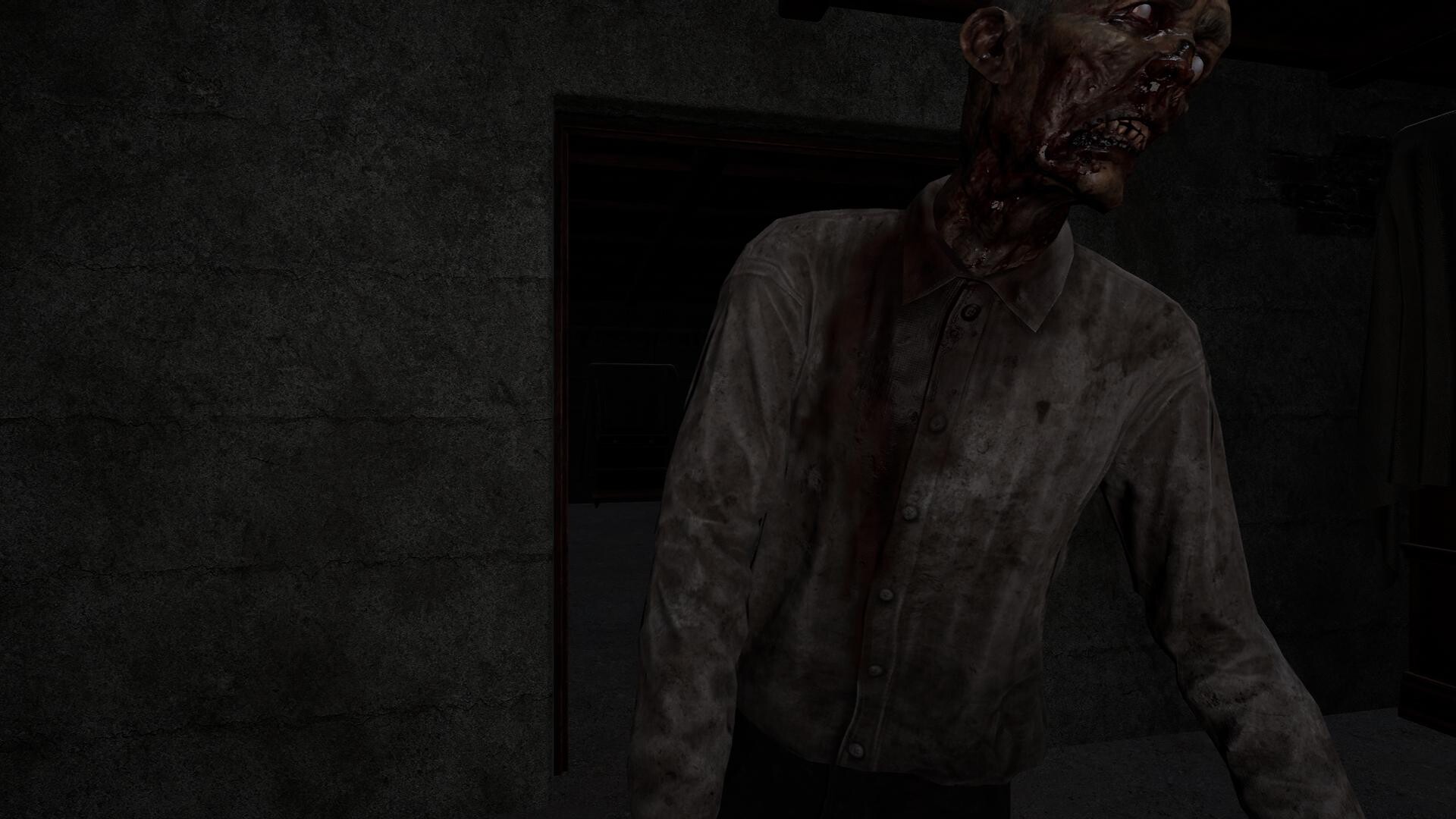
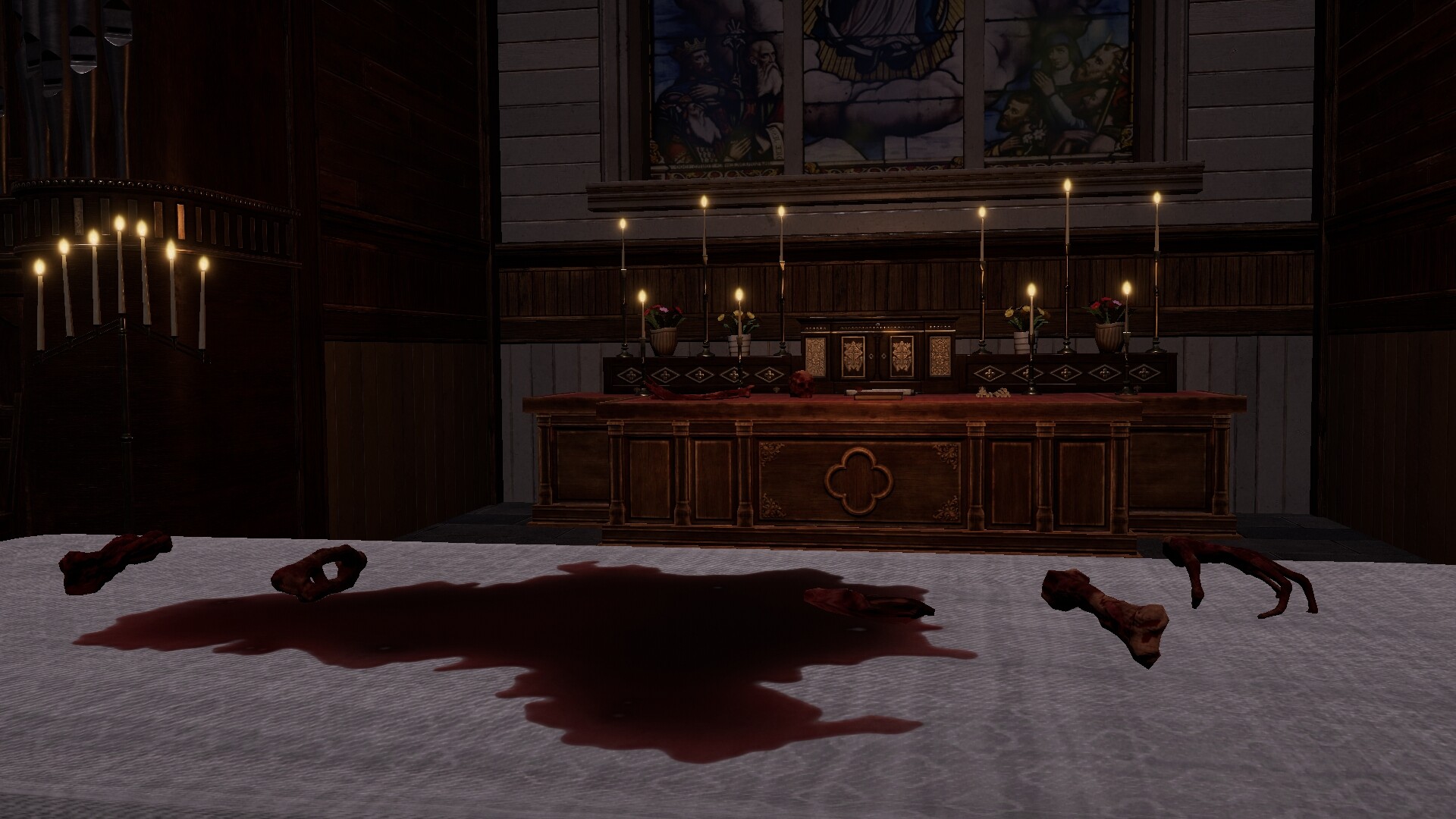
Trace of the Villa drops players into a decaying, cut-off mansion as Jin, a man following sporadic manifests and hints that suggest his missing sister may still be alive; the game launches on Steam on 28 May, 2026 from Steadyturtle Co., Ltd. This is a story-rich, clue-driven adventure that leans on environmental reading, restoration mechanics, and layered discovery rather than twitch action.

| Title | Trace of the Villa |
|---|---|
| Steam AppID | 3483660 |
| Release date | 28 May, 2026 |
| Developer / Publisher | Steadyturtle Co., Ltd. |
| Genres | Action, Adventure, Indie |
| Key categories | Single-player; Color Alternatives; Custom Volume Controls; Playable without Timed Input; Subtitle Options; Family Sharing |
| Official short pitch | Jin has spent years searching for his missing sister, pursuing leads that took him to a remote, decaying mansion where he recovered manifests and hints that indicate his sister may still be alive. |
Who should wishlist this on Steam?
- Players who favour slow-burn suspense and story-rich adventure over fast combat or multiplayer spectacle.
- Fans of environmental storytelling — people who enjoy piecing timelines together from objects, corrupted records, and the way rooms are staged.
- Those who like locked-room thinking and multi-step clue chains: if you enjoy puzzles that require connecting disparate fragments (documents, safes, restored systems), this is designed for you.
- PC players who need accessibility options: the Steam page lists subtitle options, custom volume controls, and “playable without timed input.”
What the game is — the mansion, the mood, the mechanics you can expect
Trace of the Villa is an atmospheric mystery adventure set primarily inside a deliberately forgotten estate. The official description frames the experience around investigation and restoration: Jin finds a property “cut off from the grid” with rooms “furnished as if their occupants vanished mid-routine.” When he restores power, “secured systems come back online,” “hidden compartments unlock,” and safes yield encrypted fragments — each solved puzzle surfaces another layer of a larger, concealed operation.
That language tells you two things about the puzzle design: first, the game uses environmental and systemic escalation (power, locks, encryption) to gate progression; second, narrative discovery is chained — solving one concealment uncovers documents and records that become keys for the next problem. It’s less about isolated mini-games and more about reading space and tracing cause-and-effect through a mansion’s artifacts.
When and where — Steam availability
Trace of the Villa is available on Steam as of 28 May, 2026. It is listed for PC under Action, Adventure, and Indie, with the store page including accessibility and playback options such as subtitle support and “playable without timed input.”
Why the mansion setting matters for puzzle players
Mansion mysteries naturally reward attention to staging: the placement of furniture, missing photographs, and altered paperwork all become puzzle signals. In Trace of the Villa the setting is explicitly built to erase identities and cover tracks — that core conceit makes environmental reading essential. The more tightly a game folds story into the physical space, the more satisfying a single connected clue chain becomes: a ledger entry leads to a locked safe; a recovered manifest suggests a name to cross-reference; a restored circuit powers a recorder that reorients the timeline.
How progression and clue-chains function (what to expect)
The official description describes restoration and discovery as central loop mechanics: restoring power reactivates systems, which then expose compartments and documents. That implies layered gatekeeping — not just puzzle gates but systems that react to player interventions. Expect to alternate between observation, small mechanical tasks (power, levers, unlocking), and interpretive work (reading manifests, tying transfer records to identities) until a coherent timeline emerges.
Player scenarios — five concrete ways Trace of the Villa fits into your playlist
- Evening detective session: You want a paced, contemplative investigative experience to play alone — clear single-player focus and no multiplayer distractions.
- Clue-chain hobbyist: You enjoy puzzles that reward chaining evidence across rooms rather than isolated logic puzzles; the mansion’s staged details are the material you’ll parse.
- Accessibility-conscious player: You appreciate subtitle options and the ability to play without timed input — useful if you prefer to take notes or step away mid-session.
- Story-first explorer: If the pull of recovering a missing person’s path and following a scattering of falsified identities and financial trails motivates you, this title’s premise is aligned with that appetite.
- Not for speedrunners: If you want constant action or competitive multiplayer, this isn’t built for that style — it’s a measured, investigative experience.
How Trace of the Villa compares to nearby mystery and puzzle titles
| Title | Genre / Release | Puzzle focus | Atmosphere / Story tone | Pace / Player fit |
|---|---|---|---|---|
| Trace of the Villa | Action / Adventure / Indie — 28 May, 2026 | Clue chains, environmental locks, restoration-triggered systems | Mansion mystery, erased identities, slow-burn suspense | Measured investigative play; single-player emphasis |
| The Room | Adventure / Indie — 28 Jul, 2014 | Tactile, boxed puzzle objects (safe/iron-chest style) | Enigmatic, intimate puzzle-box mood | Focused, puzzle-box sessions; single-player |
| The Room Two | Adventure / Indie — 5 Jul, 2016 | Similar tactile puzzles expanded across locations |
Leave a Reply