
Trace of the Villa and the logic of narrative puzzle adventures
Trace of the Villa drops players into a decaying mansion where Jin’s search for a missing sister unfolds through manifests, locked safes, and systems you must restore — a game built around reading clues and assembling a story from objects. Released 28 May, 2026 by Steadyturtle Co., Ltd., it’s a Steam indie that blends environmental storytelling with puzzle-led investigation.

Below I walk through the practical 5W1H so you can decide if Trace of the Villa fits your tastes: who should wishlist it, what it actually is on Steam, when/where to find it, why its theme matters, and how its clue-reading and object logic drive progression.
Who it is for
Players who prefer slow-burn suspense and puzzle-driven narrative over twitch reflexes. If you enjoy atmospheric mystery adventure and environmental storytelling — following paper trails, restoring systems, unlocking safes and reading manifests to learn what happened — this is targeted at you. The Steam page lists it under Action, Adventure, Indie and as Single-player with accessibility-friendly categories such as Color Alternatives, Custom Volume Controls, Playable without Timed Input, and Subtitle Options, which suits exploration-oriented players who want to take time with clues.
What the game is
Trace of the Villa casts you as Jin, a protagonist whose long search for his missing sister leads him to a remote, deliberately forgotten mansion. The official Steam description explains that rooms feel “erased” and identities are missing; restoring power and unlocking secured systems yields encrypted documents, suspicious transfer records, and layered puzzles that reveal an operation rather than a simple residence. The game’s tone is an atmospheric mystery adventure focused on piecing together story fragments through solved puzzles instead of explicit exposition.
When and where (Steam/PC context)
Trace of the Villa launched on Steam on 28 May, 2026. It’s developed and published by Steadyturtle Co., Ltd. — available on PC through the Steam store as an Indie action-adventure with single-player support and the categories listed on the storefront.
Why the theme matters
Many narrative puzzle adventures use objects to imply backstory; Trace of the Villa makes that implication central. The mansion’s presentation — rooms left mid-routine, missing photographs and falsified documents — turns familiar mechanics (inspect, combine, decode) into a forensic exercise. That theme shifts player motivation from “solve for satisfaction” to “solve to understand,” making each discovered manifest or decrypted file weightier because it changes the narrative context of what you already uncovered.
How clues, object logic, and story puzzles shape the experience
Based on the official description, the game stages progression through a few clear mechanical pillars:
- Clue reading: manifests, encrypted documents and transfer records act as primary narrative beats. Players must read and interpret these fragments to form hypotheses about identities and movements through the estate.
- Object logic: the mansion’s contents are arranged to suggest causal relationships — a powered system brings new evidence online, a safe yields encrypted notes, and restored systems unlock new interactions. That chaining enforces a logic where environment and inventory interplay drive both puzzles and story beats.
- Story puzzles: rather than isolated brainteasers, puzzles are narrative gates. Solving them reveals another layer of the operation hidden in the house, so puzzle solutions change what the player knows, not just what they can access.
That structure favors players who enjoy connecting dots, tracking patterns across scenes, and letting context shift the meaning of found items. It also rewards careful note-taking, patience, and a willingness to re-interpret prior clues as new evidence arrives.
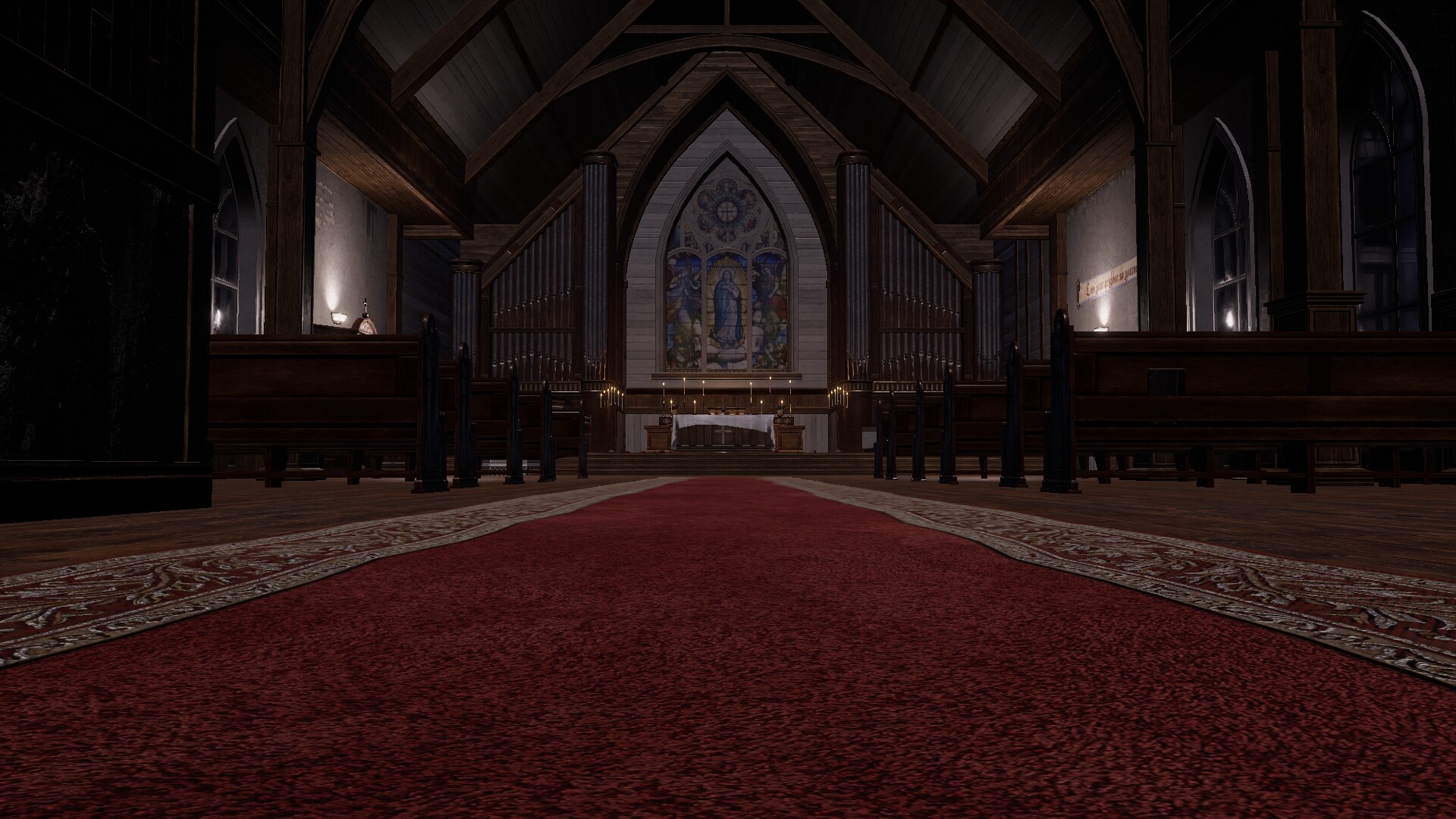
Player scenarios — who will get the most from Trace of the Villa
- The methodical detective: You enjoy note-taking, cross-referencing documents, and revisiting rooms with new tools. Expect to be rewarded by narrative evolution rather than fast action.
- The environmental storyteller: You read interiors for biography. Missing photos and odd furnishings intrigue you; you want to reconstruct lives from objects.
- The puzzle-first player who wants narrative payoff: You solve locks, safes and system puzzles for the reveal. This one’s for you if you prefer puzzles that feed story rather than puzzles as standalone amusements.
- Not ideal if: You primarily want multiplayer co-op, rapid-action combat, or short bite-sized levels; the Steam categories and description point to a single-player, narrative-first experience.
Quick facts
| Title | Trace of the Villa |
|---|---|
| Steam AppID | 3483660 |
| Release date | 28 May, 2026 |
| Developer | Steadyturtle Co., Ltd. |
| Publisher | Steadyturtle Co., Ltd. |
| Genres | Action, Adventure, Indie |
| Selected Steam categories | Single-player; Color Alternatives; Custom Volume Controls; Playable without Timed Input; Subtitle Options; Family Sharing |
How it compares (editorial comparison)
Below is a focused, lawful editorial comparison on core play expectations — atmosphere, puzzle focus, exploration, pacing, and player fit — using public Steam descriptions for each title.
| Title | Atmosphere & tone | Puzzle focus | Exploration style | Pacing / player fit |
|---|---|---|---|---|
| Trace of the Villa | Decaying mansion, slow-burn suspense; identity erasure and forensic clues. | Clue-led puzzles tied to manifests, encrypted docs, safes and restored systems. | Investigative, environment-first; restoring systems expands access and narrative. | Deliberate pacing for players who want story to unfold from solved puzzles. |
| The Room (series) | Mysterious, mechanically uncanny rooms and objects. | Mechanical, tactile puzzle boxes and safes; self-contained object puzzles. | Focused, single-room (or chained rooms) exploration with intimate details. | Great for players who prefer tactile puzzle mechanics and compact, dense challenges. |
| Escape Simulator | Varies by room; can be playful or tense depending on room design. | Highly interactive object puzzles with physics and item manipulation. | Room-by-room escape scenarios, often community-made and modular. | Best for players who like interactive environments and short-form puzzle rooms, solo or co-op. |
| Unpacking | Zen, observational, and domestic storytelling through objects. | Puzzle is spatial and contextual: fitting items and inferring life from possessions. | Room-to-room, personal-feel exploration focused on domestic detail. | Suited to players who favor quiet, reflective, character-driven object narrative. |
Steam and media
Find Trace of the Villa on Steam here: Trace of the Villa on Steam.
YouTube discovery
If you want trailer or gameplay footage, search for trace footage and trailers here (search results may include multiple uploads): YouTube: Trace of the Villa trailer & gameplay. Note: this link is provided as a discovery path; verify uploader provenance for official materials.
Final editorial take (short)
Trace of the Villa is for players who want their puzzles to be meaningful pieces of a larger mystery. If you enjoy reading manifests, reinterpreting rooms as evidence, and watching a narrative shift as safes and systems unlock, it’s worth a wishlist click. If you want quick escape-room bursts or multiplayer, the game’s single-player, story-first presentation will feel different.
Referenced titles and trademarks belong to their respective owners. Comparisons are editorial discovery only and not endorsements.
Leave a Reply