Trace of the Villa — how clue reading, object logic, and story puzzles shape a mansion mystery
Trace of the Villa casts you as Jin, a search for a missing sister that leads into a remote, decaying mansion where manifests, encrypted records and locked compartments slowly stitch a larger story together. The game leans on environmental storytelling and layered puzzles — reading clues across documents, systems and objects to reveal what the house was trying to hide.

Who, what, when, where, why, how
Who is this for?
Trace of the Villa is aimed at players who prefer story-first mystery with puzzle beats — those who enjoy reading manifests, following paper trails, and decoding environmental clues rather than twitch reflex challenges. The Steam tags and page list it under Action, Adventure, Indie and include single-player and accessibility options (Color Alternatives, Custom Volume Controls, Playable without Timed Input, Subtitle Options), so prospective players who value narrative clarity and adjustable presentation will find relevant options available.
What is the game?
Trace of the Villa puts you in the role of Jin, who discovers manifests and hints in a cut-off, deliberately forgotten mansion suggesting his sister may still be alive. As power is restored to parts of the estate, secured systems come back online and hidden compartments yield fragments that connect falsified identities, suspicious transfers, and controlled movements — the puzzle loops are as much about reading documents as they are about interacting with objects and systems.
When and where?
Trace of the Villa released on 28 May, 2026 and is available on Steam for PC. The store page (see Steam CTA below) is the official place to wishlist, view system requirements and track updates.
Why does the theme matter?
The premise — a house that feels “erased” and clues that point at an organized concealment — frames every puzzle as an act of reconstruction. That makes clue-reading central: physical objects, powered systems and encrypted fragments work together to reveal motive and context. If you respond to slow-burn suspense, psychological investigation and atmospheric mystery adventure, the theme shapes both tone and puzzle design.
How you read clues and progress
The official description emphasizes recovered manifests, encrypted documents, restored power, hidden compartments and safes. That points to a puzzle architecture where:
- Documents and manifests act as primary clues that map timelines or financial trails you must interpret.
- Object logic (locks, safes, mechanisms) and environmental triggers are combined with system-restoration moments to open new areas or reveal evidence.
- Puzzles are narrative-first: each solved lock or decrypted fragment is meant to extend the story, not just gatecraft.
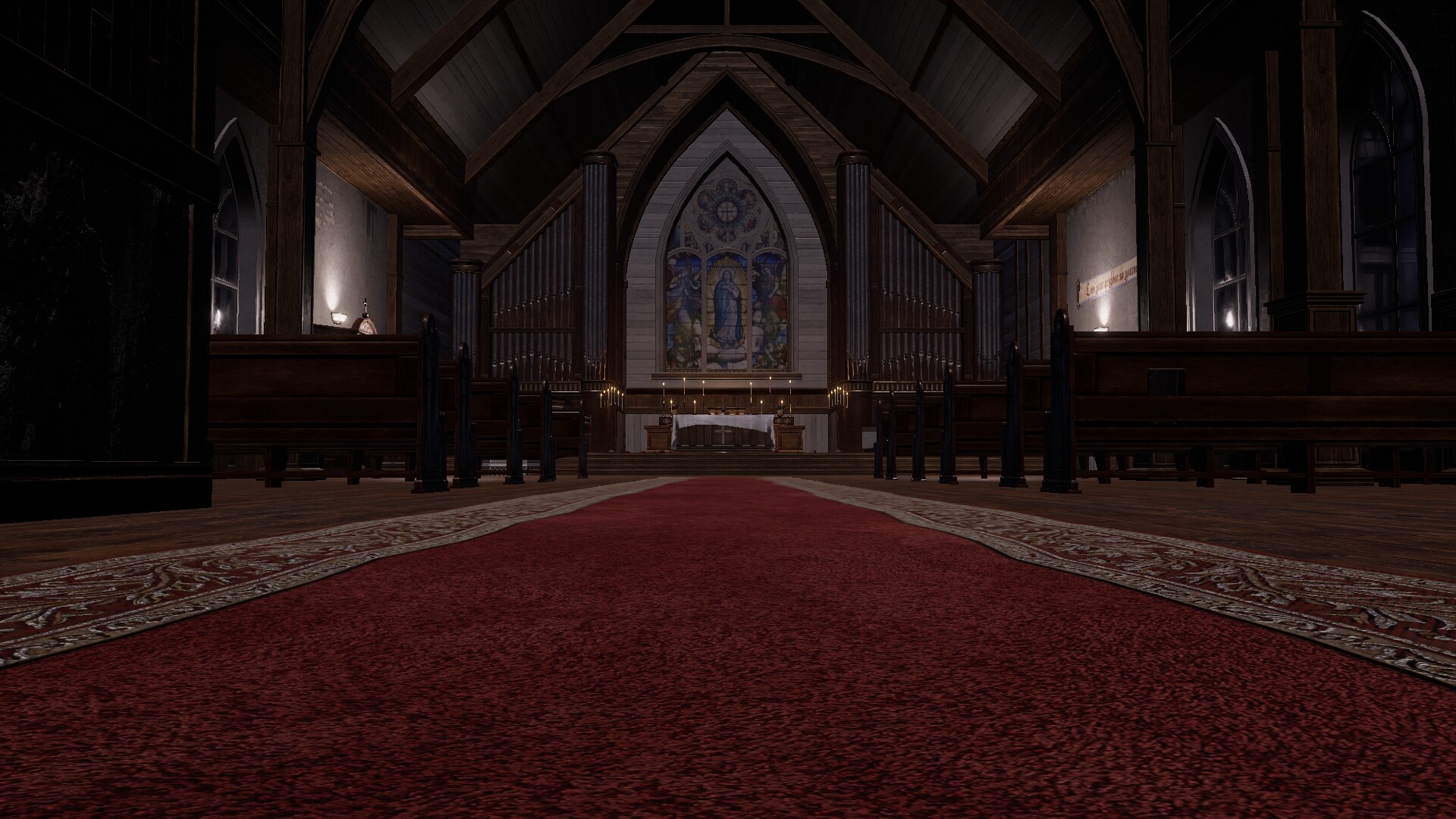

Compact facts
| Title | Trace of the Villa |
|---|---|
| Steam AppID | 3483660 |
| Release date | 28 May, 2026 |
| Developer / Publisher | Steadyturtle Co., Ltd. |
| Genres | Action, Adventure, Indie |
| Key categories | Single-player, Color Alternatives, Custom Volume Controls, Playable without Timed Input, Subtitle Options, Family Sharing |
How Trace of the Villa compares to a few nearby games
Below is a measured editorial comparison on lawful criteria: genre, atmosphere, puzzle focus, exploration style, story tone, pacing and player fit.
| Game | Release | Puzzle focus | Atmosphere / tone | Exploration style & player fit |
|---|---|---|---|---|
| Trace of the Villa | 28 May, 2026 | Narrative puzzles, clue-reading across manifests, safes and systems | Slow-burn mansion mystery, investigative and unsettling | For players who want document-led discovery and environmental storytelling with accessible presentation options |
| The Room | 28 Jul, 2014 | Object-first mechanical puzzles built around tactile safes and devices (locked chamber style) | Mysterious, intimate puzzle-chamber tone | Players who prefer highly engineered, tactile puzzles focused on one-chamber exploration |
| Escape Simulator | 19 Oct, 2021 | Interactive escape-room style puzzles, physics interaction and item manipulation | Casual to intense escape-room energy, player-driven | Good for players who like hands-on interaction, community rooms and cooperative puzzle solving |
| Unpacking | 1 Nov, 2021 | Objects as storytelling devices; non-traditional puzzle that teaches life details through placement | Zen, domestic and introspective | For players who enjoy slower, meditative object puzzles that emphasize narrative through items rather than locked mechanisms |
Player scenarios — who should wishlist this
- If you like careful clue-reading: You’ll enjoy the return-on-effort when manifests and encrypted fragments interlock to reveal timelines and motives.
- If environmental storytelling is your priority: The mansion-as-evidence approach rewards observation — rooms, powered systems and missing records are all narrative pieces.
- If you prefer tactile, mechanical puzzles: Trace of the Villa lists Action and Adventure among its genres, but its description prioritizes narrative puzzles and safes — you should be comfortable with text- and object-driven problem solving more than twitch precision.
- If you favor co-op or fast-paced puzzle runs: This is a single-player, story-focused experience and differs from community-driven or multiplayer escape-room titles.
YouTube discovery
Want trailers or gameplay search results? Try the YouTube discovery link (search results may include trailers, streams or player videos): Search Trace of the Villa on YouTube.
View Trace of the Villa on Steam
References: the game description, genre and store metadata are taken from the official Steam app page for Trace of the Villa. Referenced comparison titles belong to their respective owners; comparisons are editorial discovery only and not claims of endorsement.
Leave a Reply