Trace of the Villa — a slow-burn narrative puzzle adventure built on clue reading and object logic
Trace of the Villa drops you into Jin’s search for a missing sister inside a decaying, off‑the‑grid mansion where restored systems, safes and fragments of encrypted documents pull a plot into view. Released on 28 May, 2026 by Steadyturtle Co., Ltd., it foregrounds environmental storytelling and clue-driven exploration rather than action spectacle.

Who this fits
If you prefer story-first mystery where puzzles are built into investigation and reading evidence — think methodical clue assembly rather than twitch reactions — Trace of the Villa is aimed at you. The Steam listing categorises the game as Action / Adventure / Indie and lists Single‑player with accessibility features like Color Alternatives, Custom Volume Controls, Playable without Timed Input and Subtitle Options, which help players who want to focus on reading and reasoning over speed.
What the game is
Per the official Steam description, you play as Jin, whose long search for a missing sister leads him to a deliberately forgotten mansion. As you restore power to the estate, secured systems and hidden compartments come back online. Manifests, encrypted fragments and suspicious transfer records are revealed — the game strings progression to uncovering layers of falsified identities and controlled movements. That premise places the emphasis on narrative puzzle design, object logic (locked safes, restored electronics) and environmental clues that form the story.
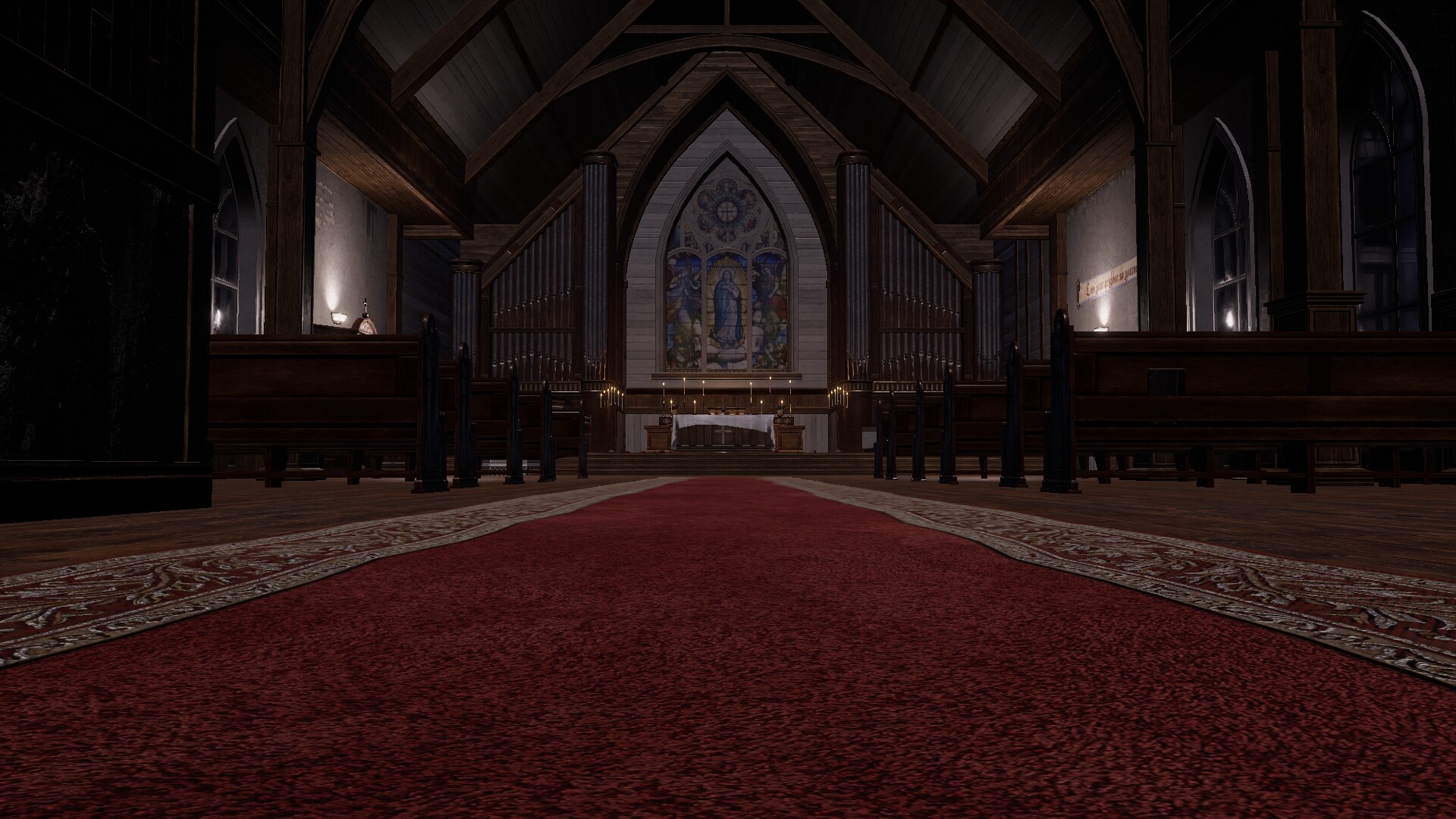

When and where — Steam details
Trace of the Villa launched on 28 May, 2026 on Steam. The developer and publisher is Steadyturtle Co., Ltd., and the Steam appid is 3483660. See the Steam page for system requirements, languages and store media.
Why the theme matters — narrative puzzles that ask you to read
Story puzzles in Trace of the Villa lean on omission as much as revelation: rooms appear lived‑in yet identity markers have been removed, and the player’s work is to read between what’s left behind. When a game foregrounds manifests, encrypted documents and restored systems as primary progression tools, it turns puzzle solving into forensic reading — decoding context, not just symbols. That creates a slow‑burn suspense that rewards patient, detail‑oriented play and a taste for atmospheric mystery adventure rather than constant action.
How you progress — clue reading, object logic, and story puzzles
The official description explains the key progression beats: restore power, unlock secured systems, reveal hidden compartments and recover fragments of documents and manifests. Expect puzzles that are integrated into exploration and scavenging — object logic (safes, electronics, locked doors) paired with interpretive tasks (matching manifests, following financial trails). Because the Steam metadata lists “Playable without Timed Input” and subtitle options, the design implicitly supports deliberate, contemplative investigation rather than time‑pressured trial and error.
Player scenarios — who should wishlist this
- The clue reader: You enjoy assembling fragments of narrative from objects and documents, treating each recovered item as forensic evidence. Trace of the Villa’s manifests and encrypted fragments suit this playstyle.
- The atmospheric detective: You value environmental storytelling and a slow‑burn mansion mystery. If pacing and tone are more important than constant puzzles-per-minute, this will fit your taste.
- The accessibility-minded explorer: You prefer single‑player experiences without timed inputs and appreciate options like color alternatives and subtitle support that let you focus on story and clues.
Compact facts — Trace of the Villa
| Title | Trace of the Villa |
|---|---|
| Steam appid | 3483660 |
| Release date | 28 May, 2026 |
| Developer / Publisher | Steadyturtle Co., Ltd. |
| Genres | Action, Adventure, Indie |
| Categories / notable features | Single-player; Color Alternatives; Custom Volume Controls; Playable without Timed Input; Subtitle Options; Family Sharing |
| Short premise | Jin searches for his missing sister in a remote, decaying mansion and recovers manifests and hints that she may still be alive. |
How it compares — editorial discovery, not endorsement
For readers deciding whether Trace of the Villa matches their puzzle-adventure taste, the table below compares it to a few nearby titles on lawful editorial criteria: puzzle style, atmosphere, exploration style and player fit.
| Game | Core puzzle focus | Atmosphere / tone | Exploration / pacing | Who it suits |
|---|---|---|---|---|
| Trace of the Villa | Clue reading, object logic, encrypted documents, restoring systems | Mansion mystery, slow‑burn, unsettling erasure of identities | Methodical exploration, narrative‑driven progression | Players who like forensic puzzle solving and environmental storytelling |
| The Room | Mechanical puzzle boxes and tactile object puzzles (single-room vignettes) | Mysterious, intimate and mechanical | Focused vignettes with tightly designed puzzle interactions | Players who like finely tuned, single‑object puzzles and tactile solutions |
| Escape Simulator | Highly interactive object puzzles across designed escape rooms | Varied tones depending on room — often playful or high interactivity | Room‑by‑room, puzzle room pacing; supports co‑op and user rooms | Players who want highly interactive item manipulation and optional social play |
| Unpacking | Spatial and narrative puzzles via object placement and context clues | Quiet, domestic, reflective | Low‑pressure, slice‑of‑life pacing focused on detail | Players who prefer gentle, story‑told puzzles and everyday narrative discovery |
YouTube discovery
Look for trailers and gameplay footage via general YouTube search (use the developer/game name). A useful search path: Trace of the Villa trailer & gameplay on YouTube. This link is for discovery; verify any specific video’s official status before treating it as a developer release.
View Trace of the Villa on Steam
Disclaimer: referenced titles and trademarks belong to their respective owners. Comparisons above are editorial discovery only, based on genre, atmosphere, puzzle focus and pacing.
Leave a Reply