
Trace of the Villa: an atmospheric, clue-driven mansion mystery for narrative puzzle fans
Trace of the Villa casts you as Jin, a man tracing the faint remains of a life lost inside a decaying, off-grid mansion—solving puzzles that revive locked systems and reveal fragments of hidden operations. Released on 28 May, 2026 by Steadyturtle Co., Ltd., the game pairs environmental storytelling with object-based logic: the house itself is the primary cluebook.

Quick facts
| Title | Trace of the Villa |
|---|---|
| Developer / Publisher | Steadyturtle Co., Ltd. |
| Release date | 28 May, 2026 |
| Genres | Action, Adventure, Indie |
| Steam categories | Single-player; Color Alternatives; Custom Volume Controls; Playable without Timed Input; Subtitle Options; Family Sharing |
| Platform | PC — Steam |
What the game is (and how it tells its story)
Trace of the Villa is a narrative puzzle adventure framed as a personal investigation. Official text on the Steam page sets the premise plainly: Jin has been searching for his missing sister and finds a remote mansion littered with manifests and hints that suggest she may still be alive. The house feels “less abandoned than erased” — rooms look occupied but lack identity markers, and locked doors, safes, and secured systems hide the narrative in fragments.
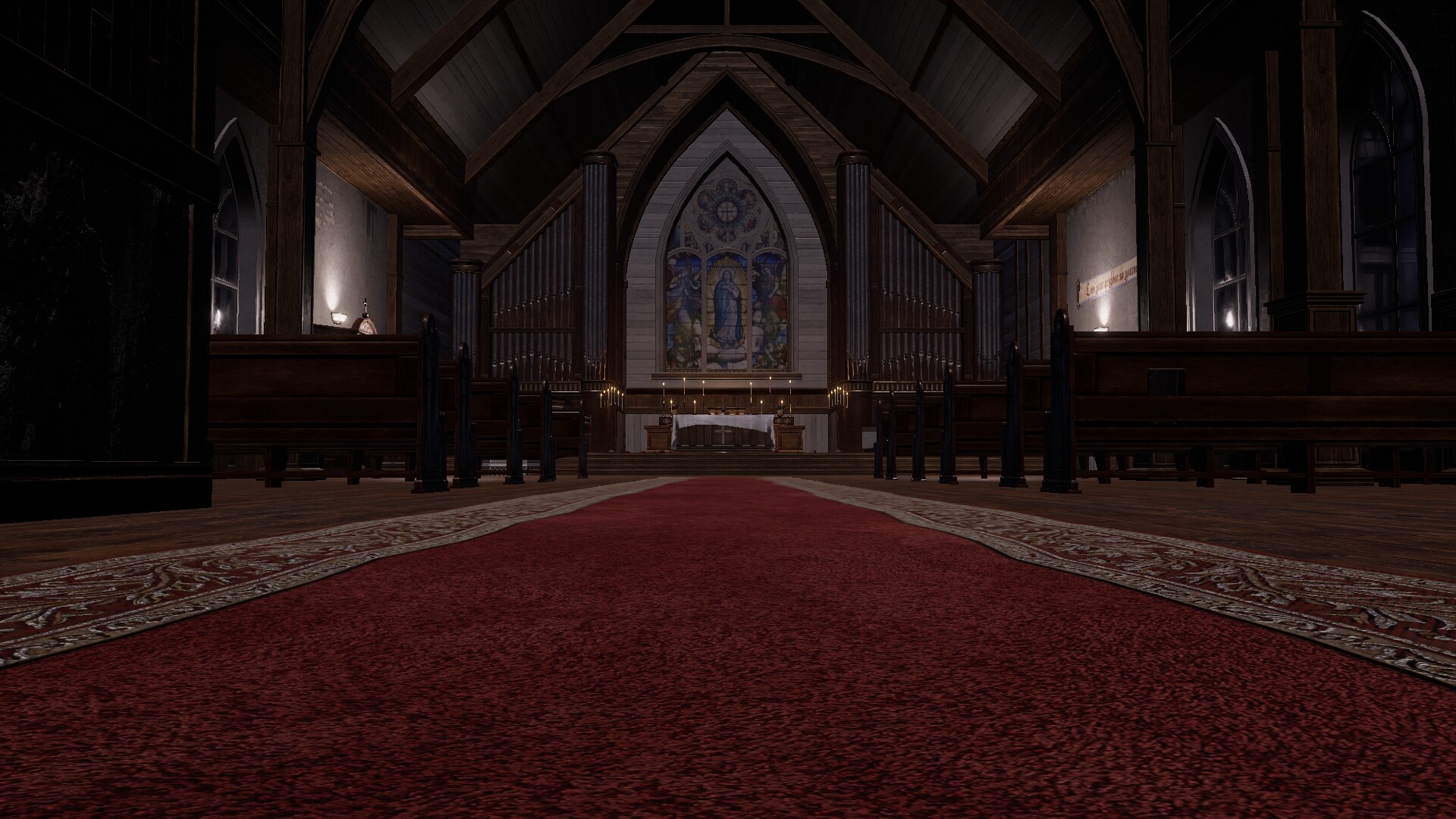
The Steam description explains a concrete gameplay loop: when Jin restores power, secured systems come online; hidden compartments unlock; safes yield fragments of encrypted documents and suspicious transfer records. Each solved puzzle uncovers another layer — financial trails, falsified identities, and movements masked behind bureaucracy — and those discoveries drive both story and the next set of puzzles.

Who this is for
- Players who prefer slow-burn suspense and atmospheric mystery over action-heavy spectacle.
- Anyone who enjoys environmental storytelling and reading objects, manifests, and encrypted fragments to reconstruct events.
- Single-player-focused players who appreciate accessibility options — Trace of the Villa lists Subtitle Options, Color Alternatives, Custom Volume Controls, and Playable without Timed Input among its categories.
- Fans of story-rich adventure games that use puzzles to reveal narrative layers rather than interrupt them.
When and where
Trace of the Villa launched on Steam on 28 May, 2026. It’s listed as an Action / Adventure / Indie title on Steam and appears on PC via Valve’s storefront.
Why the theme and puzzle structure matter
The mansion-as-evidence approach makes clue-reading the primary mechanic: objects aren’t only interactive set-dressing, they’re testimony. Because the game restores systems and unlocks sealed spaces, it structures discovery around escalation — an early solved lock gives access to a device that, when powered, reveals the next secret. That cascading reveal keeps puzzles grounded in the fiction: you aren’t solving abstract riddles for their own sake, you’re reinstating the house’s memory, and the answers are embedded in the world’s material traces.
How you read clues and progress
Progress is driven by observation, object logic, and piecing fragmentary records together. The official description notes specific examples: restoring power brings systems back online; locked safes yield encrypted documents and suspicious transfer records; hidden compartments and secured systems reveal a broader operation. Expect to parse manifests, reconcile discrepancies between objects and the house’s apparent lack of identity markers, and use information gleaned from one puzzle to solve another. This is a narrative-puzzle loop where documentation and context are as important as mechanical solutions.
Player scenarios — will you enjoy it?
- Scenario A: You savor methodical detective work. You’ll value slowly restoring power to a house and tracing financial or identity puzzles out of connected fragments.
- Scenario B: You want atmospheric investigation without twitchy timed sequences. The Steam categories include Playable without Timed Input and Subtitle Options, signaling a paced, readable experience.
- Scenario C: You prefer cooperative or highly physical puzzle games (moving furniture, community rooms). This is single-player and focuses on narrative and locked-systems logic rather than room-scale interaction.
How it compares — editorial discovery table
| Title | Core focus | Puzzle style | Perspective / Mode | Tone / Pacing |
|---|---|---|---|---|
| Trace of the Villa | Environmental narrative investigation in a mansion; clue-driven progression | Object logic, locked systems, encrypted documents, hidden compartments | Single-player (PC/Steam) | Slow-burn, atmospheric, investigative |
| The Room | Solving intricate physical puzzle boxes in a confined, mysterious setting | Mechanical puzzles, tactile manipulation | Single-player | Focused, intimate, puzzle-centric |
| The Room Two | Expanded mechanical exploration across multiple linked locations | Complex mechanical puzzles with layered devices | Single-player | Exploratory, progressively revealing |
| Escape Simulator | Highly interactive escape-room simulation with physics-based object interaction | Hands-on, environmental puzzles; supports many community-made rooms | Single-player & co-op / multiplayer | Varied; can be fast or methodical depending on room |
| Unpacking | Zen, domestic puzzle about object placement that tells a life story | Spatial, context-driven object placement rather than locks/encryption | Single-player | Calm, reflective, narrative through objects |
YouTube discovery
If you want trailer or gameplay clips, search for Trace of the Villa trailers and walkthroughs here (useful for judging pacing and puzzle presentation): Trace of the Villa trailer & gameplay on YouTube.
Where to wishlist / buy
If the premise—restoring power to an erased house, reading manifests and encrypted fragments, and following a trail toward a missing sister—matches your interests, consider adding it to your Steam wishlist:
Disclaimer
Referenced titles and trademarks belong to their respective owners. Comparisons here are editorial discovery only and not endorsements; facts come from the official Steam page and provided materials.
Leave a Reply