
Trace of the Villa — how clue reading, object logic and story puzzles shape a slow-burn mansion mystery
Trace of the Villa is a single-player narrative puzzle adventure about a man named Jin following cold leads to a decaying, cut-off mansion and uncovering encrypted manifests and hidden compartments that hint his missing sister may still be alive. Released on 28 May, 2026 and developed/published by Steadyturtle Co., Ltd., the game centers on environmental storytelling and clue-driven exploration rather than combat or fast reflexes.

Who: who this is for
Trace of the Villa is aimed at players who prioritize narrative puzzle design, atmospheric mystery adventure, and environmental storytelling. It’s explicitly single-player and listed under Action / Adventure / Indie, but the central loop—restoring systems, opening safes, reading fragmented documents—will appeal most to players who enjoy methodical clue-reading and story puzzles rather than twitchy platforming or multiplayer cooperation. Accessibility-friendly categories such as Playable without Timed Input and Subtitle Options make it a reasonable choice for players who prefer paced exploration and readable story beats.
What: what the game actually is
The official short description frames the premise: “Jin has spent years searching for his missing sister… a remote, decaying mansion where he recovered manifests and hints that indicate his sister may still be alive.” The longer description on the Steam page describes a house that feels “erased,” where restoring power unlocks secured systems, hidden compartments and safes that yield fragments of encrypted documents and suspicious transfer records. Puzzles are woven into the investigation—each solved puzzle uncovers another narrative layer tied to falsified identities and people who moved through the property under strict control.
When & where: availability and Steam context
Trace of the Villa released on 28 May, 2026 on Steam. The Steam store page shows developer and publisher as Steadyturtle Co., Ltd. (app ID 3483660). At the time of inspection the public Steam review summary shows No user reviews.
Why: why the theme and puzzle approach matter
The game’s mansion-mystery frame focuses player attention on reading evidence and making logical connections. When a title removes obvious identities and context (no photographs, erased records), the player’s primary tool is careful observation: interpreting manifests, cross-referencing encrypted fragments, and tracing financial oddities. That design choice shifts emotional weight onto discovery—the moment a safe yields an otherwise mundane document becomes a story beat. For players who value psychological investigation and slow-burn suspense, that trade-off creates satisfaction: puzzles are not just obstacles, they’re narrative scaffolding.
How: how you read clues and progress
According to the Steam description, progression unfolds through environmental changes (restoring power), unlocked systems, secret compartments, and safes that reveal fragments of the larger conspiracy. Practically, that suggests a puzzle structure where object logic (what fits where, which device powers which door) intersects with document-driven puzzles (manifests, encrypted records, suspicious transfer logs). Expect investigation loops where one discovery prompts a re-examination of previously visited rooms and items—classic narrative puzzle adventuring that rewards careful note-taking and pattern recognition rather than speed.
Key visuals
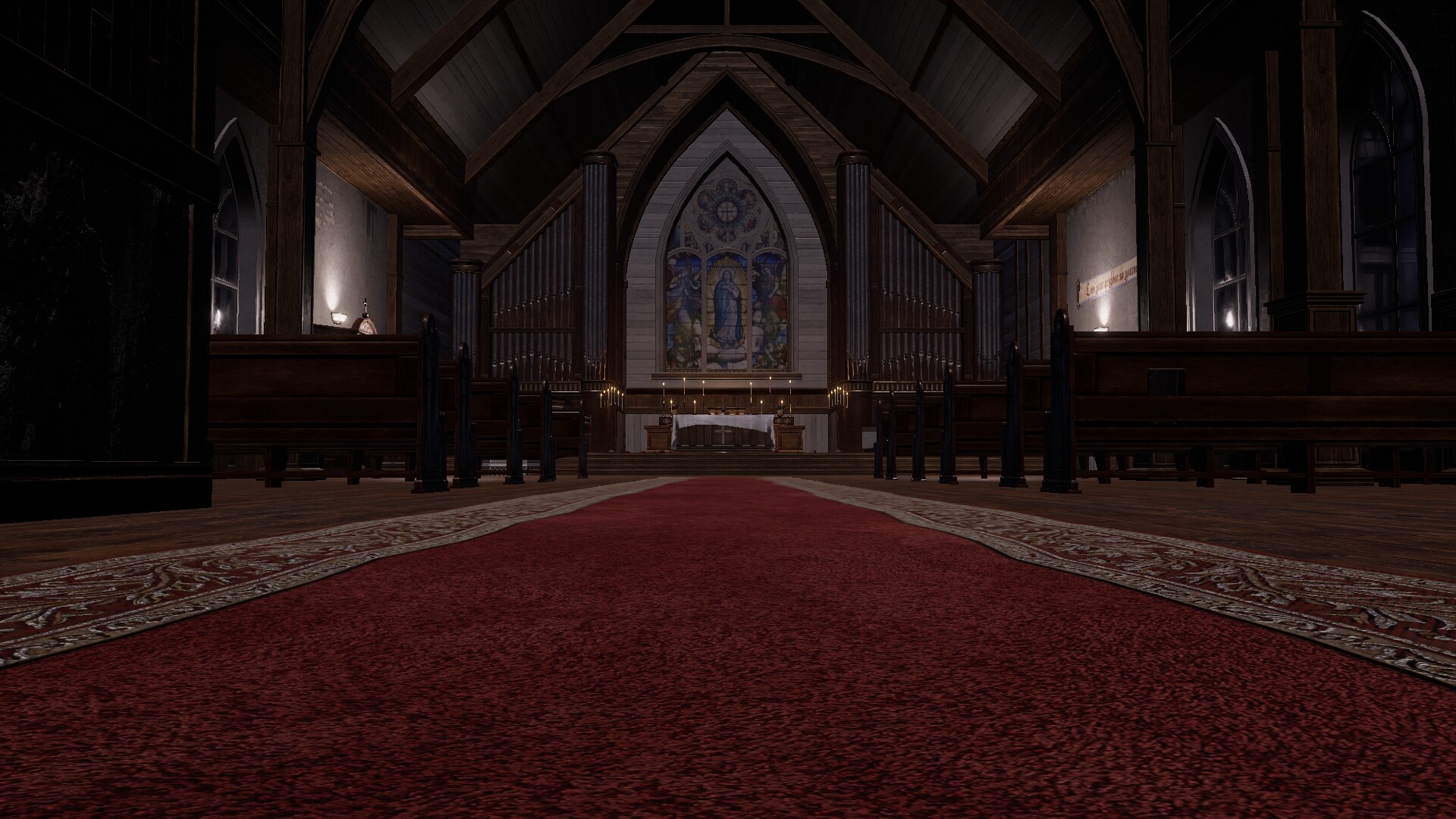

Compact facts — Trace of the Villa
| Title | Trace of the Villa |
|---|---|
| Steam appid | 3483660 |
| Release date | 28 May, 2026 |
| Developer / Publisher | Steadyturtle Co., Ltd. |
| Genres | Action, Adventure, Indie |
| Categories (selected) | Single-player; Playable without Timed Input; Subtitle Options; Color Alternatives; Custom Volume Controls; Family Sharing |
| Public reviews (Steam) | No user reviews |
How it compares — quick editorial table
| Title | Core genre / tone | Puzzle focus | Exploration style | Pacing / player fit |
|---|---|---|---|---|
| Trace of the Villa | Action / Adventure / Indie — atmospheric mansion mystery | Document fragments, safes, hidden compartments; clue-driven narrative puzzles | Single-player, room-by-room investigation that recontextualizes spaces | Slow-burn; suits players who like careful clue-reading and story-first puzzles |
| The Room | Adventure / Indie — tactile safe-and-box puzzles | Mechanical, object-based puzzles centered on ornate safes and puzzle boxes | Focused, single-room vignettes that emphasize tactile manipulation | Players who prefer puzzle-box logic and tactile problem-solving |
| The Room Two | Adventure / Indie — expanded tactile puzzle scenarios | Similar mechanical object puzzles across connected environments | More varied locations but still puzzle-box-centric | Fans of object puzzles with escalating complexity |
| Escape Simulator | Adventure / Casual / Indie — interactive escape rooms | Highly interactive object puzzle design, with physics and environment manipulation | Room-based escape scenarios; includes co-op and community levels | Players who enjoy sandbox interaction and cooperative problem-solving |
| Unpacking | Casual / Indie — zen, domestic storytelling through objects | Puzzle is block-fitting and contextual: objects reveal life stories | Low-pressure sequence of quiet spaces revealing biography through items | Players who like slow, emotional environmental storytelling rather than mystery |
| hack_me | Indie / Simulation — hacker simulator | Simulation of hacking tools (command line, brute forcing, SQL injection) — not
Steam pageView Trace of the Villa on Steam YouTube discoveryFor trailer and gameplay discovery, use YouTube search rather than relying on unverified embeds: Find Trace of the Villa trailer and gameplay searches on YouTube. CommentsMore posts |
Leave a Reply