
Trace of the Villa — who it suits and how its clue-driven puzzles shape the mystery
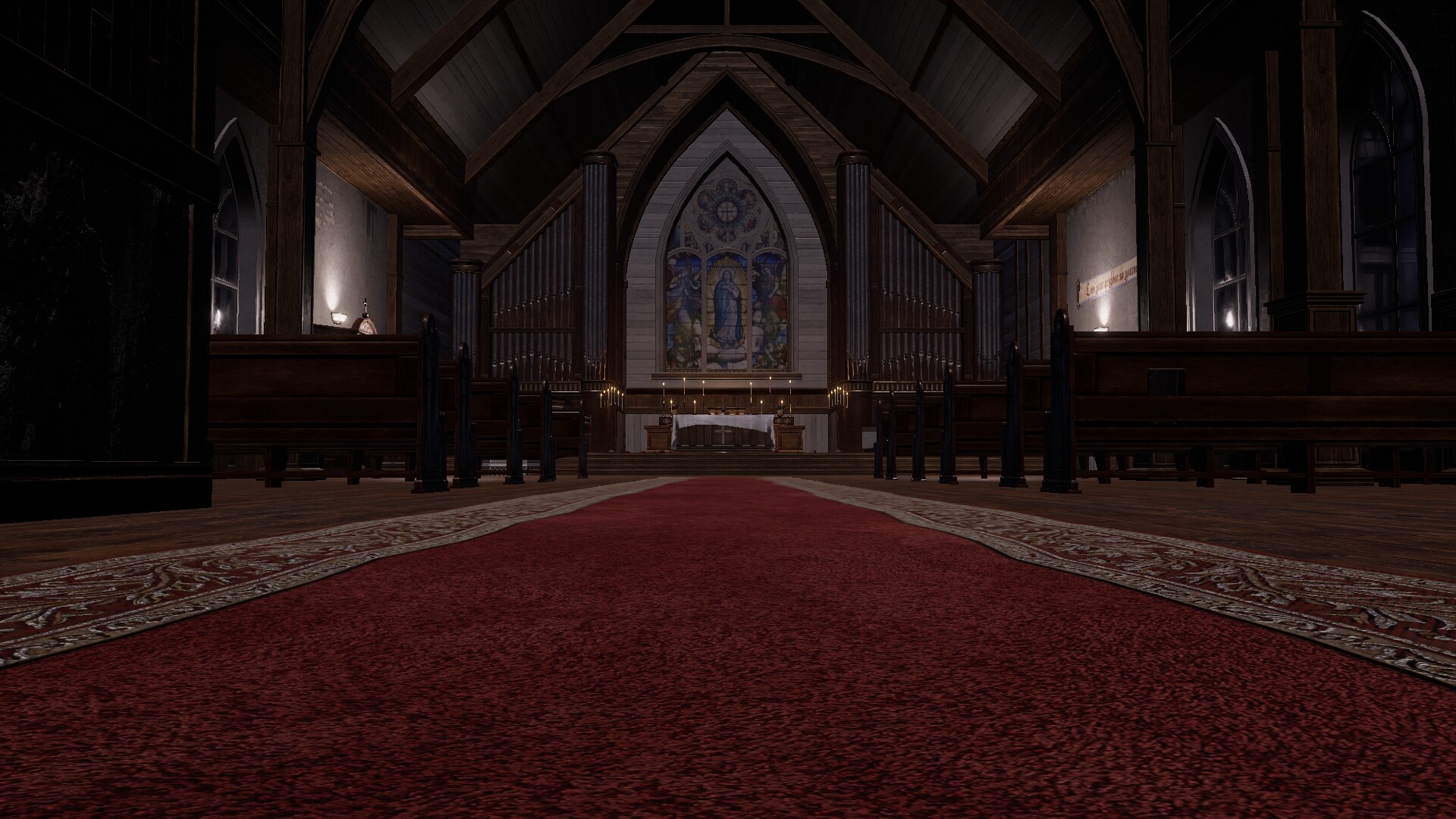
Trace of the Villa drops players into a decaying mansion as Jin, a man following faint manifests and hints that his missing sister may still be alive. Released on Steam on 28 May, 2026 by Steadyturtle Co., Ltd., the game pairs atmospheric mystery adventure with object logic and narrative puzzle design to reveal a slow-burning, investigative experience.

Quick facts
| Title | Trace of the Villa |
|---|---|
| Developer / Publisher | Steadyturtle Co., Ltd. |
| Steam AppID | 3483660 |
| Release date | 28 May, 2026 (Steam) |
| Genres | Action, Adventure, Indie |
| Categories | Single-player; Color Alternatives; Custom Volume Controls; Playable without Timed Input; Subtitle Options; Family Sharing |
What the game is (and what you actually do)
Trace of the Villa is presented as a narrative puzzle adventure in which the protagonist Jin investigates a remote, deliberately forgotten mansion after finding manifests and hints suggesting his sister might still be alive. According to the Steam description, restoring power to the estate is a key action that unlocks secured systems, hidden compartments and safes containing encrypted documents and transfer records. Each solved puzzle reportedly peels back layers of a larger concealed operation — falsified identities, financial trails, and movement masked from records.
When and where
The game launched on Steam on 28 May, 2026. The Steam page lists the title’s genres and accessibility features (color alternatives, subtitle options, custom volume controls, and playable without timed input), and it is distributed by Steadyturtle Co., Ltd.
Why the theme matters: what the mansion mystery brings
The premise — missing people, erased identities, a house that looks “erased” rather than merely abandoned — shifts the tone away from puzzle-only exercises toward a psychological investigation. When narrative puzzles ask you to assemble context from objects and documents, they change the reward structure: solving a lock isn’t just a mechanical win, it’s another piece of story that recontextualizes earlier clues. That emphasis on clue-reading and evidence accumulation makes Trace of the Villa appeal to players who prioritize atmosphere, slow-burn suspense, and environmental storytelling over fast-paced action.
How clue reading, object logic, and story puzzles shape progression
The Steam description outlines several puzzle vectors you can expect to use:
- Clue reading: manifests, encrypted fragments and transfer records give the player narrative leads rather than only numeric solutions.
- Object logic: interacting with furniture, safes, and secured systems — and restoring power — changes the mansion’s state and opens new information channels.
- Layered story puzzles: solving one puzzle unlocks documents or systems that refract the wider conspiracy, encouraging players to track threads across rooms and revisit previous areas with new context.
That combination favours players who keep notes, connect disparate details, and enjoy the pacing of discovery that gradually redefines what’s important in the story.
Player fit — who should wishlist this
- Bring this to your wishlist if you like atmospheric mystery adventure and narrative puzzle design that ties object interaction to story beats.
- Ideal for players who prefer clue-driven exploration and deliberate pacing rather than twitch reflex or combat focus — although Steam lists the game under Action and Adventure, the selling points on the store emphasize investigation and environmental storytelling.
- Good match for those who appreciate accessibility options like subtitle support, color alternatives, and no timed-input requirements.
- Less suitable if you prefer rapid-action puzzles, competitive multiplayer, or a gameplay loop focused on mechanical difficulty over story context.
Player scenarios — concrete examples of who’ll enjoy Trace of the Villa
- Scenario A — The note-taker: You enjoy pausing to annotate details and re-check documents. Trace of the Villa’s encrypted fragments and manifests reward careful reading and cross-referencing.
- Scenario B — The atmosphere-first player: You chase mood and setting — a decaying mansion, erased identities, and slow reveals fit your taste for psychological investigation and environmental storytelling.
- Scenario C — The completionist puzzle fan: You like object-based puzzles that unlock new locations and documents. If uncovering a financial trail or a falsified identity from scattered clues appeals, this matches your drive.
- Scenario D — The action-focused player: If fast combat or multiplayer is your priority, this is likely not the primary fit; Trace of the Villa’s strengths are investigative and narrative.
Comparing nearby games (editorial discovery)
Below is a short, lawful editorial comparison focused on genre, tone, puzzle emphasis, exploration and pacing — meant to help decide fit, not to claim superiority.
| Title | Genre / Tone | Puzzle focus | Exploration / Pacing | Player fit |
|---|---|---|---|---|
| Trace of the Villa | Action / Adventure / Indie — atmospheric mansion mystery, psychological investigation | Clue reading, object logic, encrypted documents, state-changing systems (restore power) | Slow-burn discovery; environmental storytelling; layered reveals | Players who like narrative puzzles, note-taking, and mood-driven exploration |
| The Room | Adventure / Indie — intimate, tactile puzzle chamber | Mechanically focused object puzzles (cohesive single-room devices) | Segmented, handcrafted puzzle rooms; measured pacing | Fans of tight mechanical puzzles and mysterious devices |
| Escape Simulator | Adventure / Casual / Indie — interactive escape-room gameplay | Highly interactive object puzzles; physics and manipulation | Puzzle-focused, often fast or cooperative; room-to-room design | Players who enjoy highly interactive environments and co-op puzzling |
| Unpacking | Casual / Indie — zen, observational puzzle about life through objects | Contextual, object-placement puzzles that reveal story through possessions | Relaxed, vignette-driven pacing; emphasis on quiet narrative | Players who enjoy subtle storytelling through everyday items and steady pacing |

YouTube discovery
If you want trailer or gameplay clips, search YouTube for Trace of the Villa using this discovery URL (useful for trailers and player videos; this is a search path rather than a confirmed official channel): https://www.youtube.com/results?search_query=Trace+of+the+Villa+trailer+gameplay.
Ready to wishlist or buy on Steam?
Leave a Reply