
Trace of the Villa — a steam-era mansion mystery for clue-driven players
Trace of the Villa drops you into a decaying, off‑grid mansion where Jin’s search for his missing sister becomes an investigation into erased identities and hidden systems. Released 28 May, 2026 on Steam from Steadyturtle Co., Ltd., it blends exploration, environmental storytelling and investigative puzzle work inside a deliberately unsettling estate.

Quick facts
| Title | Trace of the Villa |
|---|---|
| Release date | 28 May, 2026 |
| Developer / Publisher | Steadyturtle Co., Ltd. |
| Genres | Action, Adventure, Indie |
| Steam categories | Single‑player; Color Alternatives; Custom Volume Controls; Playable without Timed Input; Subtitle Options; Family Sharing |
| Store | Steam store page — Trace of the Villa |
Who should wishlist this?
If you favour story‑rich adventure with a slow, investigative rhythm and environmental puzzles, Trace of the Villa is worth watching. The game targets players who prefer piecing together narrative from found items, restored systems and documents rather than constant combat or timed reflex sections — the Steam categories list “Playable without Timed Input” and subtitle options for accessibility. It’s also appropriate for players who like a persistent atmosphere: the mansion is described as “less abandoned than erased,” which signals a slow‑burn, mood‑first approach.
What the game is
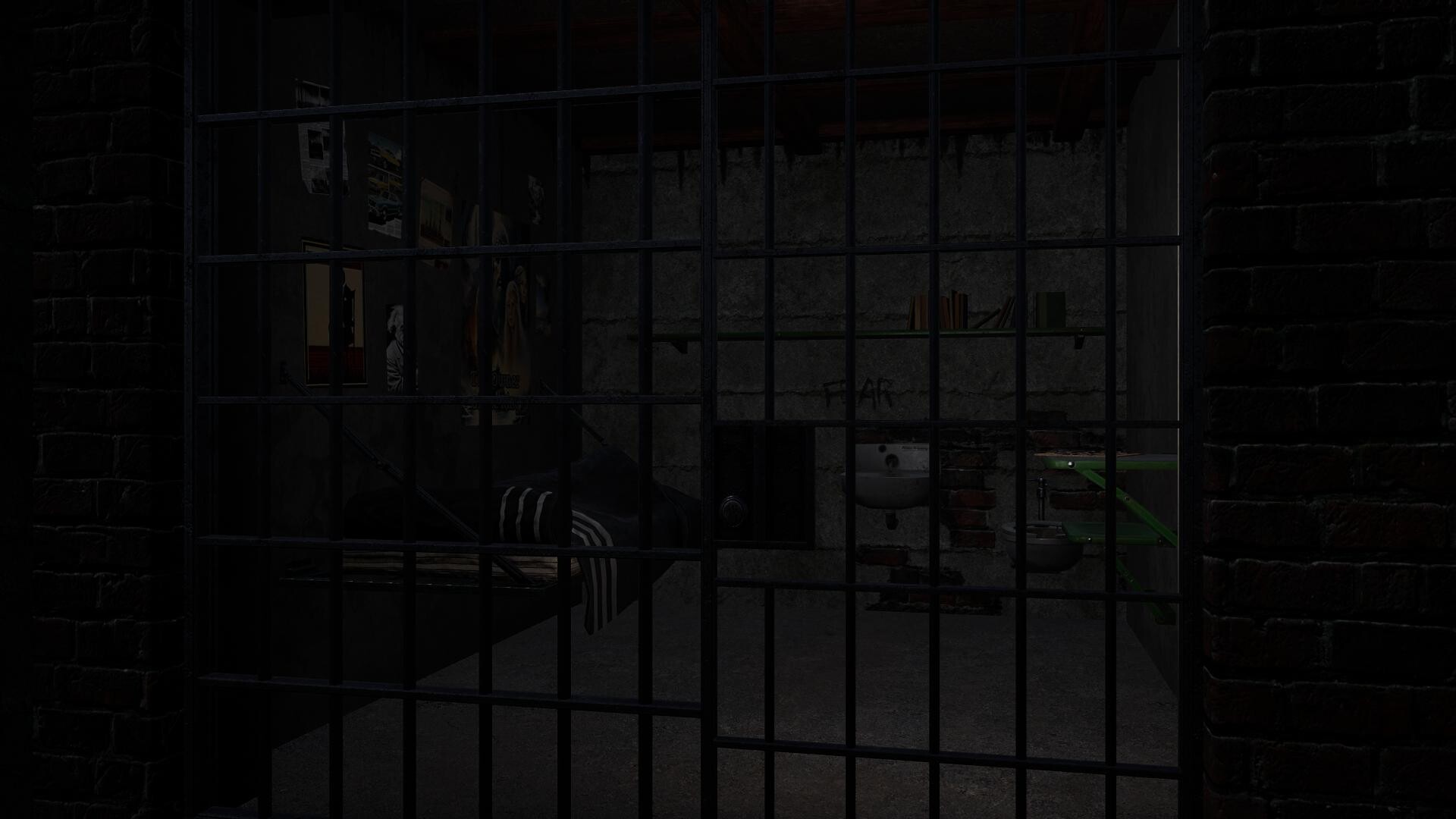
Official materials present Trace of the Villa as an adventure about Jin tracing leads to a remote mansion where “manifests and hints indicate his sister may still be alive.” Inside, rooms look as if occupants vanished mid‑routine; locked doors, safes, encrypted documents and secured systems play into an investigative puzzle loop. The listed genres are Action, Adventure and Indie — but the published description emphasizes clue‑driven exploration and uncovering falsified identities and financial trails.
When and where
Trace of the Villa released on Steam on 28 May, 2026. The Steam page lists the developer and publisher as Steadyturtle Co., Ltd., and includes the usual PC storefront visuals and screenshots for readers to inspect before deciding to wishlist or buy.
Why the theme matters
The game’s premise centers on erasure: missing records, removed identities and a property “deliberately forgotten.” For mystery players who appreciate narrative puzzles that connect personal stakes (a missing sibling) to broader conspiratorial patterns (falsified identities, transfers, and systems brought back online), this framing promises layered reveals rather than jump scares. If you value atmosphere and the sense that each solved lock or restored circuit yields a tangible narrative clue, that matters here.
How you play and progress
Progression is built around exploration and reconstruction. The official description highlights restoring power to the estate, bringing secured systems back online, unlocking hidden compartments and extracting fragments from safes and documents. Expect environmental storytelling—reading manifests, following financial threads, decrypting fragments—and puzzle work that ties scene‑based discovery to a larger timeline. The Steam categories also indicate accessibility options such as color alternatives and custom volume controls, useful for players who need them.

Player scenarios — who will enjoy it most
- Slow‑burn investigators: Players who like reconstructing stories from objects, logs and locked safes will find the mansion’s erased records satisfying.
- Explorers of atmosphere: If you prefer oppressive, quiet spaces and environmental mood over non‑stop action, the estate’s “suffocating” silence is a major part of the appeal.
- Puzzle collectors: Those who enjoy a mix of mechanical puzzles (restoring systems, unlocking safes) and interpretive puzzles (timeline building from documents) should be the best fit.
How it compares — editorial discovery table
| Title | Core genre / perspective | Atmosphere & tone | Puzzle / exploration focus | Pacing / player fit |
|---|---|---|---|---|
| Trace of the Villa | Action / Adventure (Indie) — single‑player | Decaying mansion, erased identities — moody and investigative | Environmental puzzles, locked rooms, document fragments, systems restoration | Slow, clue‑driven: for players who like narrative threads revealed piece by piece |
| Rusty Lake Hotel | Adventure / Indie — point‑and‑click (single‑player) | Dark, surreal and eerie | Short, puzzle‑driven episodes with macabre tableau puzzles | Compact, often surreal puzzles; good for players who like short, concentrated mysteries |
| The Medium | Adventure — third‑person psychological horror (single‑player) | Psychological, dual‑reality and melancholic | Exploration across two realms; story unfolds through environment and encounters | Story‑forward, cinematic; suitable for players who want narrative and atmosphere in longer sessions |
| Layers of Fear | Adventure — first‑person psychological horror (single‑player) | Madness and artistic obsession, tense and unsettling | Exploratory chapters focused on atmosphere and narrative revelation | Slow, atmospheric exploration with a focus on mood and reveal |
Note: this table uses lawful editorial criteria—genre, tone, puzzle focus and pacing—to help you decide fit, not to imply endorsement or direct equivalence.
YouTube discovery
Looking for trailers or gameplay clips? Search results for Trace of the Villa on YouTube can be found here: YouTube search: Trace of the Villa trailer / gameplay
Leave a Reply