Trace of the Villa — Rooms as Puzzle Spaces and Story Containers
Trace of the Villa places you in a decaying mansion where the rooms are both the puzzles and the plot: each furnished, locked, or erased space holds clues that nudge the investigation forward. Released 28 May, 2026 by Steadyturtle Co., Ltd., this Steam PC title blends clue-reading, object logic, and layered story puzzles into an atmospheric mystery adventure.

Who, What, When, Where, Why, and How — at a glance
Who it’s for
Players who favor slow-burn suspense and environmental storytelling — people who enjoy reading manifests and cryptic documents, solving safes and locked-door sequences, and letting a mansion’s layout reveal a hidden operation — will find Trace of the Villa aligned with their tastes.
What the game is
Trace of the Villa (Action / Adventure / Indie) follows Jin, who has searched for his missing sister for years and follows a lead to a remote, deliberately forgotten mansion. Inside, restored power and unlocked systems reveal encrypted documents, hidden compartments, and suspicious transfer records that together map a pattern of arrivals and departures. Rooms feel “erased” rather than merely abandoned, and puzzles are woven into discoveries about a larger operation.
When and where
The game released on Steam on 28 May, 2026 and is available on PC. It is presented on Steam by developer/publisher Steadyturtle Co., Ltd.
Why the theme matters
The mansion-as-container concept reframes puzzles as pieces of a dossier: each room’s objects, missing photographs, and secured systems function as narrative evidence. That framing makes every solved puzzle a step in reconstructing not only a timeline but also the identities and exchanges the house was meant to conceal.
How you progress
Progression is clue-driven. Jin restores power to the estate, which reactivates secured systems and reveals access to hidden compartments and safes; solving those object-based puzzles yields manifests, encrypted documents, and transfer records that point to the next location or lock. The emphasis is on reading environmental cues and interpreting objects logically rather than on reflex-based or timed action — Steam metadata lists the title as playable without timed input and includes subtitle and color alternatives among accessibility options.
Rooms as puzzles and containers
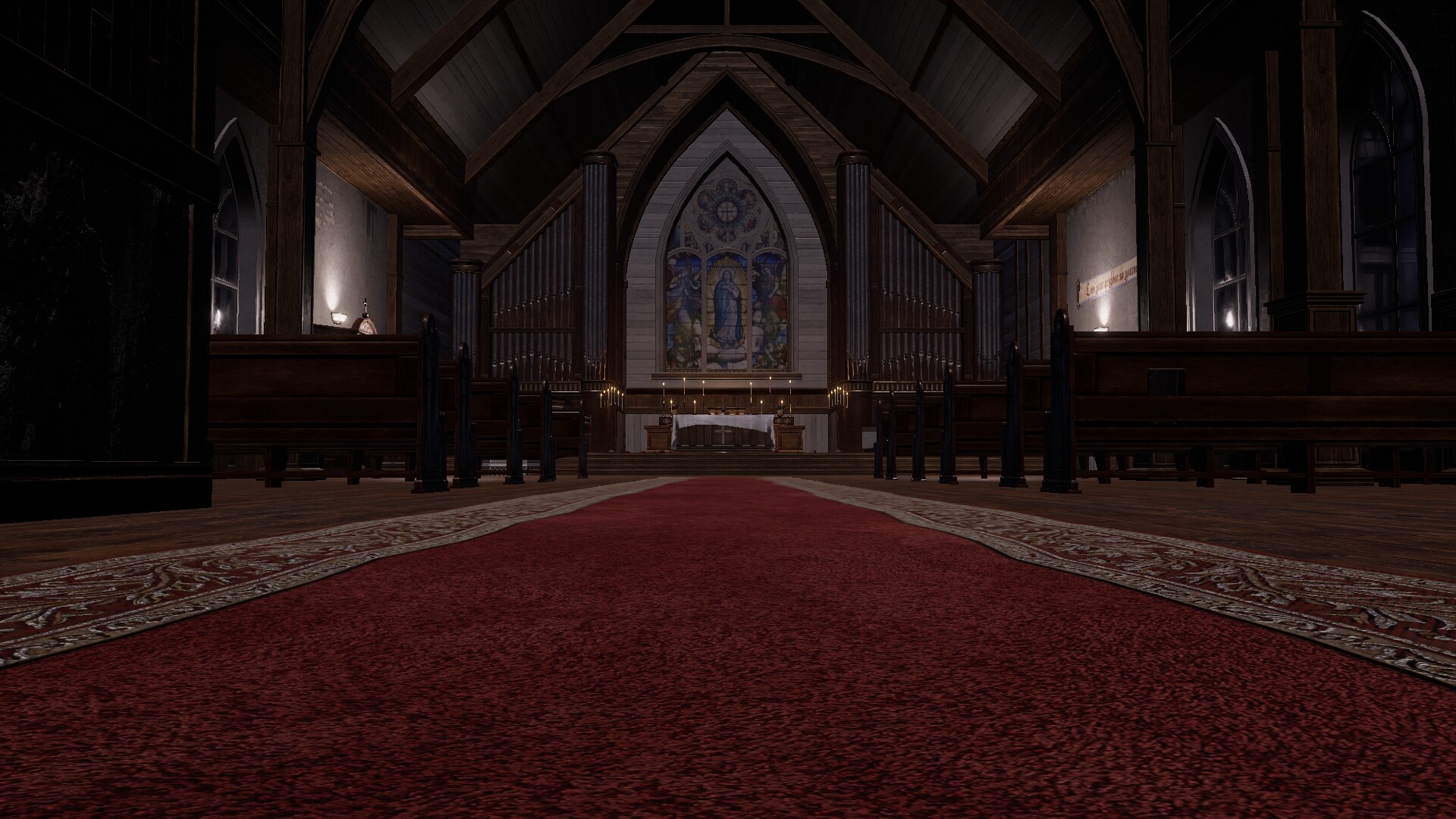
Trace of the Villa treats rooms like chapters in an investigative file. Furnishings left “mid-routine,” the absence of photographs or names, and locked doors that hide hastily secured secrets turn interiors into forensic scenes. The game’s official description highlights how restoring basic systems — electricity, safes, and secure consoles — is itself a puzzle mechanic: power restoration unblocks subsequent layers of discovery. That design ties object logic (how items relate and combine) to story puzzles (what the items reveal about who was here and why).
Compact facts — Trace of the Villa
| Title | Trace of the Villa |
|---|---|
| Release date | 28 May, 2026 |
| Developer | Steadyturtle Co., Ltd. |
| Publisher | Steadyturtle Co., Ltd. |
| Genres | Action, Adventure, Indie |
| Steam categories / features | Single-player; Color Alternatives; Custom Volume Controls; Playable without Timed Input; Subtitle Options; Family Sharing |
| Official short description | Jin has spent years searching for his missing sister, pursuing leads that took him to a remote, decaying mansion where he recovered manifests and hints that indicate his sister may still be alive, somewhere at the end of the trail he is about to follow. |
Who should wishlist Trace of the Villa — specific player scenarios
Scenario A — The investigative slow-burn player
You like story-first puzzle loops where each solved safe or decrypted manifest feels like evidence. If you prefer methodical exploration and environmental storytelling over fast action, Trace of the Villa’s erased-identity mansion will appeal.
Scenario B — The object-logic puzzler
You enjoy puzzles that emerge from interacting with believable objects and systems — restoring power, unlocking consoles, and assembling clues into a timeline. The game’s emphasis on secured systems and hidden compartments will satisfy players who enjoy making logical connections between items and documents.
Scenario C — The atmosphere-first explorer
You value mood, lighting, and interiors that tell a story. The mansion’s furnished-but-empty rooms and the sense that identities have been removed create a psychological tension that supports investigative play rather than combat-driven sequences.
How Trace of the Villa compares — editorial discovery
For context, here are nearby puzzle/mystery titles and how they stack against Trace of the Villa on lawful editorial criteria: genre, atmosphere, puzzle focus, exploration style, story tone, and pacing.
| Title | Primary puzzle focus | Atmosphere / story tone | Exploration / pacing | Player fit |
|---|---|---|---|---|
| The Room | Intricate object puzzles and mechanical safes | Mysterious, tactile, intimate | Room-by-room, puzzle-centric; deliberate pacing | Players who like focused, tactile puzzle boxes |
| The Room Two | Expanded mechanical and environmental puzzles | Cryptic, atmospheric; broader locales than a single room | Progressive exploration across linked areas | Those who want evolving puzzle complexity within a moody setting |
| Escape Simulator | Highly interactive escape-room style puzzles | Playful to tense depending on map; community-made variety | Move furniture, interact with many objects; faster, sandboxy | Players who enjoy hands-on, physics-enabled puzzle rooms and co-op |
| Unpacking | Domestic object-placement, implicit narrative through items | Zen, reflective, slice-of-life | Calm, non-urgent, vignette-style progression | Players who like narrative implied through objects rather than explicit mystery |
| hack_me | Hacker-simulator mechanics (command-line, simulation) | Technical, simulation-focused rather than atmospheric mystery | Task-oriented, simulation pace | Players looking for simulated hacking challenges, not room-based investigation |
Editorial note: these comparisons are meant to clarify fit and focus. The Room series shares a focus on object puzzles and mechanical locks; Unpacking and Trace of the Villa both use objects to tell story, but with opposite tones (reflective vs. investigative). Escape Simulator leans into tactile interactivity and speed, while hack_me occupies a different niche entirely.
Steam and trailer discovery
View Trace of the Villa on Steam: Trace of the Villa on Steam
Looking for trailer or gameplay videos? Use this YouTube search link to find discovery videos:
Leave a Reply